Fiery sunsets
Wonderful views

Let yourself be embraced by the warmth of Calabria, where every glance stirs emotion, every encounter feels like a hug, and beauty surprises you at every step.
CALABRIA
O N T H E R O A D
CALABRIA
RoadCalabria
O N T H E R O A D
Italy's most authentic region!
ROADCALABRIA
CONTACTS
EXPLORE
Ideas, itineraries and places to discover, to experience Calabria on the road
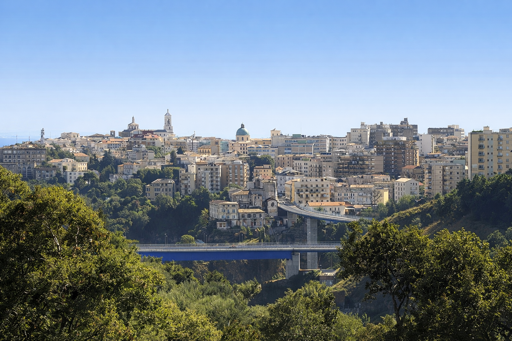
Catanzaro, city of the three hills: the panoramic window over Calabria
Follow us on Instagram
Home
Itineraries
info@roadcalabria.it
Villages
What you’re looking for
CALABRIA
O N T H E R O A D
Beaches
Did you know that
Art, History, Culture
Useful Links
The capital of Calabria, a city that blends history, culture, spirituality and breathtaking landscapes
National Parks
Write to us
Trekking
Some of the images on RoadCalabria come from the 'Calabria Straordinaria' portal of the Calabria Region and are used under a CC-BY license
© 2026 RoadCalabria
Catanzaro, the capital of Calabria, is a city that combines history, spirituality, and breathtaking landscapes. Its origins date back to the Byzantine era, around the 10th century, when it was fortified to protect the Ionian coasts from Saracen raids. Since then, perched on its hills, it has managed to grow and transform without ever losing its connection to its roots.
The city rises in the so-called Isthmus of Catanzaro, the narrowest point of the Italian peninsula, where the Tyrrhenian Sea is only 35 km from the Ionian Sea. This place is also famous for giving the current name to the Italian peninsula. In fact, the origin of the term Italy comes from here, because the Greeks used this name for the current territory which, according to mythology, was once ruled by King Italo.
Today Catanzaro is known as the “City of the Three Vs”: wind, which blows constantly among its three hills; velvet, for the historic art of silk that made it famous throughout Europe; Vitaliano, the patron saint, to whom the citizens dedicate solemn celebrations every year in a climate of deep devotion and community.
Catanzaro is also known as the "City of the Three Hills" for its strategic position on a hill called Trivonà, which in Greek means "three hills." This geographical conformation favored the development of the city since the Byzantine era, when the inhabitants took refuge on these hills to protect themselves from Saracen raids. The three hills are: San Trifone (now San Rocco), Del Vescovato (now Piazza Duomo), and Del Castello (now San Giovanni). This layout has influenced the city's urban planning, with the historic center developing along these heights, creating a unique urban landscape and breathtaking views
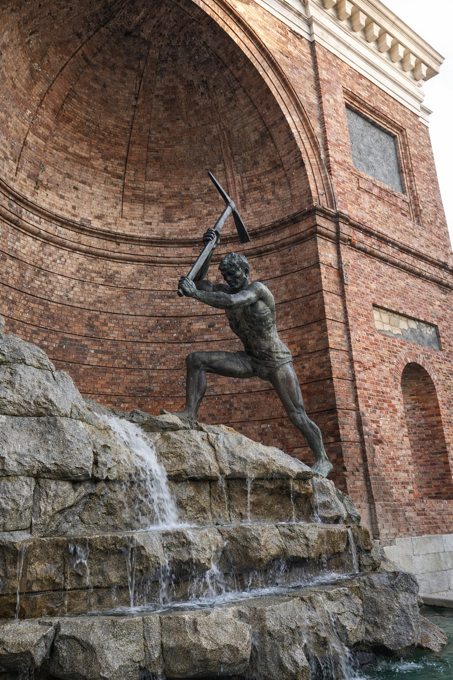
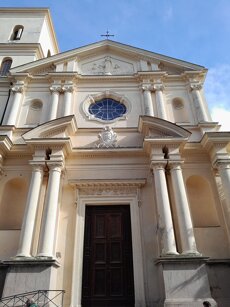
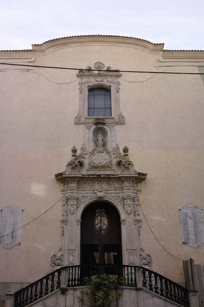
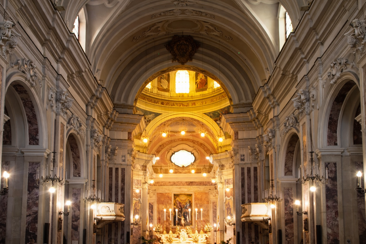
The historic center is a maze of alleys, squares, and palaces that tell centuries of life. Among the most significant places is the Cathedral, rebuilt after the war, and the Monumental Complex of San Giovanni, now a cultural space for exhibitions and events, next to the evocative Church of San Giovanni, which preserves an atmosphere of intense spirituality.
Also of great value is the Basilica of the Immaculate, one of the city's main religious landmarks, and the small but very ancient Chapel of Sant’Omobono, among the oldest places of worship in Calabria. Added to these is the unique Church of Monte dei Morti e della Misericordia, characterized by strong symbolism and a charm that evokes distant memories.
Strolling through the streets of the center, you will also encounter elegant noble buildings and the splendid Villa Margherita, a nineteenth-century garden that offers peace and a spectacular view of the Gulf of Squillace. And beneath the city streets lie the undergrounds, mysterious and fascinating spaces that tell silent stories of past eras.
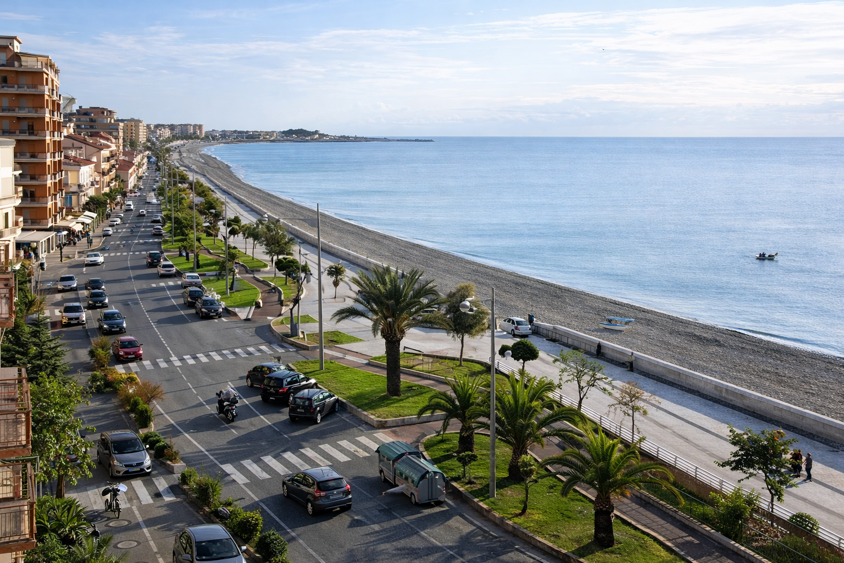
Catanzaro is not just a hill town: the Catanzaro Lido district represents its lively, seaside face. Here the Ionian Sea caresses a modern promenade, dotted with beach resorts, restaurants, and venues that enliven summer evenings. A place that combines relaxation and fun, with crystal-clear sea and unforgettable sunsets.
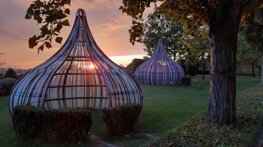
The city is also culture, with institutions such as the MARCA – Museum of Arts of Catanzaro, dedicated to modern and contemporary art, and the Brigata Catanzaro Military Historical Museum, which preserves memories of the Great War. The latter is housed within the Park of Mediterranean Biodiversity, an oasis of over 60 hectares where nature and art intertwine in harmony. Paths scented with pines and citrus accompany visitors among ponds, contemporary sculptures, and the songs of wild animals. It is a place that combines beauty, memory, and breath, giving the city a green lung with a poetic soul.
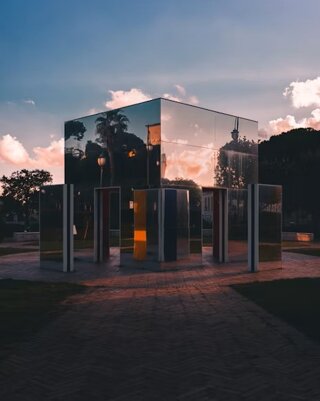
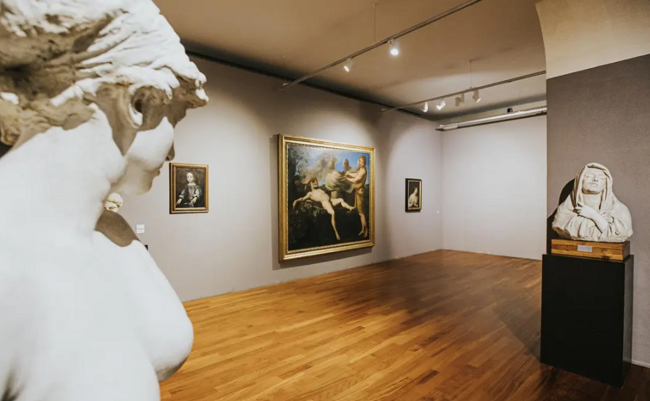
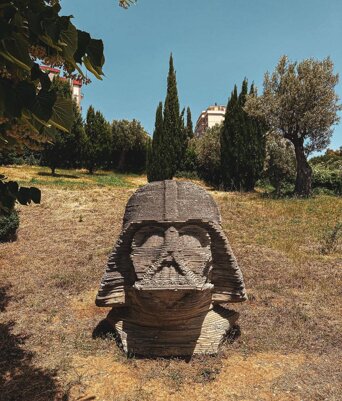
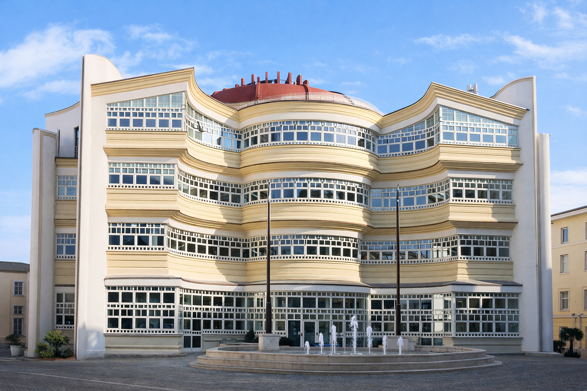
The Politeama Theatre of Catanzaro, a contemporary jewel inaugurated in 2002, designed by architect Paolo Portoghesi, is the beating heart of the city's cultural life: it hosts opera, drama, dance, symphonic concerts, and initiatives aimed at young people, embodying the idea that the theatre is a space for community, beauty, and participation.
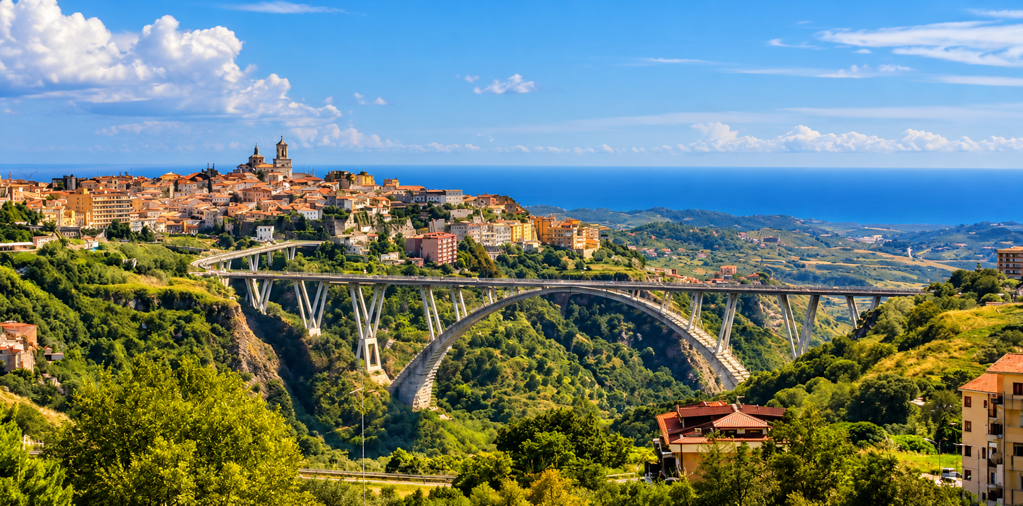
Symbolizing modernity, the Bisantis Bridge also stands tall, a masterpiece of engineering that dominates the Fiumarella valley and offers a unique panorama: from the sea to the mountains, the gaze wanders among landscapes that seem to embrace all of Calabria.
Catanzaro is a city to be discovered slowly, letting yourself be guided by the wind that crosses its hills, by the silence of its churches, by the vitality of its sea. A city that weaves together past and present, tradition and innovation, ready to welcome anyone who wants to be surprised by its authentic charm.
In the surroundings of Catanzaro…
Catanzaro is an ideal starting point for exploring some of the most fascinating destinations in Calabria, among crystal-clear seas, ancient history, and stunning natural landscapes.
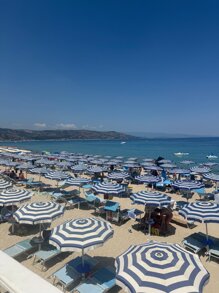
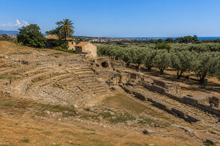
Just a few kilometers away lies Soverato, known as the Pearl of the Ionian Sea, famous for its wide beaches, clear waters, and lively seafront, perfect for moments of relaxation and leisure. Nearby, the Scolacium Archaeological Park is also worth a visit, where history and nature meet among the remains of an ancient Roman city set within a charming olive grove.
Continuing along the coast, you can reach some of the most iconic locations of the Ionian Calabria, such as Le Castella, with its spectacular Aragonese castle rising from the sea, and Capo Colonna, an area of great historical and scenic value linked to ancient Magna Graecia. A little further north lies Crotone, a city rich in history and traditions, overlooking one of the most captivating stretches of coastline in the region.
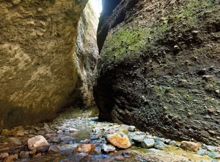
For those who prefer the inland areas, the landscape offers completely different yet equally fascinating scenery. The Valli Cupe Canyon, near Sila Piccola, is a unique place of deep gorges, waterfalls, and lush vegetation. Going further inland, you enter the heart of the Sila National Park, a plateau rich in forests, lakes, and unspoiled landscapes, ideal for hiking and relaxing moments surrounded by nature.
Finally, the villages of Tiriolo, set in a panoramic position between two seas, and Taverna, a town rich in history and traditions and known for its connection to the painter Mattia Preti, are also worth a visit.
A diverse and surprising territory, where within just a few kilometers you can move from the sea to the mountains, surrounded by nature, culture, and unforgettable views.
In the surroundings

SCOLACIUM ARCHAEOLOGICAL PARK
VALLE CUPE CANYON
MATTIA PRETI IN TAVERNA
SOVERATO
Do you want to find out how to include this destination in your trip to Calabria?
Fill out the form: I will help you for free to build the right itinerary for you.