Fiery sunsets
Wonderful views

Let yourself be embraced by the warmth of Calabria, where every glance stirs emotion, every encounter feels like a hug, and beauty surprises you at every step.
CALABRIA
O N T H E R O A D
CALABRIA
RoadCalabria
O N T H E R O A D
Italy's most authentic region!
ROADCALABRIA
CONTACTS
EXPLORE
Ideas, itineraries and places to discover, to experience Calabria on the road
Civita: what to see in the Arbëreshë village among the wonders of the Pollino
Follow us on Instagram
Home
Itineraries
info@roadcalabria.it
Villages
What you’re looking for
CALABRIA
O N T H E R O A D
Beaches
Did you know that
A journey among talking houses, alleys, Albanian traditions and the spectacular Raganello Gorges
Art, History, Culture
Useful Links
National Parks
Write to us
Trekking
Some of the images on RoadCalabria come from the 'Calabria Straordinaria' portal of the Calabria Region and are used under a CC-BY license
© 2026 RoadCalabria
There are places in Calabria that surprise with their beauty, others that charm with their history. Civita manages to do both, giving visitors an authentic experience, made of spectacular landscapes, ancient traditions and atmospheres that seem to belong to another era.
Nestled among the mountains of the Pollino National Park, this small village in the province of Cosenza is one of the most distinctive centers of northern Calabria. Here nature intertwines with a very ancient culture, the arbëreshë one, preserved and handed down by a community that has managed to keep its identity alive through the centuries.
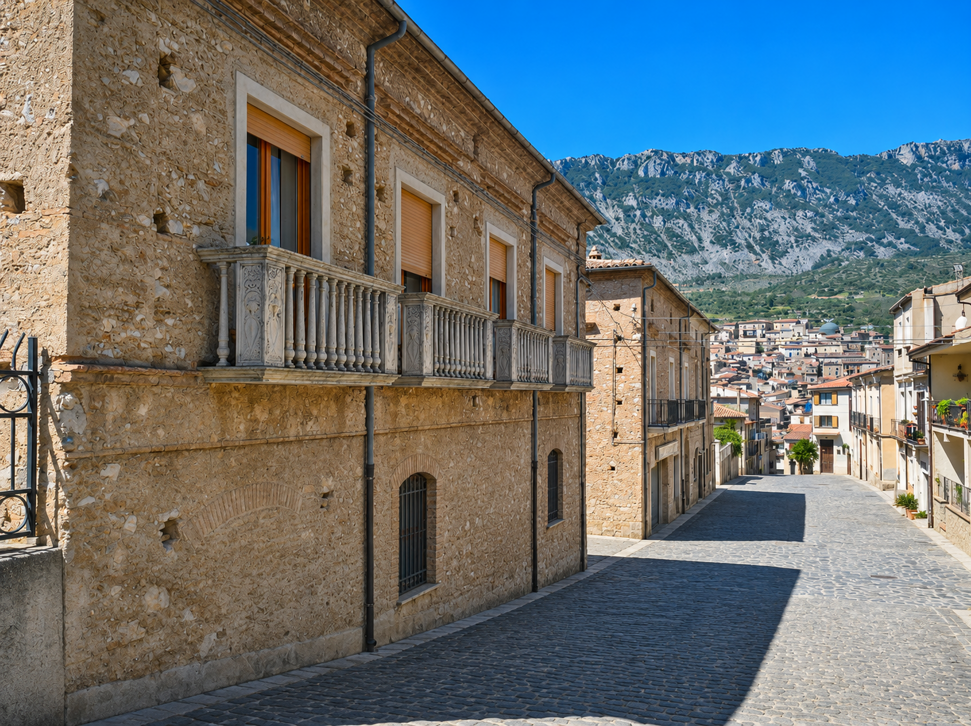
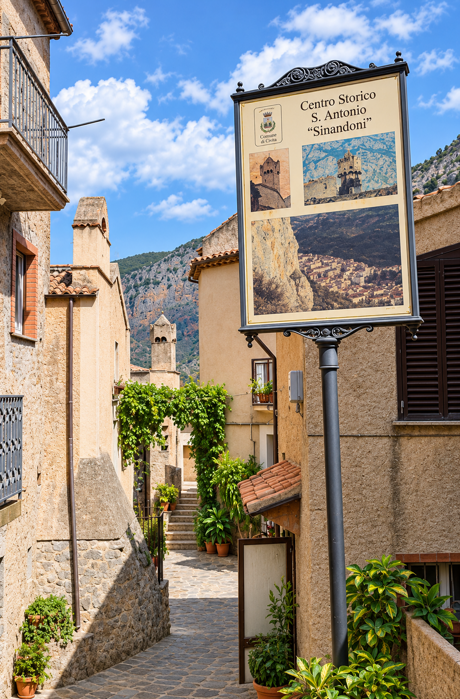
Walking through Civita means getting lost among stone alleys, discovering houses with curious shapes, observing chimneys that look like small sculptures and letting yourself be amazed by breathtaking views over the Raganello Gorges.
Included in the circuit of the Most Beautiful Villages in Italy and awarded the Orange Flag by the Italian Touring Club, Civita is an ideal destination for those who want to discover a Calabria far from mass tourism, where time flows slowly and every corner tells a story.
Where Civita is located
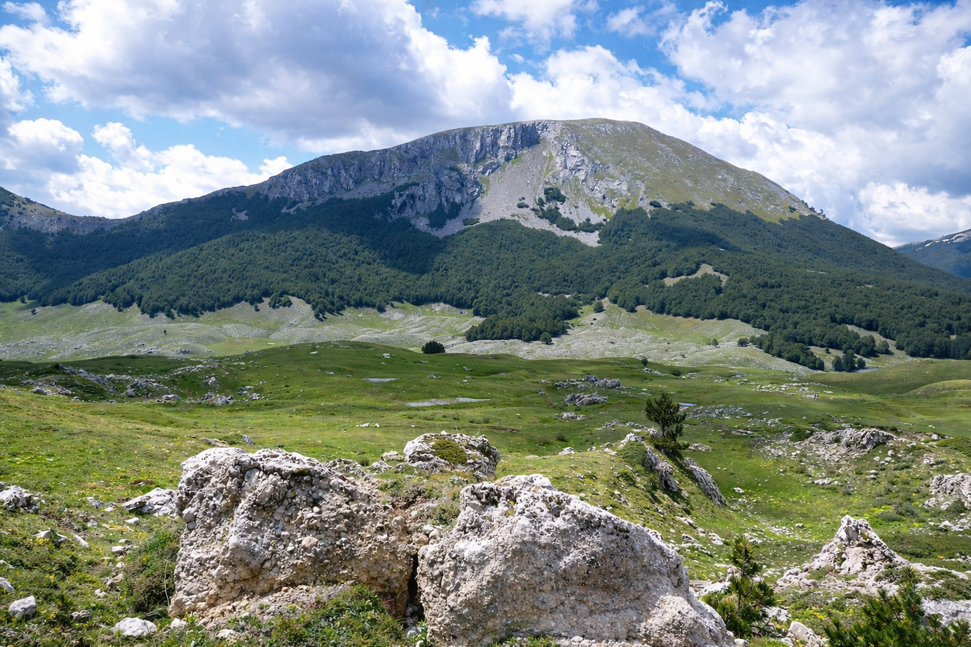
Civita is located in northern Calabria, in the province of Cosenza, about 450 meters above sea level, at the foot of the Pollino massif. The village stands in a particularly striking setting, surrounded by mountains, woods and imposing rock faces, a short distance from the famous Raganello Gorges, one of the most spectacular natural environments in the whole region.
Its location makes it a perfect destination for those who want to alternate visits to historic villages with nature outings, trekking and days exploring the Pollino National Park.
Civita is also a short distance from Castrovillari, Frascineto and the Cassano all'Ionio area, making it an excellent stop on an itinerary to discover the Upper Ionian area of Cosenza and the Calabrian hinterland.
What to see in Civita
Despite its small size, Civita offers many places of interest. Its charm lies not only in its monuments, but above all in the blend of architecture, culture and nature that defines the village.
The historic center and the distinctive talking houses
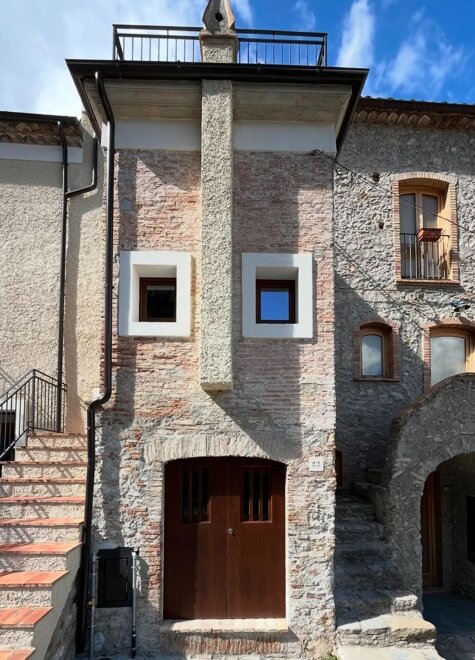
One of Civita’s most fascinating features are the so-called Talking Houses, also known as Kodra Houses, named after the Albanian artist Ibrahim Kodra. These are traditional homes whose façades seem to reproduce the features of a human face: the windows resemble eyes, the door represents the mouth, while the chimney can suggest a nose.
These curious buildings give the village an almost fairy-tale look, as if the houses were silently watching visitors as they walk through the narrow lanes.
The historic center is also characterized by the gjitonie, the traditional neighborhood clusters of Arbëreshë culture, where homes gather around small shared spaces. An urban layout that reflects the importance of community, solidarity, and relationships among families.
Strolling unhurriedly through these alleys is probably the best way to grasp Civita’s most authentic soul.
The chimneys of Civita: small works of art on the rooftops
Another feature that makes Civita truly special is the presence of many chimneys with original, imaginative shapes.
Some are simple, others elaborate and rich in decorations. Each chimney seems to have its own personality, so much so that looking at the village rooftops becomes a real hunt for architectural details.
According to popular tradition, these distinctive structures did not only serve to let smoke out of the fireplaces, but were also meant to ward off evil spirits and protect homes from bad luck.
Today they are one of the most recognizable symbols of the hamlet and bear witness to the creativity of the local craftsmen of old.
The Devil's Bridge: the symbol of Civita
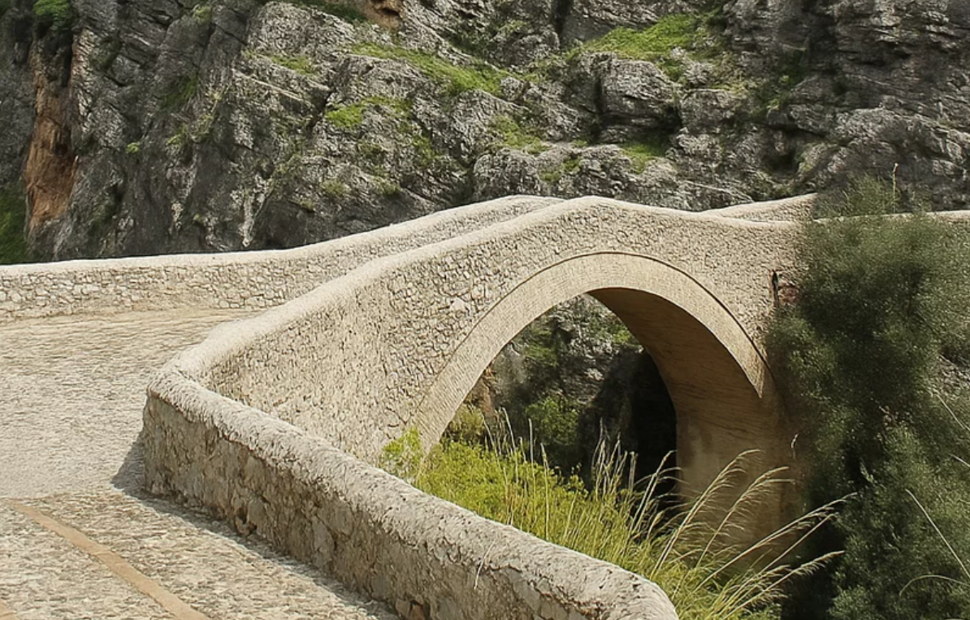
Among Civita’s most famous attractions, the Devil’s Bridge certainly stands out, one of the most striking and photographed places in the Pollino National Park. An incredible place, shrouded in nature and mystery, that stirs emotions in everyone who visits it.
This ancient stone bridge, marked by a single arch, crosses the Raganello stream linking two rocky walls that rise above the canyon. Its setting is spectacular: beneath the bridge opens a deep gorge carved by water over millennia, while all around stretches a wild landscape of rocks, vegetation and mountains.
The bridge’s name is tied to an old folk legend. It is said that, to build a crossing in such an inaccessible spot, the Devil’s help was sought, and he agreed in exchange for the soul of the first living being to cross it. According to the tale, however, the locals managed to trick him by sending a sheep across first. Beyond the story, the Devil’s Bridge is one of Civita’s most iconic images and a must-see stop during a visit.
To reach it from the village you must tackle a descent with a significant drop, to keep in mind especially for the uphill return.
The Raganello Gorges: a natural spectacle
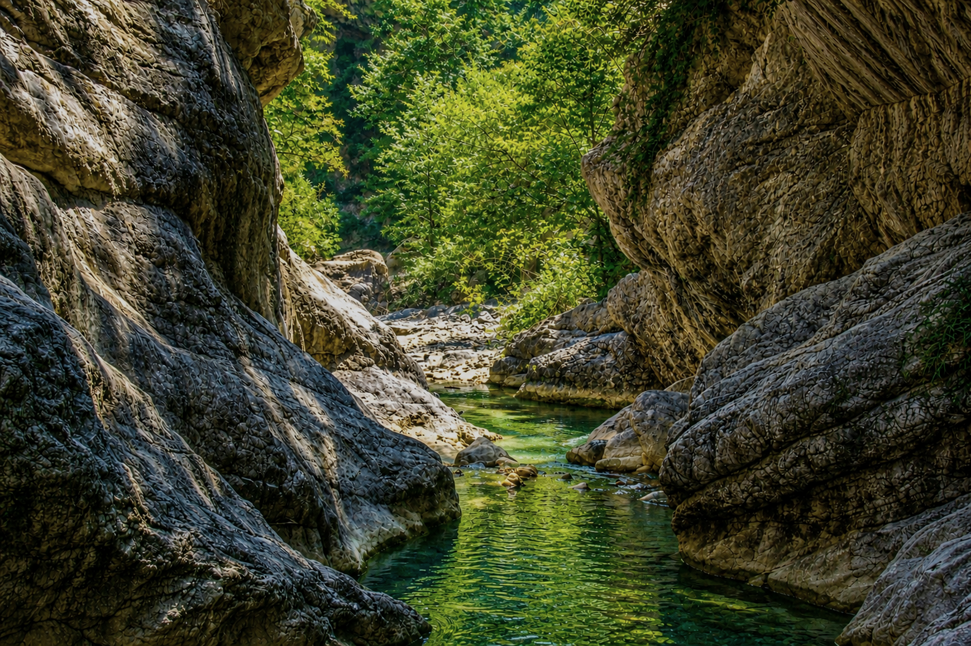
Just a few steps from the village lies one of Calabria’s most extraordinary natural treasures: the Raganello Gorges.
It is an impressive canyon system carved by the age-old action of water, marked by high rock walls, narrow passages, smoothed boulders and glimpses of rare beauty. The gorges are one of the most fascinating environments in the Pollino National Park and draw the interest of nature, photography and hiking enthusiasts. The landscape is especially striking for the contrast between the rock faces, the vegetation and the stream that runs through the valley.
It is important to remember that access inside the gorges may be subject to bans and restrictions for safety reasons. Before planning activities such as canyoning or river trekking, it is essential to check the rules in force and contact authorized guides. Even viewing the canyon from the permitted panoramic points offers unforgettable emotions.
The Arbëreshë culture
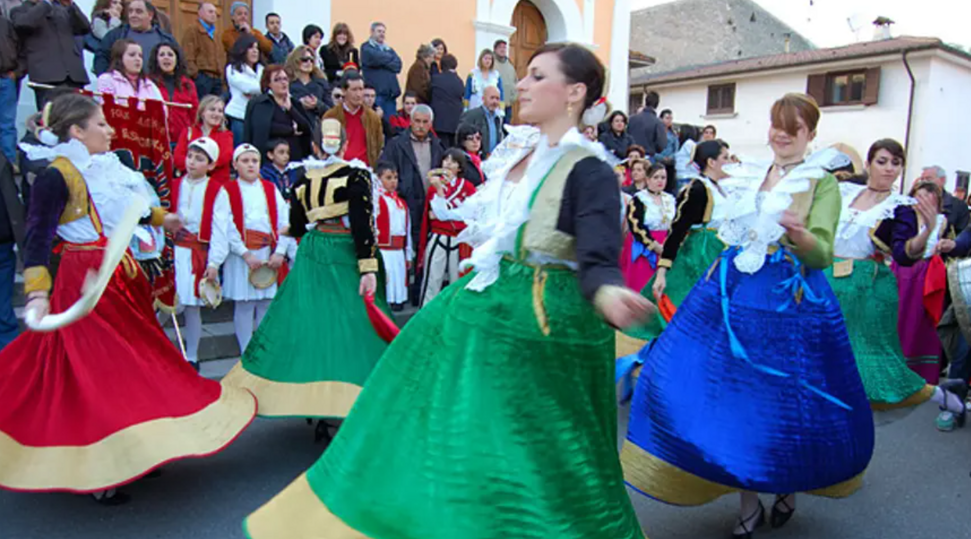
So one of the aspects that make Civita so distinctive is its strong Arbëreshë identity. The community’s history is tied to the migrations of Albanian peoples who, starting in the 15th century, reached southern Italy following the Ottoman expansion in the Balkans. These groups brought with them language, customs, religious traditions, songs and dress which, thanks to the continuity of local communities, have survived to the present day.
In Civita this heritage is still present in everyday life, in the Arbëreshë language, in religious celebrations and in folk events. Among the most characteristic expressions of the tradition are the Vallje, collective dances that represent an important moment of identity and community participation.
In the heart of the historic center stands the Church of Santa Maria Assunta, one of Civita’s most important religious buildings. The church is especially interesting because it bears witness to the deep bond of the village with the Arbëreshë religious tradition.
Inside, elements of Baroque architecture meet the Byzantine liturgical tradition, still practiced today by the local community. The presence of the iconostasis, a characteristic feature of Byzantine-rite churches, makes the building particularly evocative and different from the more common churches of Calabria. A visit makes it possible to better understand how Arbëreshë culture has preserved over time not only the language and traditions, but also a strong spiritual identity.
To truly get to know Civita and its history, the Arbëreshë Ethnic Museum is also well worth a visit, dedicated to preserving the memory and traditions of the Italo-Albanian community. The museum holds evidence of daily life, traditional clothing, objects and materials that tell the story of the origins of the Arbëreshë people and their settlement in Calabria. Particularly interesting are the traditional costumes, rich in details and decorations, which represent one of the most fascinating aspects of local culture. The museum is a recommended stop for those who wish to go beyond a simple tourist visit and understand the cultural identity of this village.
Why visit Civita
Civita is one of those places that can win you over without the need for big artificial attractions or complicated itineraries. Its beauty comes from the harmony between the natural landscape, traditional architecture, and a culture that has managed to withstand the passing of centuries.
Visiting Civita means discovering a different Calabria, made up of small villages, ancient stories, and views that amaze at every step. It is an ideal destination for those who love photography, for couples looking for romantic places, for trekking enthusiasts, and for anyone who wants to get to know the region’s lesser-known cultural heritage.
But above all, Civita is a place to visit for its authenticity: here there’s no need to rush from one attraction to another, because the real pleasure is to stroll slowly, notice the details, and let yourself be drawn in by the village atmosphere.
Do you want to find out how to include this destination in your trip to Calabria?
Fill out the form: I will help you for free to build the right itinerary for you.
In the surroundings of Civita
SIBARI ARCHAEOLOGICAL PARK
POLLINO NATIONAL PARK
MORANO CALABRO
SANT'ANGELO CAVES