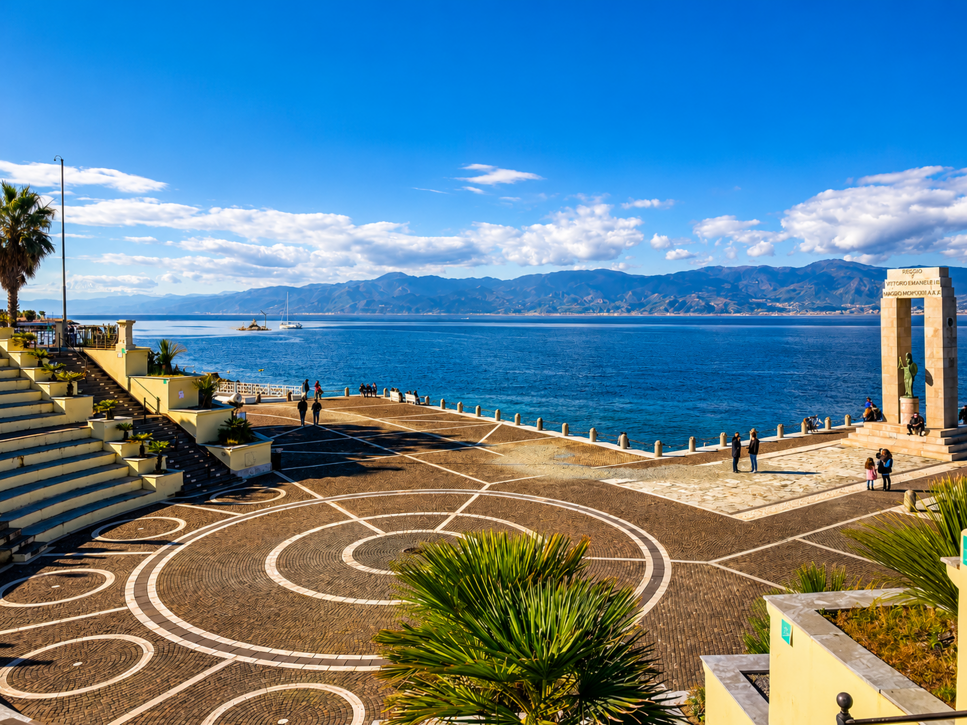
Fiery sunsets
Wonderful views

Let yourself be embraced by the warmth of Calabria, where every glance stirs emotion, every encounter feels like a hug, and beauty surprises you at every step.
CALABRIA
O N T H E R O A D
CALABRIA
RoadCalabria
O N T H E R O A D
Italy's most authentic region!
ROADCALABRIA
CONTACTS
EXPLORE
Ideas, itineraries and places to discover, to experience Calabria on the road
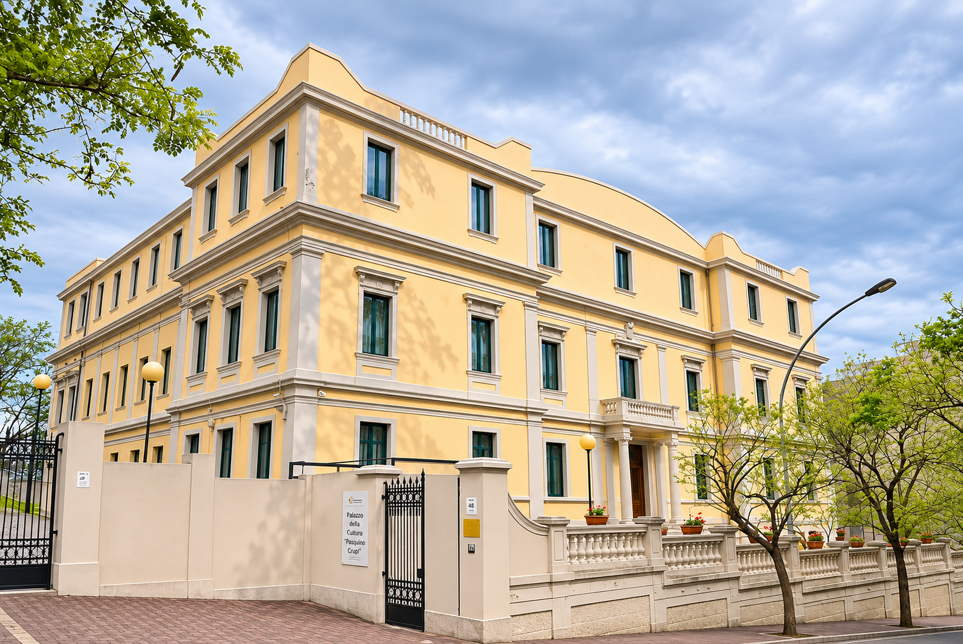
P. Crupi Palace of Culture: a journey through art, history and legality in Reggio Calabria
Follow us on Instagram
Home
Itineraries
info@roadcalabria.it
Villages
What you’re looking for
CALABRIA
O N T H E R O A D
Beaches
Did you know that
To admire masterpieces of art, memory and legality in the heart of Reggio Calabria
Art, History, Culture
Useful Links
National Parks
Write to us
Trekking
Some of the images on RoadCalabria come from the 'Calabria Straordinaria' portal of the Calabria Region and are used under a CC-BY license
© 2026 RoadCalabria
In Reggio Calabria there is a place where art tells a story that goes far beyond the beauty of the paintings. It is the “Pasquino Crupi” Palace of Culture, one of the city’s most interesting cultural hubs, guardian of a remarkable artistic heritage and key player in an important journey of civic redemption.
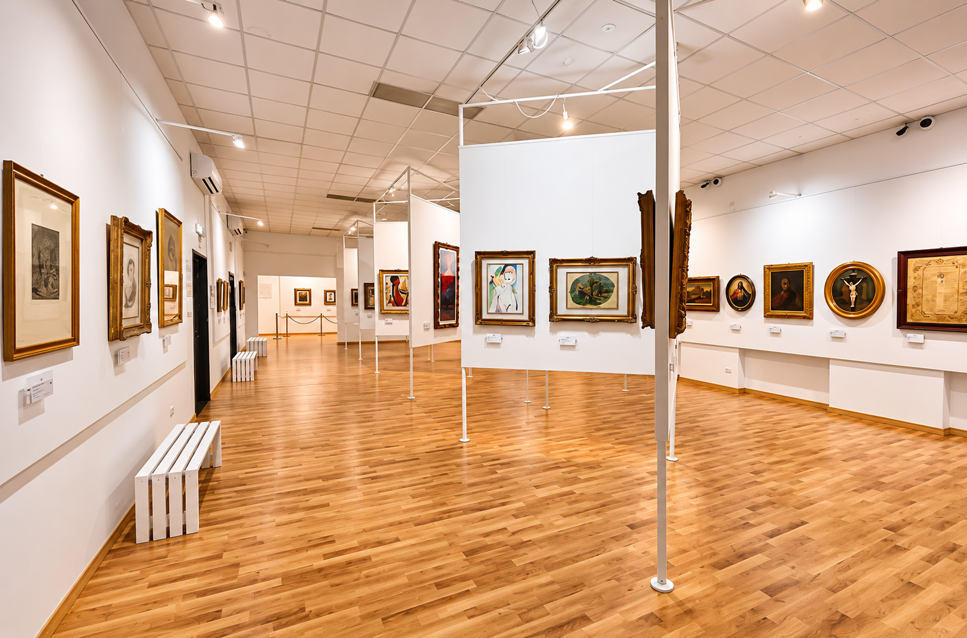
Within its rooms you’ll find great names of Italian and international art, ancient works, traces of Calabrian culture and, above all, masterpieces seized from organized crime and returned to the community.
A museum that invites you to discover a lesser-known side of Reggio Calabria, far from the busiest tourist routes, yet able to offer a cultural experience of great value.
Who was Pasquino Crupi?
The Palace of Culture is named after Pasquino Crupi, an intellectual, teacher, literary critic and scholar deeply tied to Calabria.
Crupi devoted an important part of his work to promoting southern literature and reflecting on the cultural identity of Southern Italy.
The naming of the Palace therefore represents a tribute to a figure who contributed to the knowledge and spread of Calabrian culture.
His name now accompanies an institution that preserves artworks and historical evidence, keeping alive the dialogue between memory, place and new generations.
An extraordinary art collection returned to the community
One of the most fascinating aspects of the Palazzo della Cultura is the origin of a significant part of the works kept inside it.
Many paintings in fact belonged to private collections later confiscated as part of proceedings against organized crime. Among these, the collection confiscated from Gioacchino Campolo is of particular importance, having contributed to the creation of the museum route.
Today those works, once tied to illicit assets, can be admired by citizens and visitors.
It is precisely this shift that makes the Palazzo della Cultura a special place: art becomes a shared heritage and a concrete symbol of legality.
From Giorgio de Chirico to Salvador Dalí: the great artists of the 20th century
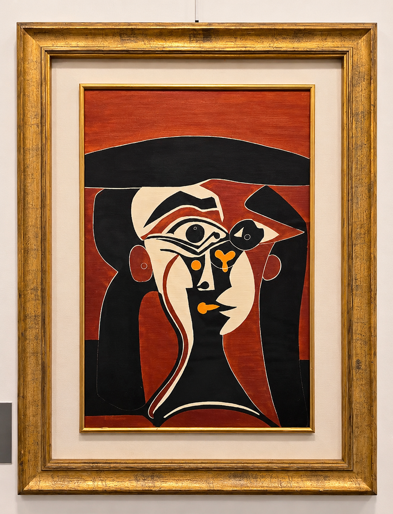
The exhibition route unfolds over three floors and includes hundreds of works from different periods and artistic movements.
Among the most important names associated with the collection are:
- Giorgio de Chirico, a leading figure of Metaphysical painting.
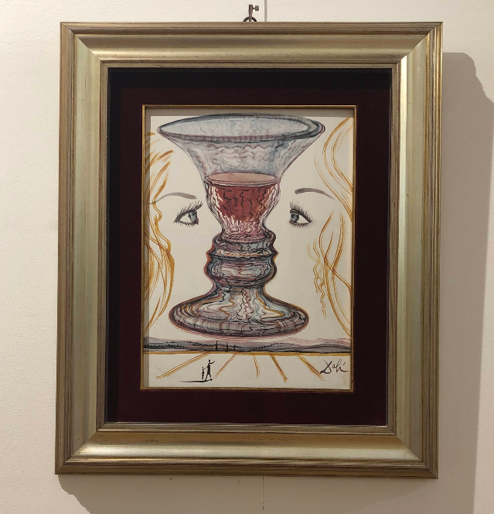
- Salvador Dalí, among the most famous exponents of Surrealism.
- Carlo Carrà, a central figure in 20th-century Italian art.
- Lucio Fontana, founder of Spatialism.
- Massimo Campigli, recognizable for his original pictorial language.
- Antonio Ligabue, an artist of extraordinary expressive power.
- Michele Cascella, known for his landscapes and chromatic sensitivity.
Alongside the great masters of the 20th century, there is also room for older paintings, artistic evidence from the area, and works linked to Calabrian production.
Some works from the seizures still have attributions under study, while others have been identified as fakes: an aspect that offers further food for thought on the history of collecting and the art market.
The Calarco Collection and Calabria’s artistic heritage
The Palace of Culture is not only a showcase for internationally renowned artists.
A significant role is also played by the Calarco Collection, linked to Senator Guglielmo Calarco, which includes works by 20th-century artists, with particular attention to Calabrian production.
Among the represented authors are Bava, Fabon and Marino.
To this heritage is added a book collection with volumes dating back to the 18th and 19th centuries, evidence of the historical and documentary value of the collections kept in the Palace.
Also particularly interesting is the presence of a historical map linked to the depiction of the Calabrian territory and to the seismic events of the 18th century.
These materials make it possible to broaden the view beyond painting, offering a journey through the history, geography and culture of Calabria.
A place where art and legality meet
The Pasquino Crupi Palace of Culture represents one of the most significant examples of how confiscated assets can be turned into resources for society.
The return of the works to the community is not only an enrichment of the museum heritage, but also takes on an important educational meaning.
This message was further enhanced through initiatives such as “SalvArti – From seizures to public collections”, an exhibition project that in 2025 brought to Reggio Calabria works by artists such as Andy Warhol, Mario Schifano, Robert Rauschenberg and Christo, as well as other leading figures of contemporary art.
The Palace thus becomes a place where artistic beauty goes hand in hand with a reflection on the value of legality and on the possibility of giving back to the community what was taken from it.
Why visit the Pasquino Crupi Palace of Culture
Visiting this museum means discovering an artistic heritage that amazes for its variety and importance, but also learning a story deeply tied to the Calabrian reality.
It is a recommended stop for art lovers, for those who wish to explore the area’s contemporary history, and for travelers looking for lesser-known places.
The visit can also be included in a cultural itinerary to discover Reggio Calabria, together with the National Archaeological Museum, the Civic Art Gallery and the other points of interest in the city center.
The Palazzo della Cultura shows that Reggio Calabria is not only the city of the Riace Bronzes and the evocative Lungomare Falcomatà, but also preserves a modern and contemporary artistic heritage that deserves to be known.
Discover this itinerary!