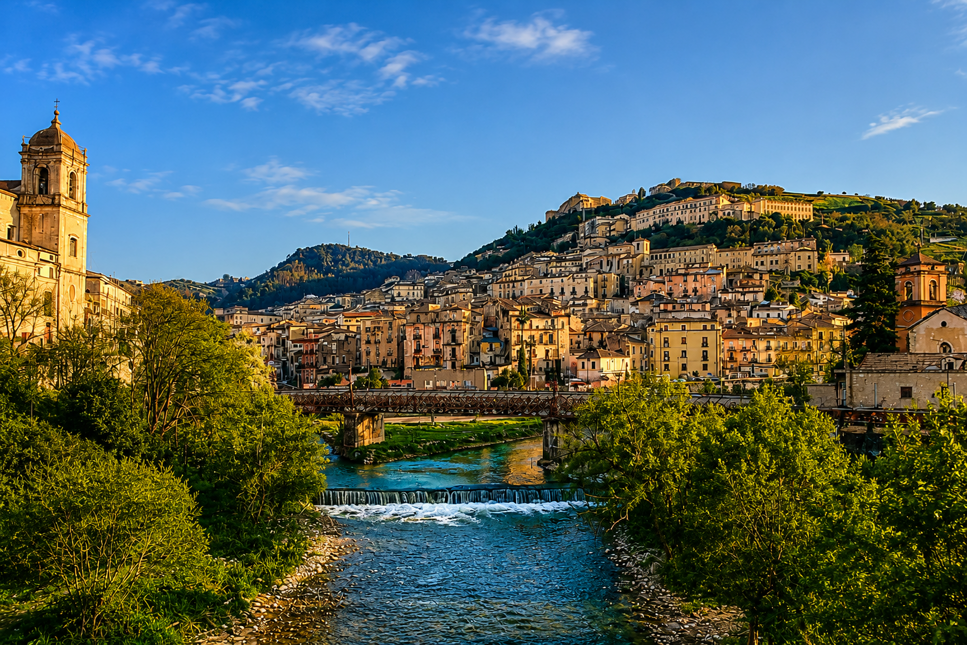
Fiery sunsets
Wonderful views

Let yourself be embraced by the warmth of Calabria, where every glance stirs emotion, every encounter feels like a hug, and beauty surprises you at every step.
CALABRIA
O N T H E R O A D
CALABRIA
RoadCalabria
O N T H E R O A D
Italy's most authentic region!
ROADCALABRIA
CONTACTS
EXPLORE
Ideas, itineraries and places to discover, to experience Calabria on the road
The National Gallery of Cosenza: a journey through art in the heart of the old city
Follow us on Instagram
Home
Itineraries
info@roadcalabria.it
Villages
What you’re looking for
CALABRIA
O N T H E R O A D
Beaches
Did you know that
Not just a museum, but a journey through the beauty, creativity and history of Italian art
Art, History, Culture
Useful Links
National Parks
Write to us
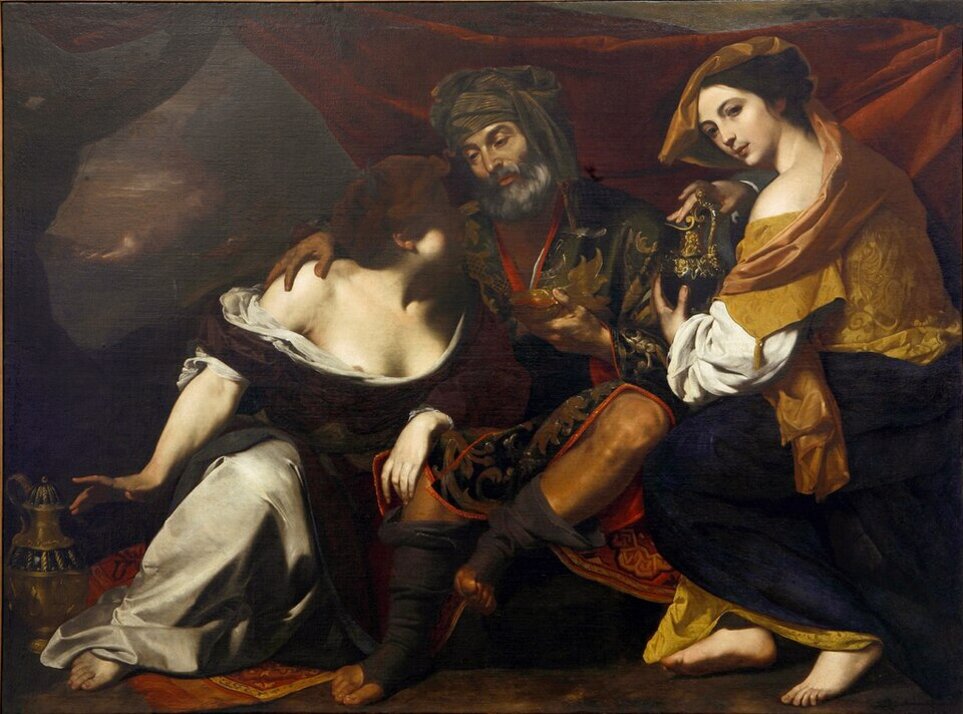
Trekking
Some of the images on RoadCalabria come from the 'Calabria Straordinaria' portal of the Calabria Region and are used under a CC-BY license
© 2026 RoadCalabria
Cosenza is a city full of surprises. Among medieval streets, noble palaces and picturesque corners that tell centuries of history, it is home to one of Calabria’s most fascinating cultural attractions: the National Gallery of Cosenza. It is not just a museum, but a journey through beauty, creativity and the history of Italian art. A place where every room invites visitors to slow down, take a closer look and be captivated by artworks spanning different periods, styles and artistic expressions.
For those who love exploring Calabria beyond its beaches and beautiful landscapes, this gallery is an unmissable destination.
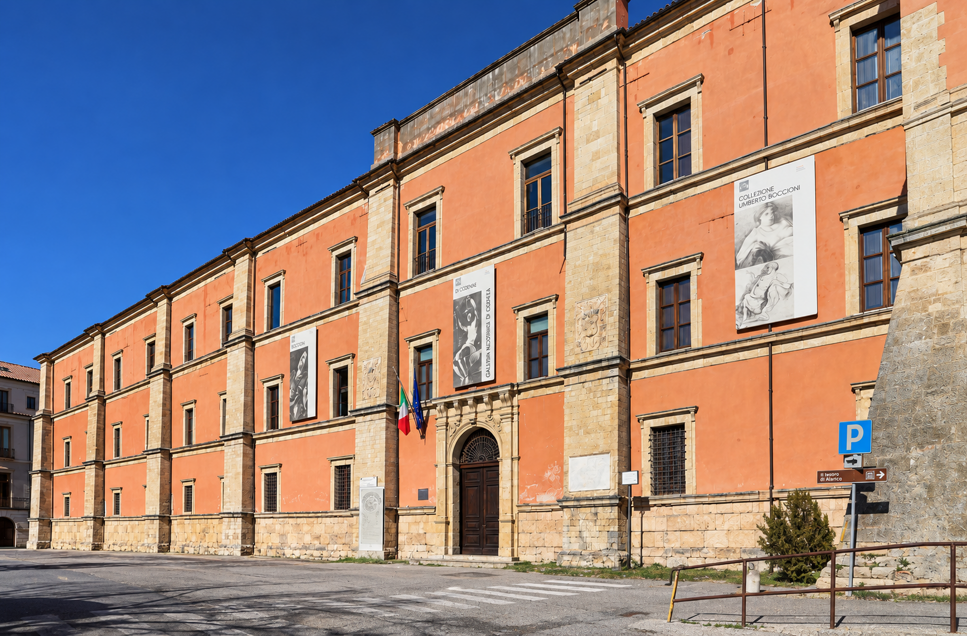
Palazzo Arnone: five centuries of history
The National Gallery of Cosenza is housed in the magnificent Palazzo Arnone, an imposing 16th-century building overlooking the historic centre from the top of Colle Triglio.
The history of the palace dates back to the early 16th century, when it was built as the residence of the Arnone family. In 1558, it was purchased by the Royal Treasury and became the seat of the Royal Court and the administrative headquarters of Calabria Citeriore, making it one of the region’s main centres of political and administrative power.
Today, those same walls preserve an artistic heritage of extraordinary importance, transforming an ancient symbol of power into a space dedicated to culture and beauty.
Visiting Palazzo Arnone therefore means enjoying two experiences in one: admiring the artworks of the National Gallery and discovering one of Cosenza’s most remarkable historic buildings.
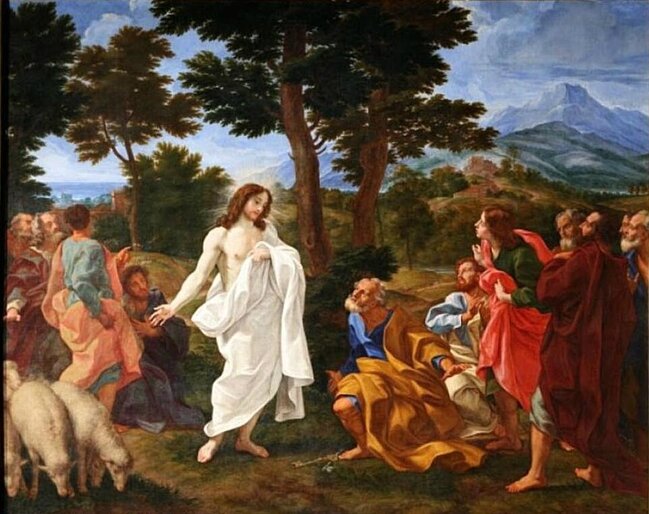
The great masters of art: from Mattia Preti to Luca Giordano
The exhibition at the National Gallery of Cosenza takes visitors through some of the most significant periods of Italian painting, with particular attention to the artistic traditions of southern Italy.
Among the leading figures is Mattia Preti, the famous Calabrian painter born in Taverna, known as the Cavalier Calabrese.
His works reveal the expressive power of the Baroque, through dramatic contrasts of light and shadow, monumental figures and emotionally charged compositions.
Alongside him is Luca Giordano, one of the most important representatives of 17th-century Neapolitan painting, renowned for creating dynamic and spectacular scenes.
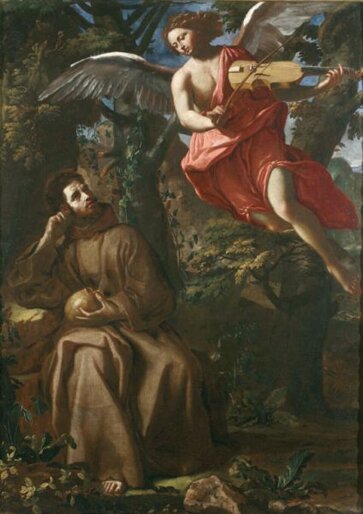
Another prominent artist is José de Ribera, known as Spagnoletto, one of the leading painters associated with the Neapolitan Caravaggesque movement.
The Gallery also preserves works by artists such as Pietro Negroni, Marco Cardisco and Francesco Cozza, reflecting an artistic period in which Calabria maintained close connections with Naples and Italy’s major cultural centres.
It is precisely this dialogue between Calabrian artists and the great masters of Italian painting that makes the visit particularly fascinating.
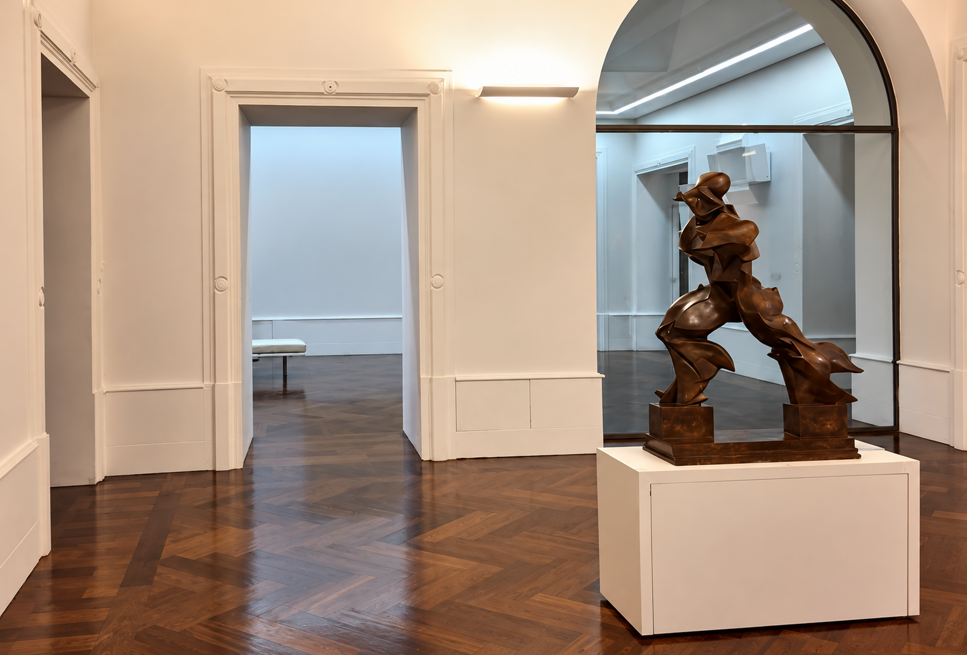
Umberto Boccioni: Calabria meets Futurism
One of the most fascinating sections of the Gallery is dedicated to Umberto Boccioni, born in Reggio Calabria in 1882 and destined to become one of the leading figures of Italian Futurism.
The collection includes graphic works, drawings and studies that allow visitors to trace Boccioni’s artistic evolution from 1906 to 1915.
This journey reveals the transformation of his artistic language, from his early figurative experiments to his Futurist exploration of movement, speed and modernity.
Particularly interesting are the preparatory studies for The Laugh, a famous painting now housed at the Museum of Modern Art in New York.
This section offers a valuable opportunity to discover an artist who revolutionised 20th-century art and maintained an important connection with Calabria, the region where he was born.
From modern art to contemporary
The National Gallery of Cosenza is not limited to the great masters of the past.
The exhibition continues through modern and contemporary art, offering an insight into the evolution of artistic expression from the 20th century to the present day.
The collections include works by artists such as Giorgio de Chirico, Emilio Greco, Antonietta Raphaël, Pietro Consagra and Mimmo Rotella.
Special attention is also given to artists connected to Calabria, including Cesare Berlingeri, Giulio Telarico and Alfredo Pirri.
The Gallery’s artistic heritage is further enriched by the Intesa Sanpaolo Collection, on long-term loan, which brings together artworks dating from the 15th to the 20th century.
This variety makes the Gallery a museum that appeals to different audiences, from lovers of classical painting to those fascinated by the experimentation of contemporary art.
A museum to discover while strolling through ancient Cosenza
One of the most enjoyable aspects of visiting the National Gallery is the historic setting in which it is located.
Palazzo Arnone stands in the historic heart of Cosenza, a city that preserves a fascinating architectural and cultural heritage.
Reaching the museum can become an opportunity to explore the narrow streets of the old town, admire its elegant historic palaces and soak up the atmosphere of one of Calabria’s most historically rich cities.
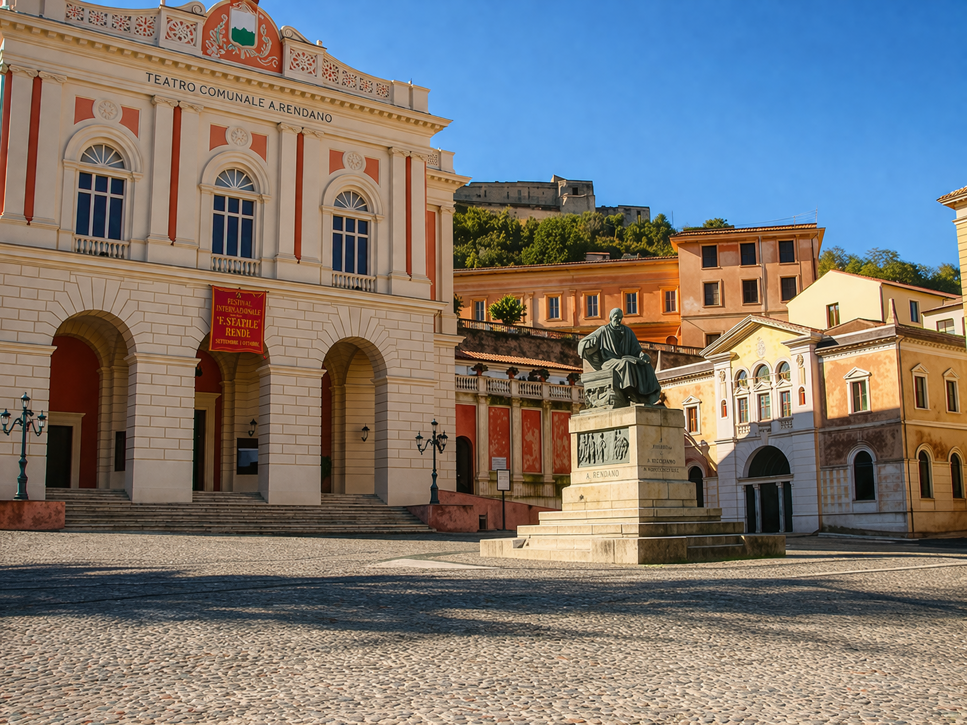
After your visit, it is worth continuing to explore some of the city’s most iconic landmarks, such as the Cathedral, the Alfonso Rendano Theatre and the picturesque corners of the historic centre.
It is an ideal itinerary for spending a day surrounded by art, history and culture, discovering a side of Cosenza that deserves to be explored at a leisurely pace.
Discover this itinerary!