Fiery sunsets
Wonderful views

Let yourself be embraced by the warmth of Calabria, where every glance stirs emotion, every encounter feels like a hug, and beauty surprises you at every step.
CALABRIA
O N T H E R O A D
CALABRIA
RoadCalabria
O N T H E R O A D
Italy's most authentic region!
ROADCALABRIA
CONTACTS
EXPLORE
Ideas, itineraries and places to discover, to experience Calabria on the road
Coast of the Gods: what to see among dream beaches, villages, sunsets and Calabrian flavors
Follow us on Instagram
Home
Itineraries
info@roadcalabria.it
Villages
What you’re looking for
CALABRIA
O N T H E R O A D
Beaches
Did you know that
Art, History, Culture
Useful Links
A place named after mythology, a place of extraordinary beauty in the deep south of Italy
National Parks
Write to us
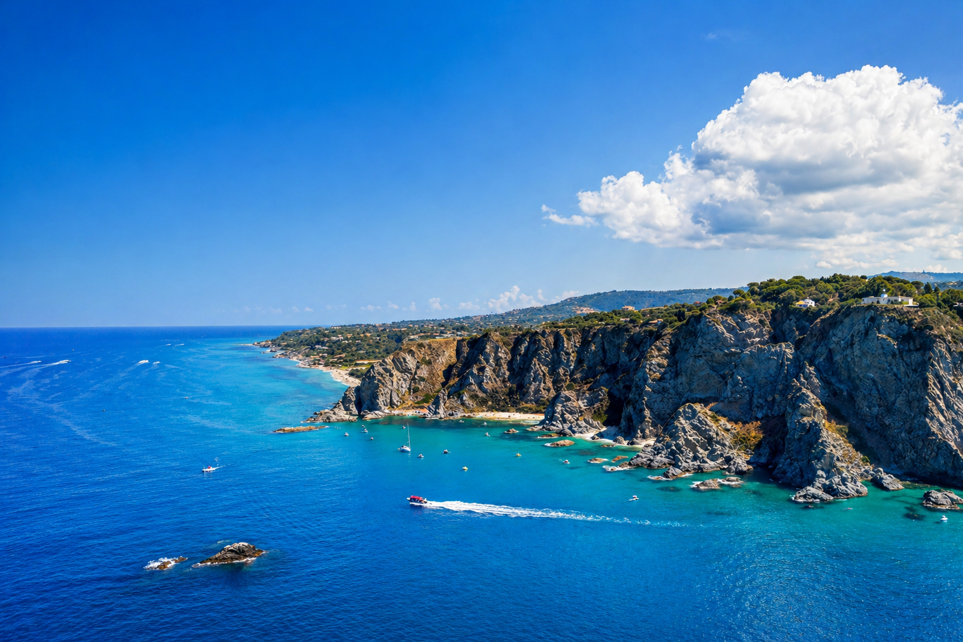
Trekking
Some of the images on RoadCalabria come from the 'Calabria Straordinaria' portal of the Calabria Region and are used under a CC-BY license
© 2026 RoadCalabria
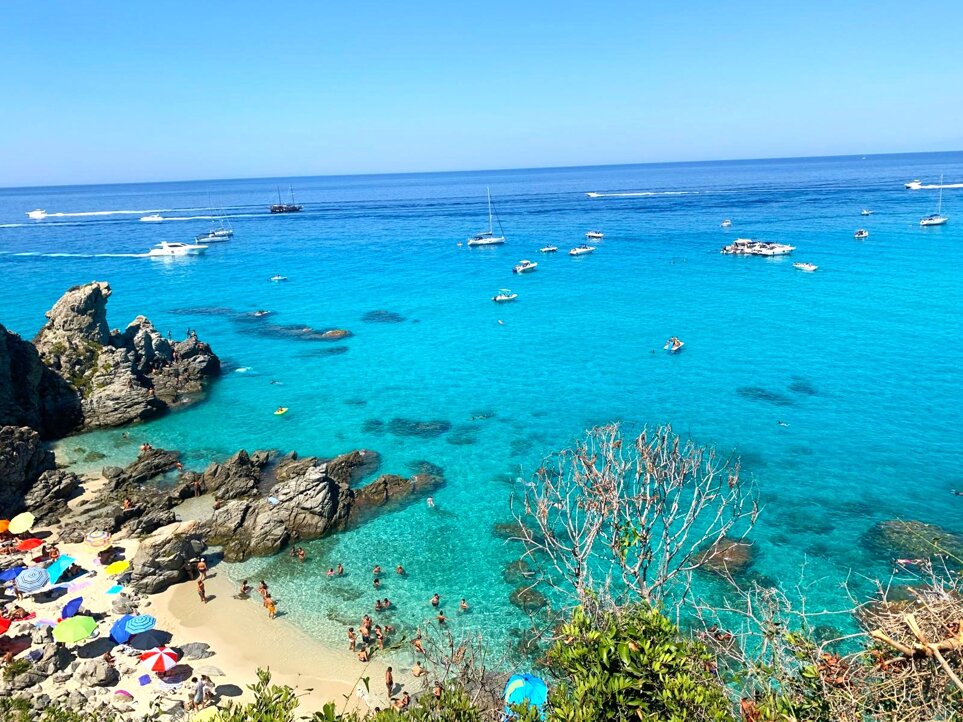
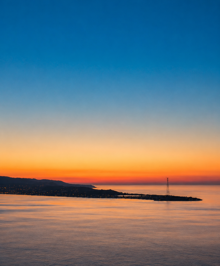
Sea with turquoise hues, beaches of pale sand hidden among the cliffs, small villages overlooking the Tyrrhenian Sea and sunsets where, on the clearest days, your gaze reaches as far as the Aeolian Islands. The Coast of the Gods is one of Calabria’s most spectacular areas and one of the ideal destinations for those who want to combine sea, nature, culture and food & wine.
Tropea and Capo Vaticano are certainly its best-known places, but limiting yourself to these two destinations would mean discovering only part of this area. Just travel a few kilometres to go from beaches to the countryside of Monte Poro, from inland trattorias to vineyards, from small rural towns to archaeological sites.
It is precisely this variety that makes a holiday on the Coast of the Gods special: in the morning you can swim in a cove with crystal-clear water, in the afternoon stroll through the alleys of a village and in the evening head inland for a dinner based on typical Calabrian products.
A place whose name has its roots in mythology. According to the legends linked to the ancient Greek polis of Hipponion (today’s Vibo Valentia), the deities of Olympus chose this coastline as their home or resting place because of the perfection of the view. On one side Tropea, according to mythology one of the ports of the hero Hercules, on the other Capo Vaticano whose headland takes its name from the prophecies of the oracle of the seer Manto.
A place of mythology, a place of extraordinary beauty.
Where the Coast of the Gods is located
The Coast of the Gods lies on the Tyrrhenian coast of the province of Vibo Valentia, in central-southern Calabria.
It is that stretch of coastline marked by a constant alternation of long beaches, small coves, headlands, cliffs and natural terraces overlooking the sea, with the countryside and the slopes of Monte Poro behind. The scenery changes continuously and in many spots the coast offers an extraordinary view of the Aeolian Islands.
Traditionally it is identified between Pizzo and Nicotera, including some of Calabria’s best-known seaside resorts.
Among the main towns and areas it crosses are Pizzo, Vibo Valentia with Vibo Marina, Briatico, Zambrone, Parghelia, Tropea, Ricadi and Nicotera, as well as the small villages just inland that round out the Coast of the Gods experience.
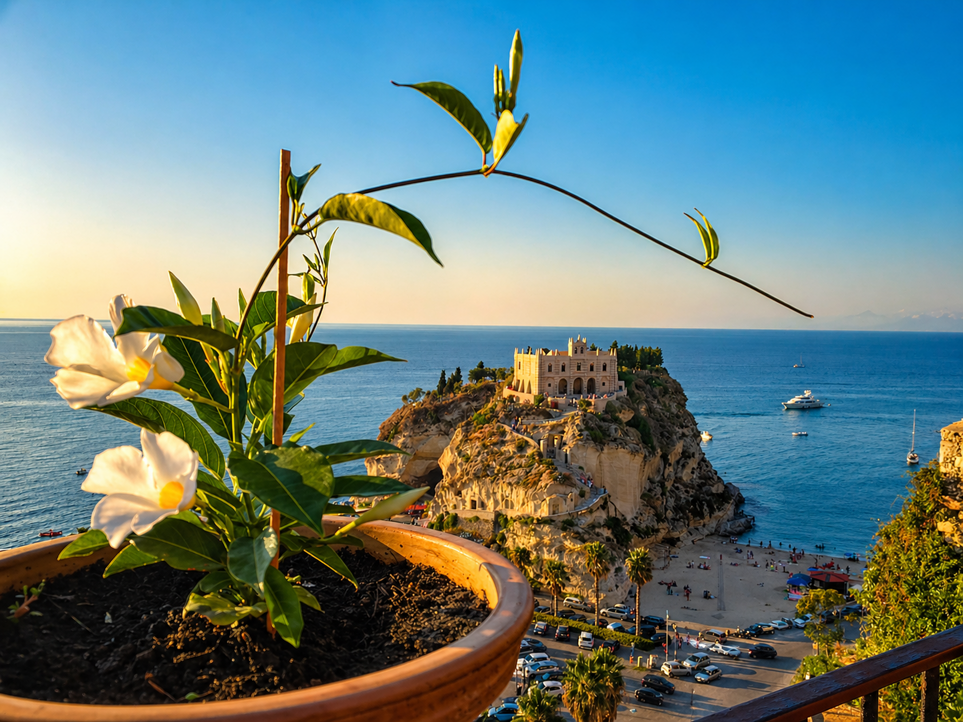
The main villages and places of the Coast of the Gods
Pizzo is a splendid northern gateway to the Coast of the Gods. Its historic center unfolds around Piazza della Repubblica and its alleys, balconies and sea-view terraces. Not to be missed is the Murat Castle, linked to the last days of Joachim Murat, and the distinctive Little Church of Piedigrotta, carved into the rock just a few steps from the sea. And of course a visit to Pizzo can’t end without tasting the famous Tartufo.
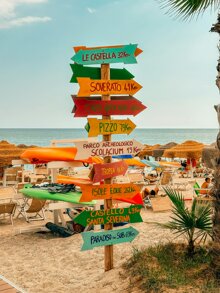
Continuing south you come to Briatico and Zambrone. Here the atmosphere becomes quieter and the absolute star is the sea. Zambrone preserves one of the most photographed spots in the area, the Paradise for Divers, a small bay marked by crystal-clear water, rocks and seabeds perfect for snorkeling.
A little further on we find Parghelia, a small town at the gates of Tropea. Its coastline is surprising and includes some especially charming coves, among them the famous Michelino Beach, reachable via a scenic staircase
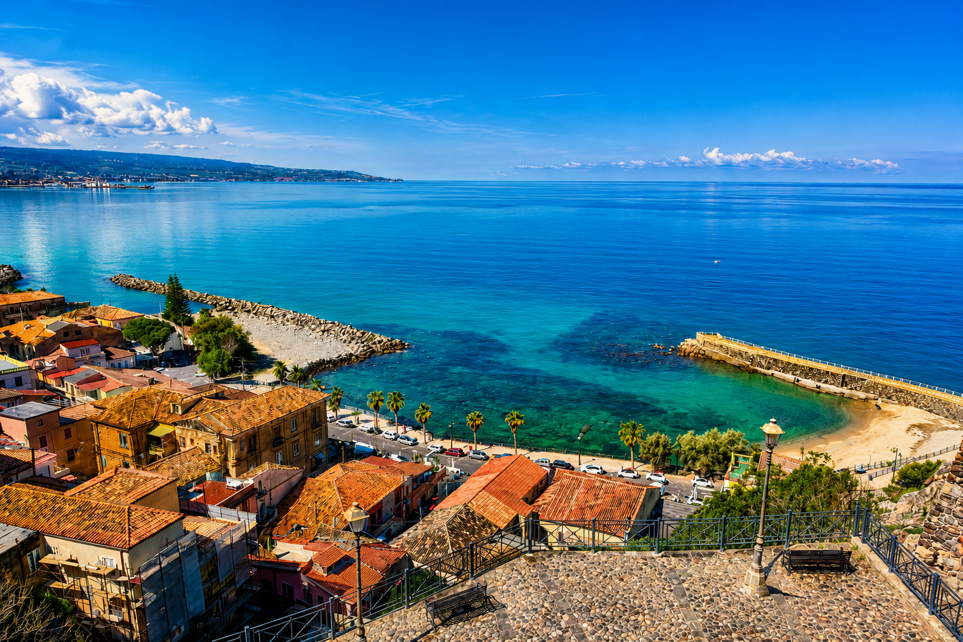
Then comes Tropea, the undisputed symbol of the Coast of the Gods, the pearl of the Tyrrhenian.
The historic center, built on the cliff, overlooks one of the most beautiful stretches of sea in Calabria. Walking through its alleys means coming across noble palaces, small squares, shops, restaurants and sudden views over the Tyrrhenian. Below the cliff are the town beaches and, above all, the unmistakable Sanctuary of Santa Maria dell'Isola, built on the promontory that by now is one of Calabria’s iconic images.
Continuing south you enter the area of Ricadi, where Capo Vaticano is located. Here the coast becomes even more spectacular: granite headlands, Mediterranean scrub, coves and a sea that on sunny days takes on shades ranging from emerald green to deep blue.
From the Capo Vaticano viewpoint you can admire one of the finest panoramas of the entire Calabrian Tyrrhenian coast.
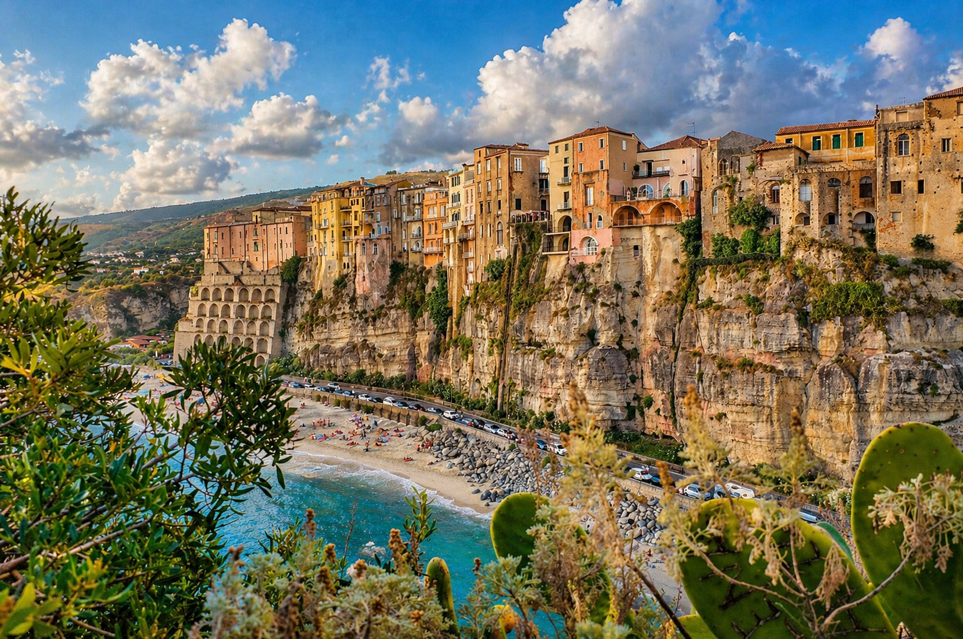
The most beautiful beaches of the Coast of the Gods
The sea is certainly one of the main reasons to choose this area.
The Coast of the Gods alternates wide, easy-to-reach beaches with small hidden coves, some accessible via trails or directly from the sea.
Among the must-sees are certainly the Paradiso del Sub in Zambrone, Michelino in Parghelia, the beaches of Rotonda and Marina dell'Isola in Tropea, the Baia di Riaci, Grotticelle in Capo Vaticano, Praia i Focu and the many small bays scattered along the Ricadi headland. Also check this page for the most beautiful ones.
Those who love snorkeling will find many rocky seabeds and extremely clear waters, while those traveling with children can choose the wider, well-equipped beaches.
Beyond the sea
One of the most common mistakes is to consider the Coast of the Gods solely a seaside destination.
In fact, you only need to move a few kilometers away from the sea to find a completely different Calabria.
Behind Tropea, in fact, stretch the countryside of Monte Poro, crossed by back roads, small villages and farms.
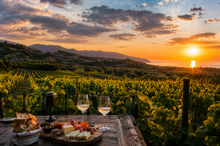
An interesting detour is Brattirò, a hamlet of Drapia, set in the countryside above Tropea. This area is ideal for those who want to pause beach life for a few hours and treat themselves to a lunch at a farm stay, a dinner in a trattoria or an aperitif among vineyards and countryside, tasting local products.
It’s an experience we’d recommend especially at sunset: in just a few minutes you go from the touristy vibe of the coast to the calm of the Calabrian countryside.
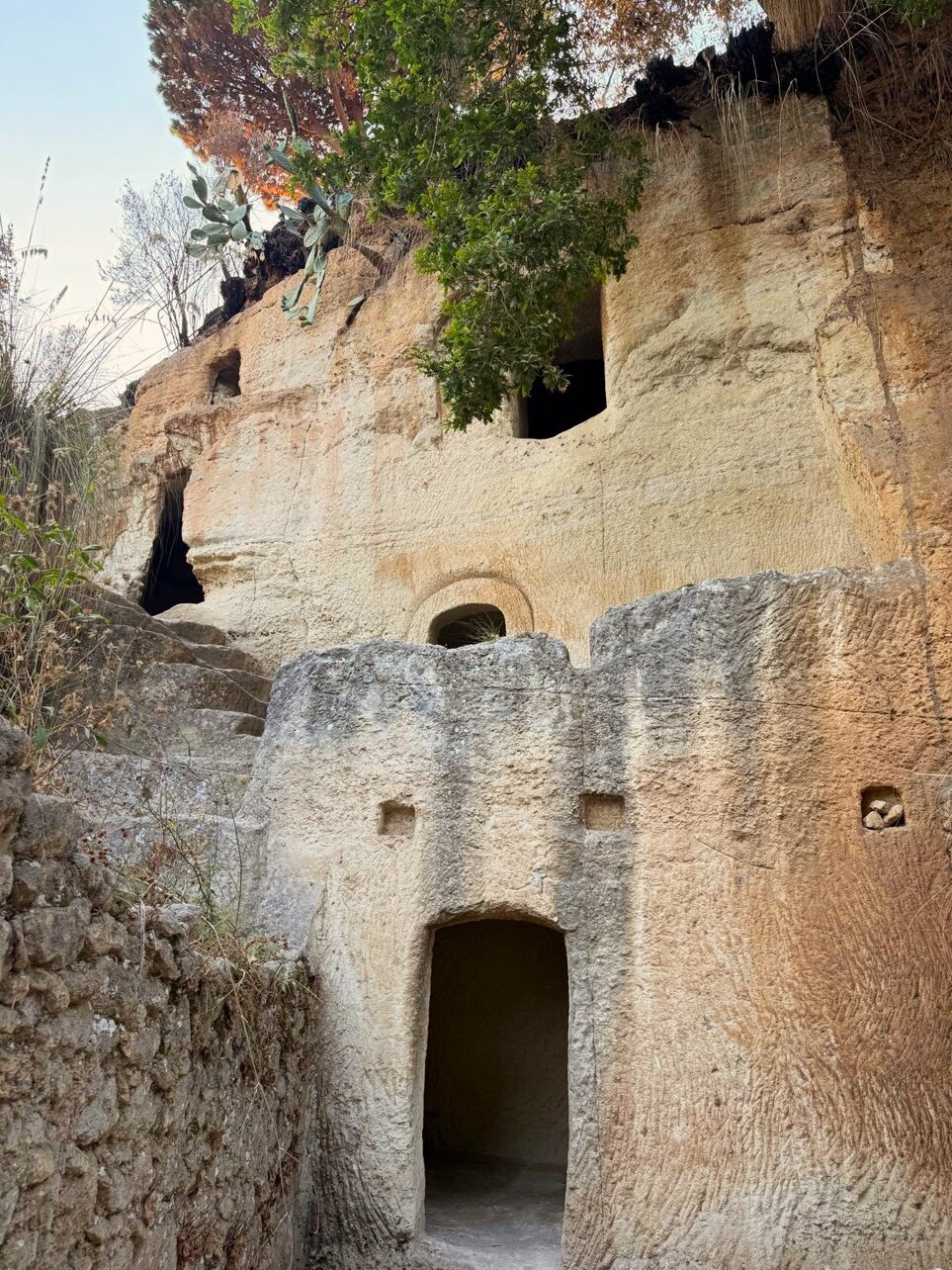
Zungri, the rock village
For those seeking history and culture, Zungri is absolutely worth a detour.
The town is known above all for the Rock-Hewn Village of the Sbariati, a complex of rooms carved into the rock that is one of the most distinctive sites in the Vibo inland. The site is sometimes nicknamed the "Calabrian Petra" and lets you add to your holiday an experience completely different from the classic seaside itinerary.
Zungri can easily be paired with a day in the hinterland, perhaps continuing on to Spilinga and Monte Poro.
Spilinga and Monte Poro
A few kilometers from Capo Vaticano lies Spilinga, home of the famous 'nduja.
Here the landscape is that of rural Calabria: hills, pastures, small producers and trattorias where you can taste a cuisine decidedly heartier than the fish dishes of the coast.
It is also one of the ideal starting points to explore Monte Poro, an area historically tied to shepherding and the production of Pecorino del Monte Poro.
A day in Vibo Valentia
If you have a few extra days, it’s worth going as far as Vibo Valentia too.
It doesn’t have Tropea’s international fame, but it makes for a pleasant cultural detour during a holiday on the coast.
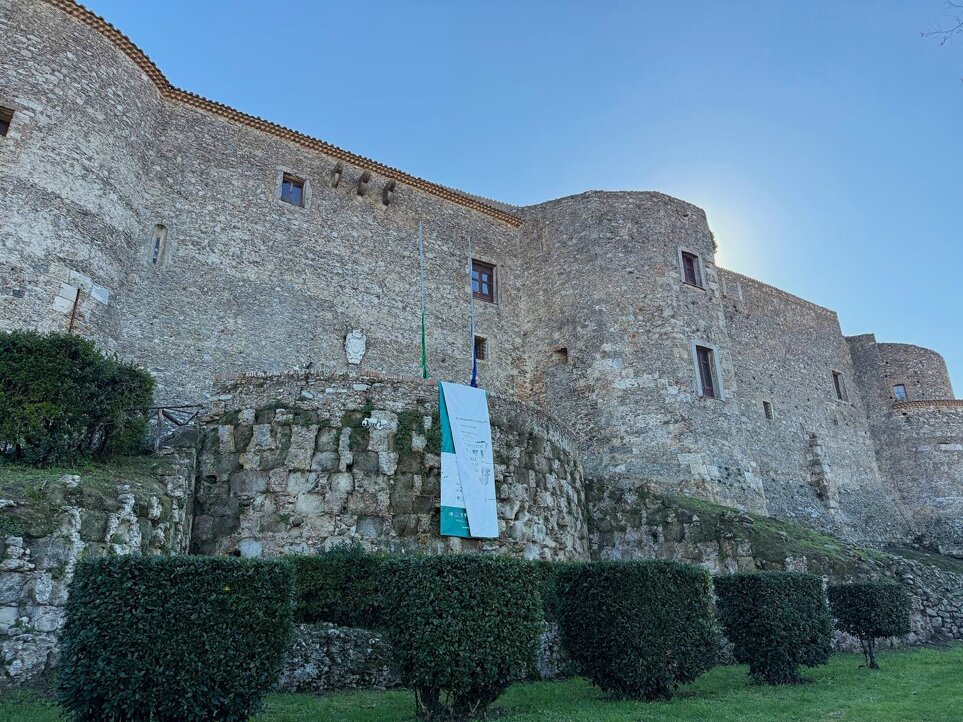
The historic center preserves palaces, churches and interesting views, and lets you stroll away from the busiest seaside resorts. Among the places to see are the Cathedral of Santa Maria Maggiore and San Leoluca and, above all, the Norman-Swabian Castle, which towers over the city from above.
Inside the castle is the National Archaeological Museum “Vito Capialbi”, where you can delve into the history of ancient Hipponion and the Vibo area.
And heading back toward the sea you can reach Vibo Marina, the main port center in the area and a possible starting point for trips along the coast and to the Aeolian Islands.
What to eat on the Coast of the Gods
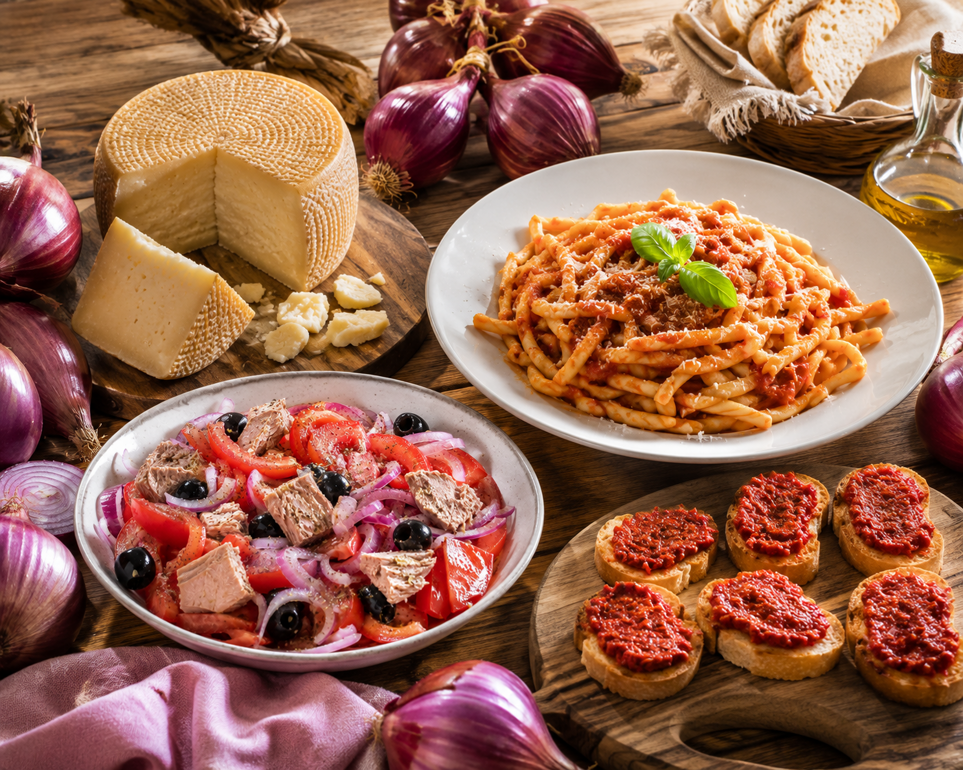
A holiday here should include at least a few food detours.
The most famous product is, of course, the Tropea Red Onion Calabria PGI, but just a few kilometres from the coast you’ll also find the 'nduja of Spilinga.
Also worth trying are fileja, Pecorino from Monte Poro, Tyrrhenian fish and, of course, the Pizzo Truffle. Learn more here about what to enjoy on the Coast of the Gods.
The best part is that coast and inland offer two different food experiences: by the sea, fish, fried dishes and seafood cooking rule; heading up towards Monte Poro, cured meats, cheeses, fresh pasta, meat and rustic country cooking take centre stage.
How much time to devote to the Costa degli Dei
To see only Tropea and Capo Vaticano, 2–3 days may be enough, but it would be a shame to limit yourself to that.
With 4 or 5 days you can start to really experience the area, mixing beaches, villages and a few inland experiences. With a week, the ideal, you can instead take your time moving between Pizzo, Tropea, Capo Vaticano and the lesser-known spots, setting aside at least one day for Zungri, Spilinga, Monte Poro or Vibo Valentia.
For those interested in heading inland too, the car remains the most practical way to explore the area; for those who prefer to focus exclusively on seaside towns and beaches, the train is also an excellent alternative to driving.
Coast of the Gods: much more than Tropea and Capo Vaticano
Tropea può essere il punto di partenza e Capo Vaticano la cartolina più spettacolare, ma la Costa degli Dei è soprattutto un territorio da esplorare lentamente.
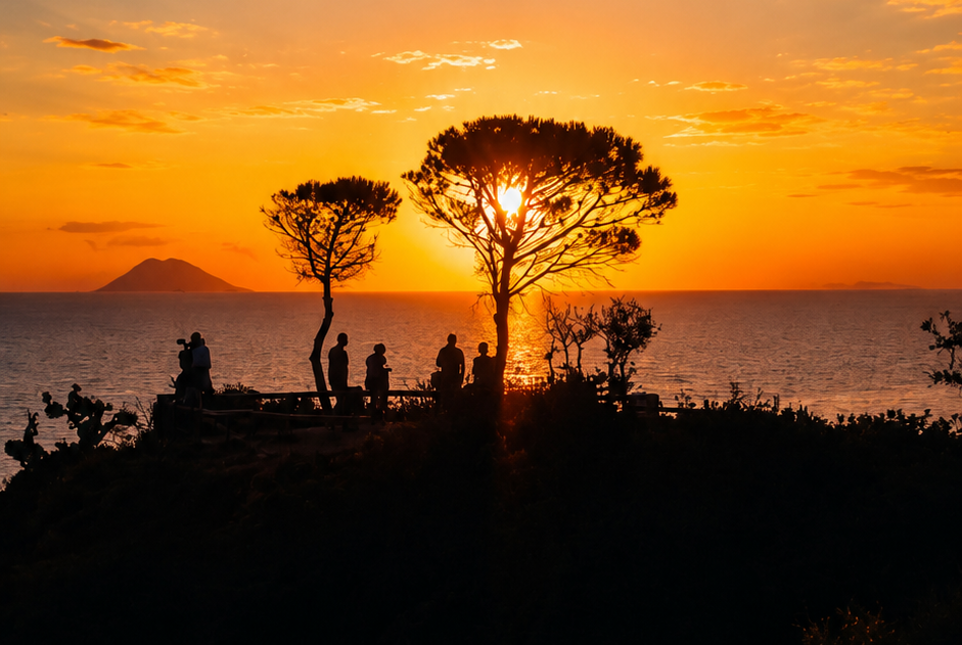
Significa scendere verso una caletta al mattino, fermarsi in un piccolo paese per pranzo, attraversare le campagne nel pomeriggio e concludere la giornata davanti al Tirreno, con un aperitivo, mentre il sole tramonta verso le Eolie.
È proprio il continuo passaggio tra mare e collina, località celebri e piccoli borghi, cucina marinara e tradizione contadina a rendere questo tratto della Calabria così speciale.
E forse è questo il modo migliore per scoprire la Costa degli Dei: non limitarsi a cercare la spiaggia più bella, ma concedersi il tempo di conoscere tutto ciò che si trova appena oltre il mare.
^^^^^^^^^
Do you like aperitifs?
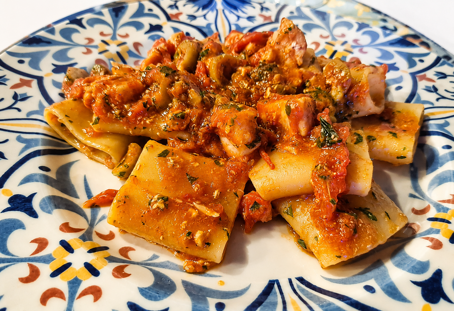
Fish-based dinner?
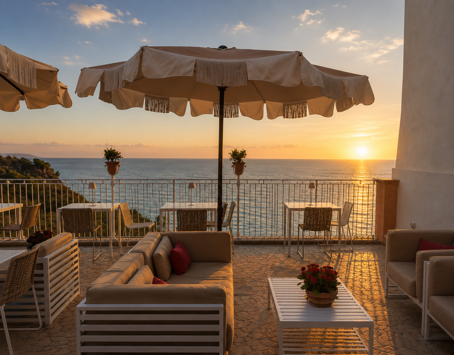
5 RECOMMENDED LOCATIONS FOR A SUNSET APERITIF ON THE COSTA DEGLI DEI
10 RECOMMENDED RESTAURANTS IN TROPEA TO ENJOY SEAFOOD
^^^^^^^^^
Do you love the beaches?
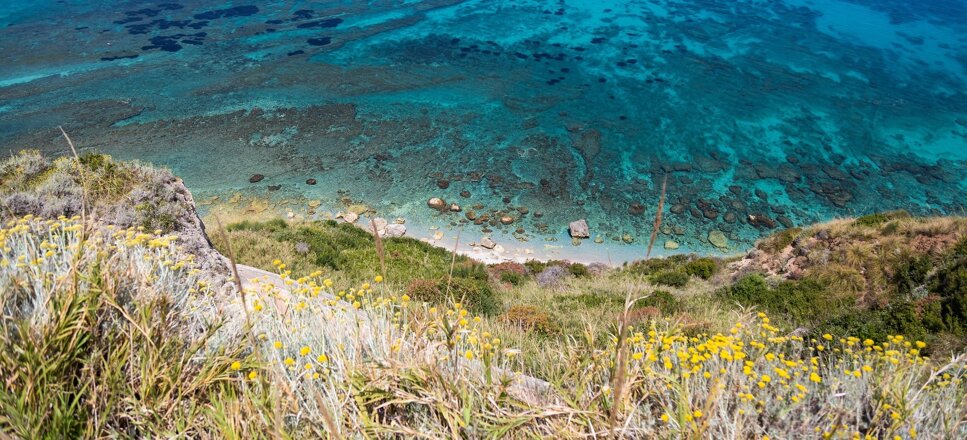
10 DREAM BEACHES OF THE COAST OF THE GODS
^^^^^^^^^
Look also…
CALABRIA ITINERARIES
VINEYARD APERITIFS
SUNSETS IN CALABRIA
HIKING IN CALABRIA