Fiery sunsets
Wonderful views

Let yourself be embraced by the warmth of Calabria, where every glance stirs emotion, every encounter feels like a hug, and beauty surprises you at every step.
CALABRIA
O N T H E R O A D
CALABRIA
RoadCalabria
O N T H E R O A D
Italy's most authentic region!
ROADCALABRIA
CONTACTS
EXPLORE
Ideas, itineraries and places to discover, to experience Calabria on the road
Follow us on Instagram
Home
Itineraries
Zungri Caves: the stone city hidden in the heart of Calabria
info@roadcalabria.it
Villages
What you’re looking for
CALABRIA
O N T H E R O A D
Beaches
Did you know that
Art, History, Culture
Useful Links
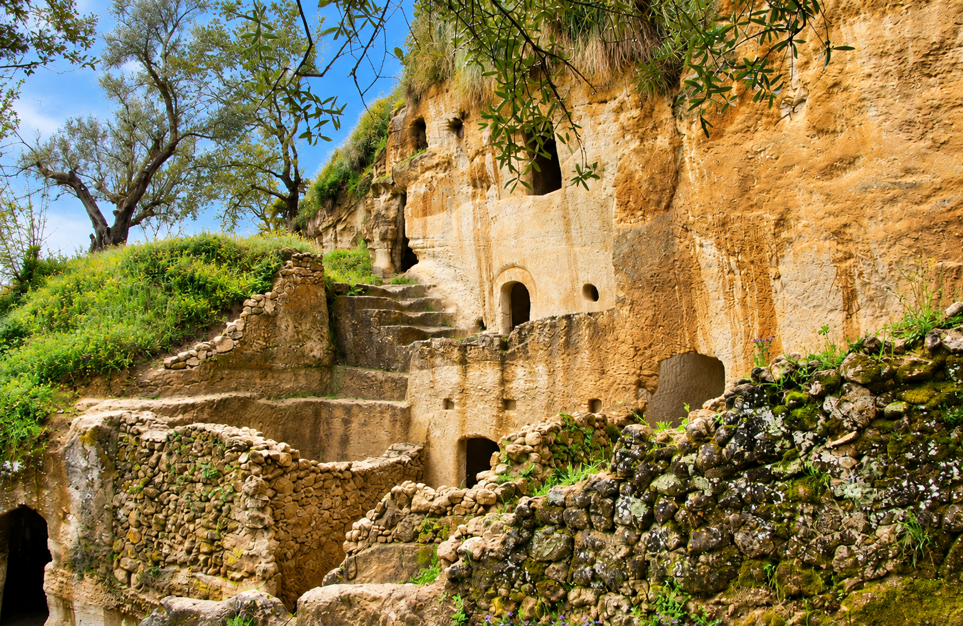
A small world carved into the rock, made up of homes, passages, niches and work spaces
National Parks
Write to us
Trekking
Some of the images on RoadCalabria come from the 'Calabria Straordinaria' portal of the Calabria Region and are used under a CC-BY license
© 2026 RoadCalabria
In the heart of the Vibo inland, just a few kilometers from the famous resorts of the Coast of the Gods, there is a place that can tell of a Calabria completely different from the one of beaches and crystal-clear sea. These are the Zungri Caves, also known as the Rock Settlement of the Sbariati: a small world carved into the rock, made of homes, stairs, passages, niches and work areas that seem to blend into the hillside.
It is not simply a few isolated caves. Zungri is a true organized rock settlement, spread over about 3,000 square meters, made up of dozens of rooms carved into the rock and structures built later. The oldest traces may date back to the period between the 8th and 12th centuries, but the origin of the complex is still being studied.
It is precisely this aura of mystery, together with the place’s wild beauty, that makes Zungri one of the most unusual visits to do in Calabria.
Where are the Zungri Caves located
Zungri is located in the province of Vibo Valentia, in the hinterland of Monte Poro, not far from Calabria’s Tyrrhenian coast. The rock settlement can be reached directly from the village and extends along a rocky slope descending towards the Malopera stream valley, surrounded by Mediterranean vegetation.
The entrance is located on Via Indipendenza, just a short distance from the town centre. Thanks to its convenient location, a visit to the caves can easily be combined with a stroll through the village and a visit to the Museum of Rock and Rural Civilisation.
The Grotte degli Sbariati: a city carved into the rock
The most fascinating part of the visit begins when you leave the village behind and gradually descend into the rock-cut landscape.
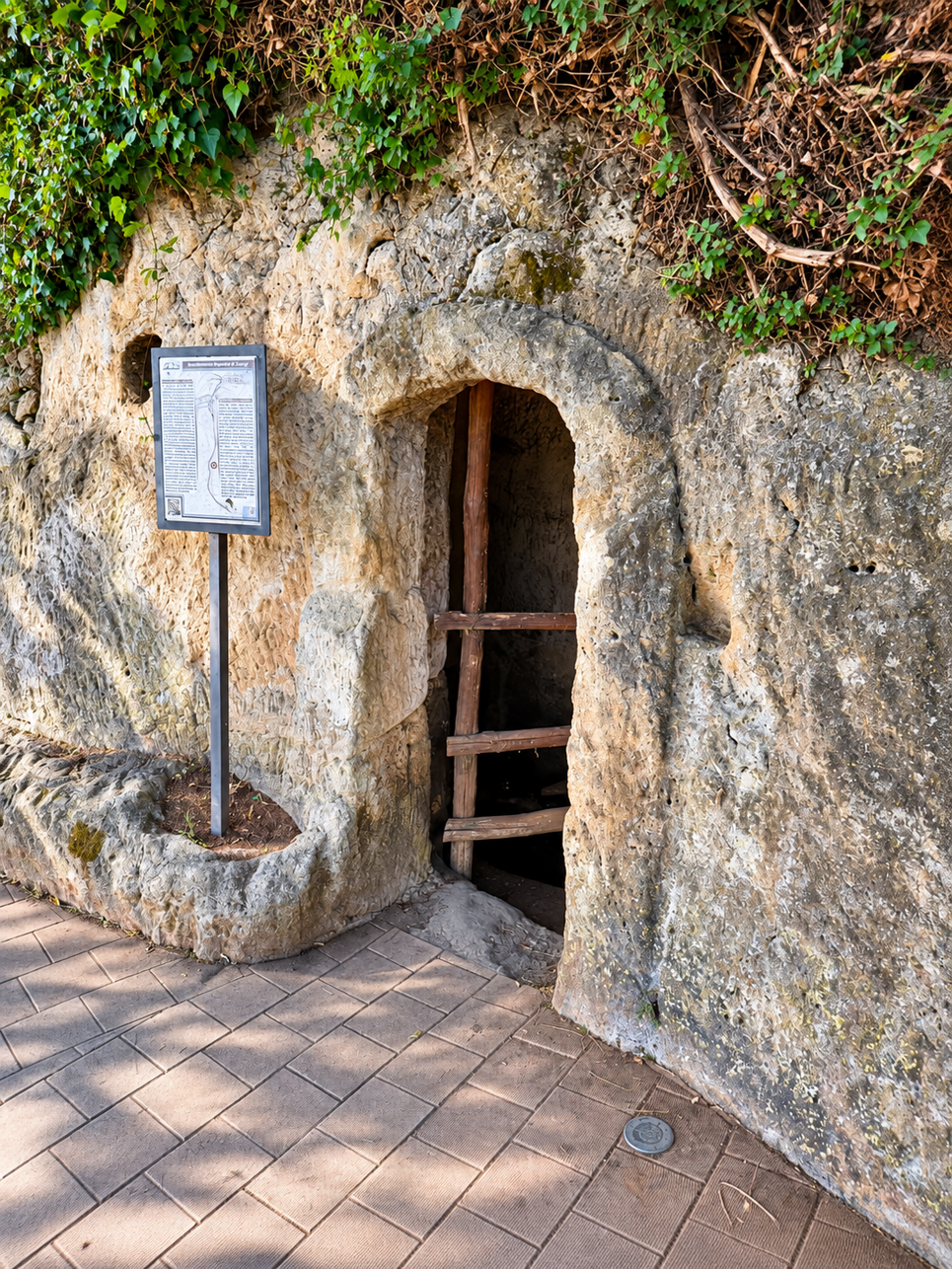
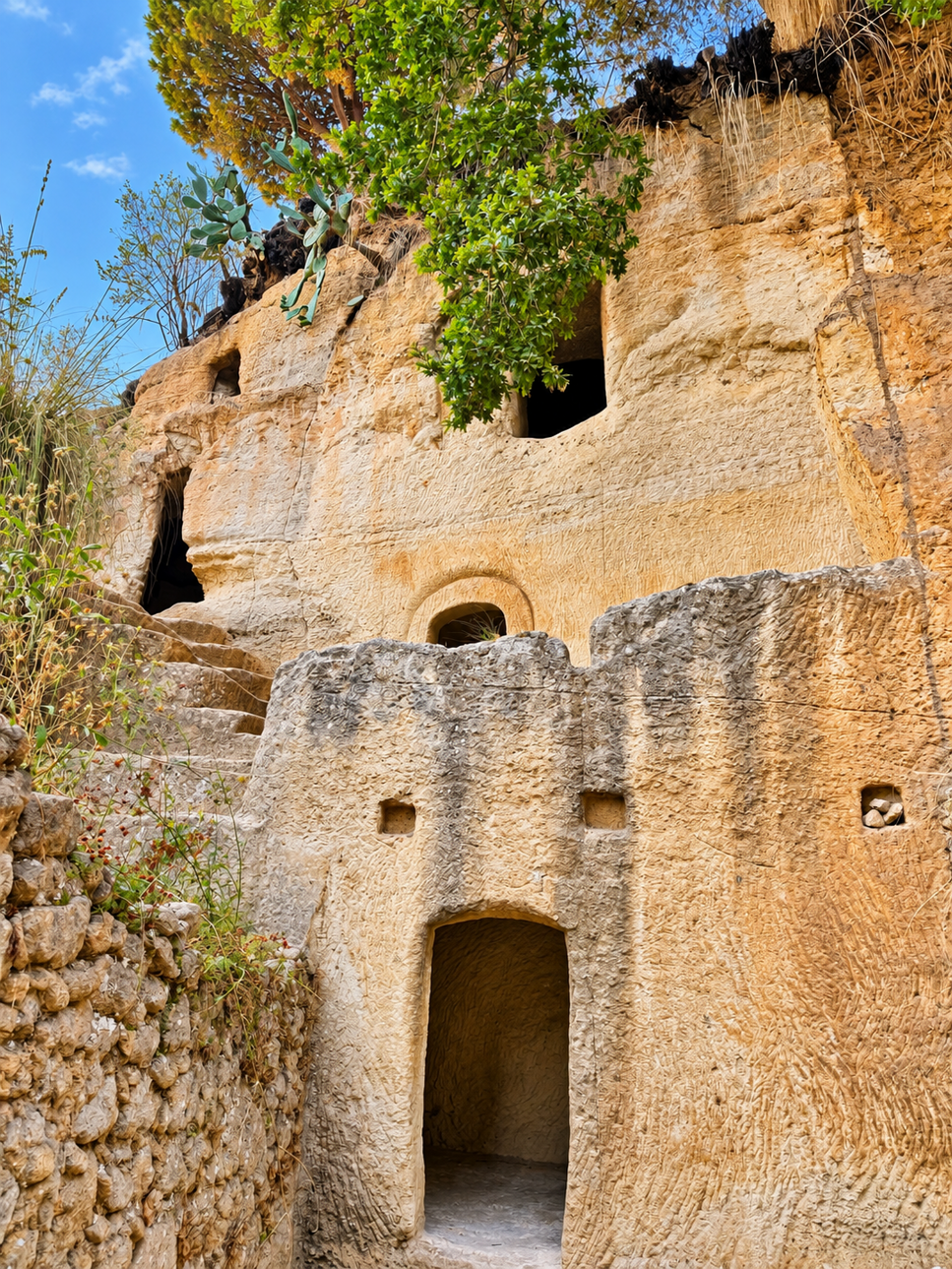
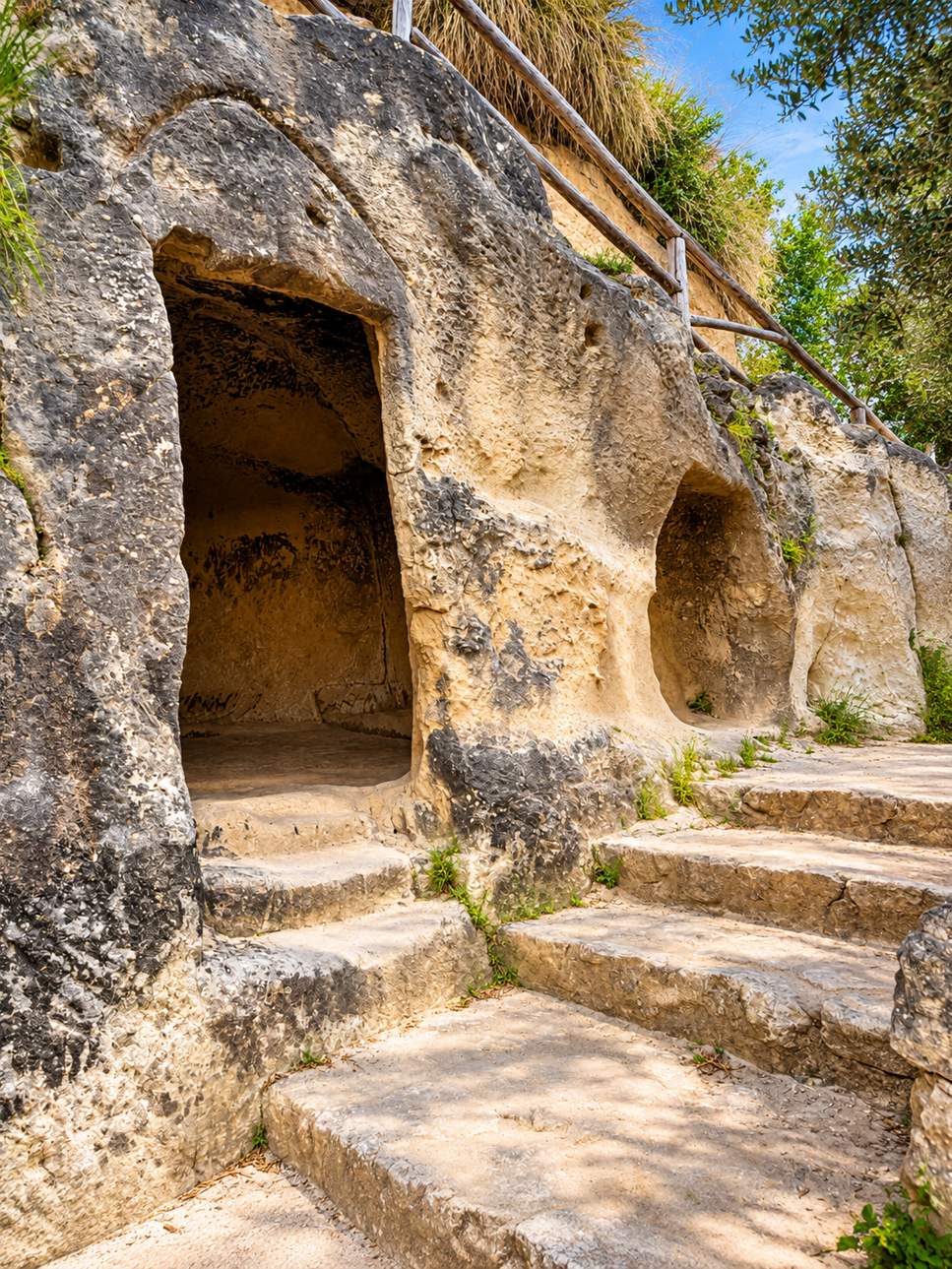
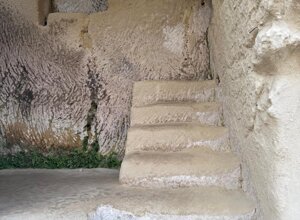
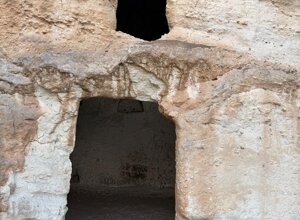
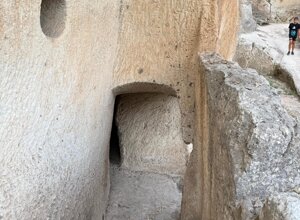
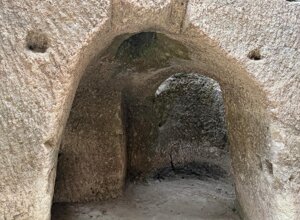
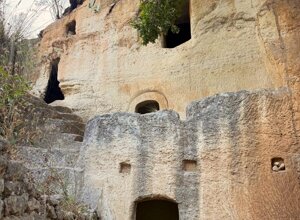
Carved openings appear directly in the rock face, alongside small entrances, steps hewn from the stone and interconnected chambers. Some structures are simple, while others are more elaborate and arranged on several levels.
The spaces did not all serve the same purpose. Archaeological research has identified areas used as dwellings, shelters for animals, grain storage rooms and spaces devoted to productive activities, including winemaking and lime production.
The overall organisation of the settlement is equally fascinating: pathways, stairways and systems for managing and collecting water show that this was not simply an occasional refuge, but a place designed for the everyday life of a community.
Walking among the caves, you have the feeling of exploring a small city of stone, slowly shaped by human hands and the passage of time.
Who lived in the Caves of Zungri?
It is one of the most intriguing aspects of the site, as there is still no definitive answer.
In the past, the settlement was often associated with the presence of Basilian monks, who arrived from the East and settled in various parts of Calabria. This interpretation has contributed greatly to the fascination surrounding the caves.
Official information from the Municipality, however, is more cautious. Research into the origins of the settlement is still ongoing, and two main hypotheses have been proposed: that it was home to a colony connected to populations from the East, or that it served as a settlement for production and storage activities linked to the nearby Kastron of Mesiano.
The origins of Zungri are therefore best regarded as a fascinating historical question that remains open, rather than attributing the caves with certainty to a single community.
What to see during the visit
The best way to experience the Zungri Caves is to explore them slowly. Do not expect a monument to be admired from a single viewpoint: here, the journey through the site is an essential part of the experience.
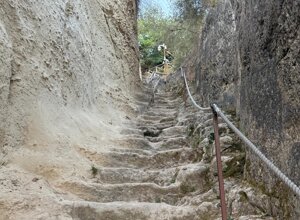
As you descend into the settlement, you will encounter cave dwellings, rock-cut chambers, niches, openings, stairways and narrow passageways. Take the time to observe the marks on the walls and the different shapes of the chambers: these details offer a glimpse into what everyday life might have been like here centuries ago.
The contrast between the pale stone, the dark interiors of the caves and the vegetation that has gradually reclaimed the site also makes it particularly photogenic.
Comfortable footwear is recommended, however, as the route includes steps, uneven ground and steep sections. The Municipality also notes the presence of architectural barriers, making the site less suitable for visitors with limited mobility.
The Museum of Rock and Rural Civilisation
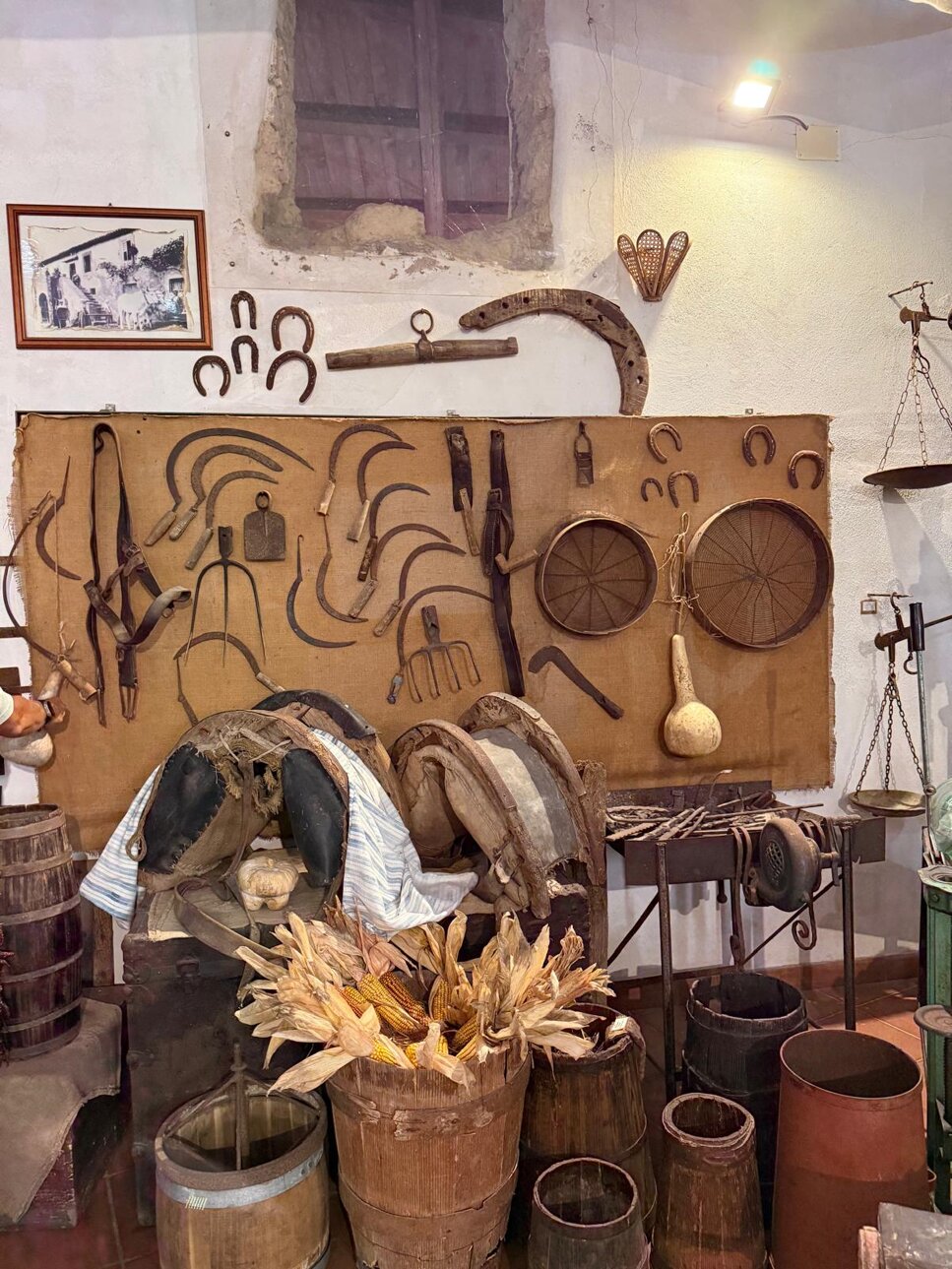
Before or after visiting the caves, it is well worth exploring the Museum of Rock and Rural Civilisation of Zungri, housed in an old olive mill just a short distance from the rock settlement.
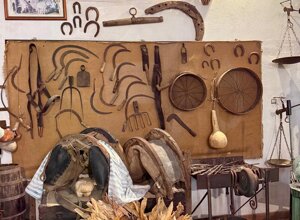
The collection includes around 3,000 artefacts connected with the traditional way of life of the local area. The exhibits are divided into sections dedicated to the home, agricultural work, traditional crafts, weaving and winemaking. A period bedroom has also been reconstructed, alongside household objects, traditional clothing and examples of popular religious devotion.
The museum perfectly complements a visit to the caves, offering the opportunity to move from the rock-cut structures themselves to the objects once used in the everyday life of the area's rural communities.
Zungri: the Village Above the Caves
It would be a shame to visit Zungri only to see the rock settlement and then leave straight away.
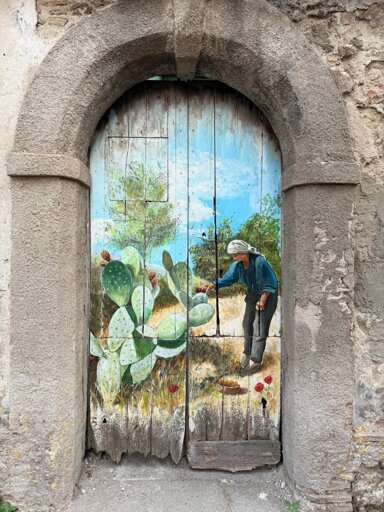
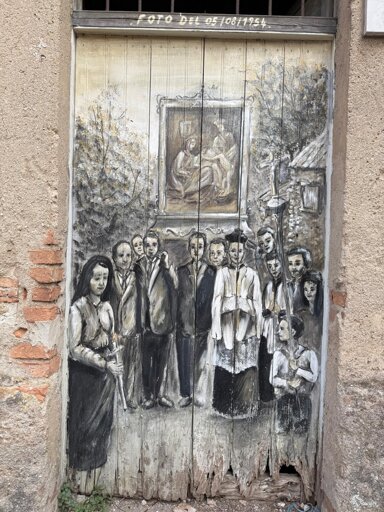
The village retains the peaceful atmosphere typical of Calabria’s small inland towns, with stone houses, narrow lanes, courtyards, little squares and views over the countryside of Monte Poro. Its historic centre is closely connected to the rural culture that has shaped the entire area and provides a natural continuation of the visit to the caves.
One of the village’s main religious landmarks is the Diocesan Sanctuary of the Madonna della Neve. Inside is a 16th-century painting of the Madonna della Neve, attributed to a southern Italian artist trained within the artistic tradition of Raphael’s school. The small road leading down towards the rock settlement also begins near the sanctuary.
It is therefore worth setting aside a few hours to discover Zungri as a whole: the village, the museum and the caves reveal three different sides of the same land and its history.
Why visit the Zungri Caves
Because they reveal an unexpected side of Calabria.
Just a short distance from some of the region’s most popular beaches, the blue of the Tyrrhenian Sea suddenly gives way to a landscape of rock, Mediterranean vegetation and ancient spaces carved into the earth. There are not simply monuments to photograph here, but an entire way of living and adapting to the land waiting to be discovered.
Zungri is particularly fascinating for those who love historic villages, archaeology, photography, medieval history and unusual places off the beaten path. It is also an ideal destination to combine with a day exploring the Costa degli Dei.
Its greatest charm, however, lies in the feeling that stays with you once you enter the caves: the sense of discovering a place that still holds many mysteries, where people who lived centuries ago transformed a rocky hillside into homes, storage areas, pathways and working spaces.
And perhaps this is the most remarkable thing about the Zungri Caves: they do not simply feel like ruins. They resemble a small village that, rather than being built upon the rock, was born within the rock itself.
*
In the surroundings
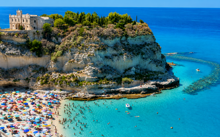
COAST OF THE GODS
TROPEA
CAPO VATICANO
PIZZO