Fiery sunsets
Wonderful views

Let yourself be embraced by the warmth of Calabria, where every glance stirs emotion, every encounter feels like a hug, and beauty surprises you at every step.
CALABRIA
O N T H E R O A D
CALABRIA
RoadCalabria
O N T H E R O A D
Italy's most authentic region!
ROADCALABRIA
CONTACTS
EXPLORE
Ideas, itineraries and places to discover, to experience Calabria on the road
Amantea: What to See Between The Old Town, Castle, Sea and Tyrrhenian Views
Follow us on Instagram
Home
Itineraries
info@roadcalabria.it
Villages
What you’re looking for
CALABRIA
O N T H E R O A D
Beaches
Did you know that
Art, History, Culture
Useful Links
A Charming Town That Surprises with Its Historic Centre and Stunning Sea Views
National Parks
Write to us
Trekking
Some of the images on RoadCalabria come from the 'Calabria Straordinaria' portal of the Calabria Region and are used under a CC-BY license
© 2026 RoadCalabria
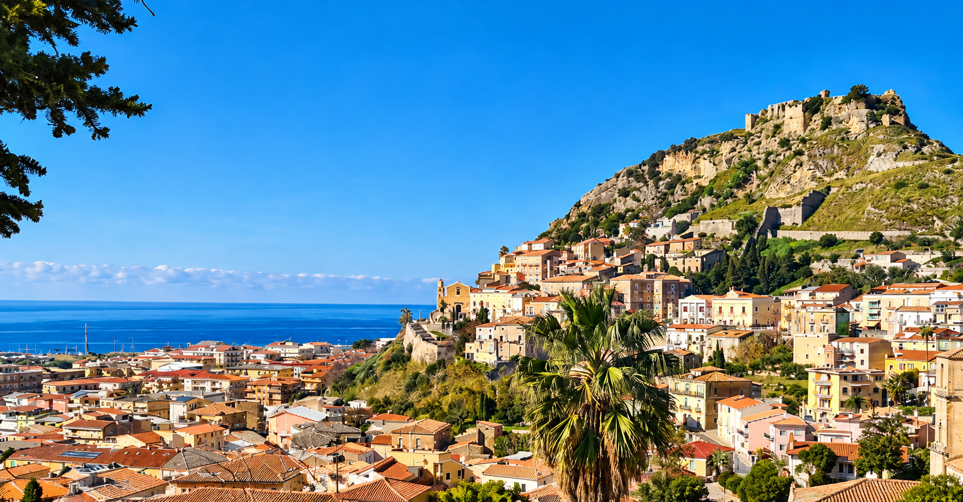
Overlooking the Tyrrhenian Sea, along one of the most picturesque stretches of Calabria’s western coastline, Amantea is a charming town that surprises visitors with its historic centre, medieval heritage and stunning sea views.
Here, the landscape changes within just a few steps: from the beaches and seafront promenade, the streets climb towards an ancient town of narrow alleys, stairways, churches and historic palaces, eventually reaching the remains of a fortress that dominated the surrounding area for centuries. Amantea is an ideal destination for those wishing to combine a seaside holiday with the discovery of Calabrian history and traditions. Its charm lies precisely in the contrast between the lively modern town and the peaceful atmosphere of its historic centre, perched on the hillside.
A stroll through its narrow streets, a sunset over the Tyrrhenian Sea and a visit to the town’s most iconic landmarks reveal a corner of Calabria that deserves to be explored at a leisurely pace.
Where Amantea is located
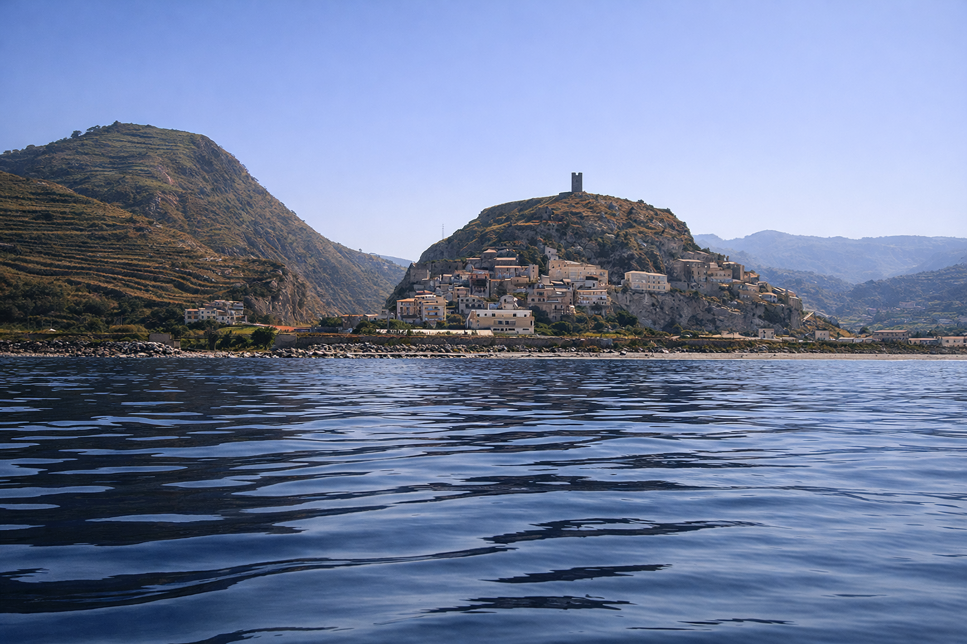
Amantea is located in the province of Cosenza, along Calabria’s Tyrrhenian coast, in a particularly picturesque setting between the sea and the hills of the hinterland. The town is divided into two distinct areas. The modern part stretches along the coastline, with beaches, shops and residential neighbourhoods, while the historic centre occupies the hillside overlooking the sea, dominated by the remains of the ancient castle. This distinctive layout makes Amantea instantly recognisable: viewed from the sea, its houses can be seen climbing the hillside towards the summit, where the ancient fortifications still stand.
Amantea’s location is also ideal for exploring the Tyrrhenian coast of the Cosenza province, with easy access to charming villages, beaches, rocky cliffs and destinations further inland.
The History of Amantea: From Medieval Origins to the Napoleonic Sieges
The history of Amantea is deeply connected to its strategic position on the Tyrrhenian Sea, which made it an important coastal stronghold for centuries.
The town’s history spans the Byzantine period, Arab rule and the subsequent Norman, Swabian, Angevin and Aragonese eras, leaving visible traces in its urban layout and fortifications. During the Middle Ages, Amantea developed into a fortified settlement, protected by defensive walls and dominated by a castle overlooking the surrounding territory and maritime routes.
The town played a central role in numerous episodes of resistance and conflicts over control of southern Italy. One of the most famous chapters in its history was the siege of 1806–1807, during the Napoleonic Wars, when Amantea resisted French troops for several months. The town eventually surrendered in February 1807, following prolonged fighting that severely damaged its fortifications and buildings.
Even today, walking through the old town and admiring the remains of the castle reveals traces of this complex and fascinating past.
Historic Centre: Narrow Alleys, Stairways and Views of the Tyrrhenian Sea
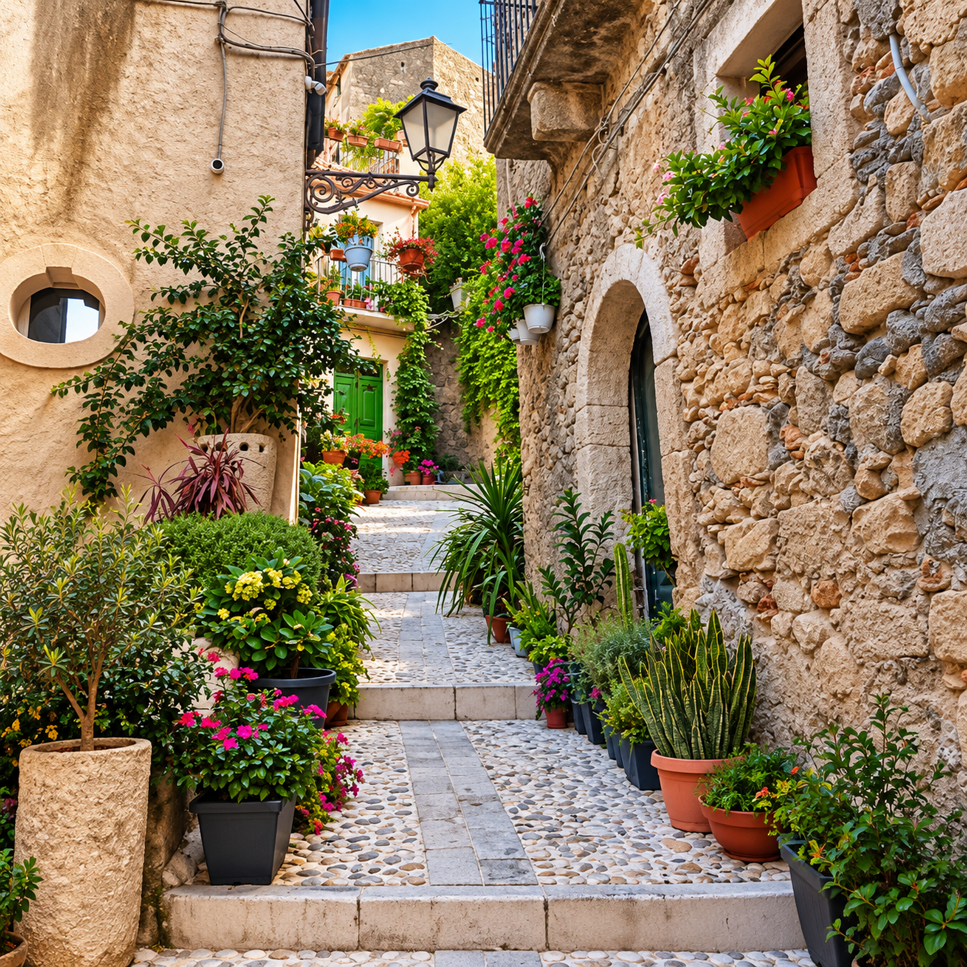
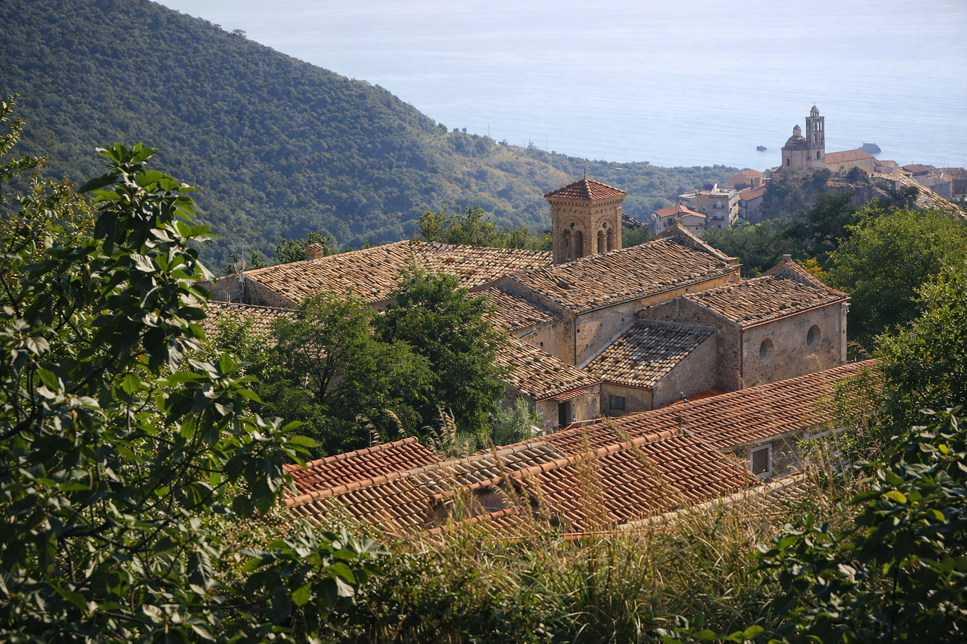
The historic centre of Amantea is one of the town’s most distinctive areas, a maze of narrow alleys, stairways, arches and ancient houses stretching along the hillside.
Here, the atmosphere changes completely compared to the coastal area. Streets become narrower, houses overlook small passageways and, between the buildings, stunning sea views suddenly appear. Walking through the old town means discovering a more authentic and peaceful side of Amantea, where the architecture preserves traces of centuries of history.
Among the most interesting buildings are noble palaces, ancient churches and historic structures that reflect the importance Amantea held in centuries past.
Particularly charming are the areas of Calavecchia and Catocastro, linked to the oldest parts of the settlement, while the Chianura neighbourhood preserves memories of the town’s maritime traditions.
The historic centre deserves to be explored at a leisurely pace, wandering through its narrow streets and stopping at panoramic viewpoints overlooking the rooftops, coastline and Tyrrhenian horizon.
Amantea Castle: The Fortress Overlooking the Town
Amantea Castle is one of the town’s most important landmarks and the clearest reminder of its military and strategic past. The fortress stands at the top of the hill overlooking the historic centre, in a position that once allowed control over a long stretch of coastline and the surrounding territory.
Its origins are closely linked to the town’s medieval history, although the complex underwent numerous changes and renovations over the centuries. Today, the castle mainly consists of surviving walls, fortification remains and sections of its towers, offering a glimpse into the defensive importance of the ancient settlement. Among its most recognisable features are the remains of the keep, the fortress’s main tower, which still defines the hilltop skyline. The castle was also the setting for one of the most dramatic episodes in Amantea’s history: the prolonged siege by Napoleonic troops, which ended in 1807.
However, the appeal of this place goes far beyond its history. From the castle hill, spectacular panoramic views stretch across the town and the Tyrrhenian Sea, making it one of the most picturesque spots in Amantea.
Access to the ruins and nearby paths may vary, so visitors should check current conditions and respect any access restrictions.
The Church of San Bernardino da Siena: A 15th-Century Gem
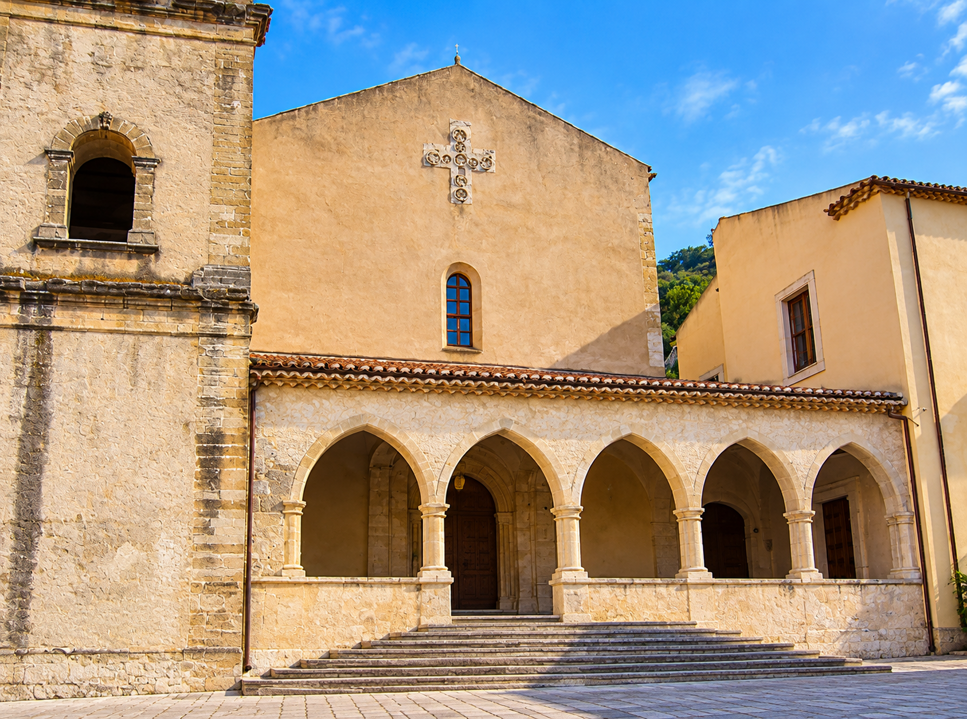
Among Amantea’s most important religious buildings stands the Church of San Bernardino da Siena, one of the most significant landmarks of the town’s artistic and architectural heritage. Dating back to the 15th century, the church is closely connected to the Franciscan presence in the area. One of its most distinctive features is the entrance portico, which gives the building a particularly elegant appearance. The complex preserves a peaceful and evocative atmosphere, where religious architecture, local history and devotional traditions come together.
Over the centuries, the church has experienced a complex history, suffering damage from earthquakes and the conflicts that affected the town.
Visiting San Bernardino means discovering a place where Amantea’s artistic and spiritual heritage meet, offering a different perspective from the castle and its ancient fortifications.
Amantea’s Other Churches: Art and Religious Traditions
Alongside the Church of San Bernardino, the historic centre preserves other religious buildings that reflect the deep connection between the local community and its traditions. Among these, the Collegiate Church of San Biagio, also known as the Mother Church, is well worth a visit. As one of the town’s main places of worship, it remains an important landmark of local religious life and reflects the architectural and spiritual changes that have shaped Amantea over the centuries.
Another significant religious building is the Church of Santa Maria del Carmine, also known as the Church of San Rocco, closely linked to popular devotion and the town’s history.
On the hillside, visitors can also discover the remains of the ancient Church of San Francesco d’Assisi, a reminder of the Franciscan presence and the religious transformations of the medieval town.
These places reveal a less touristy side of Amantea, shaped by faith, collective memory and traditions passed down through generations.
Palazzo delle Clarisse and Amantea's Historic Palaces
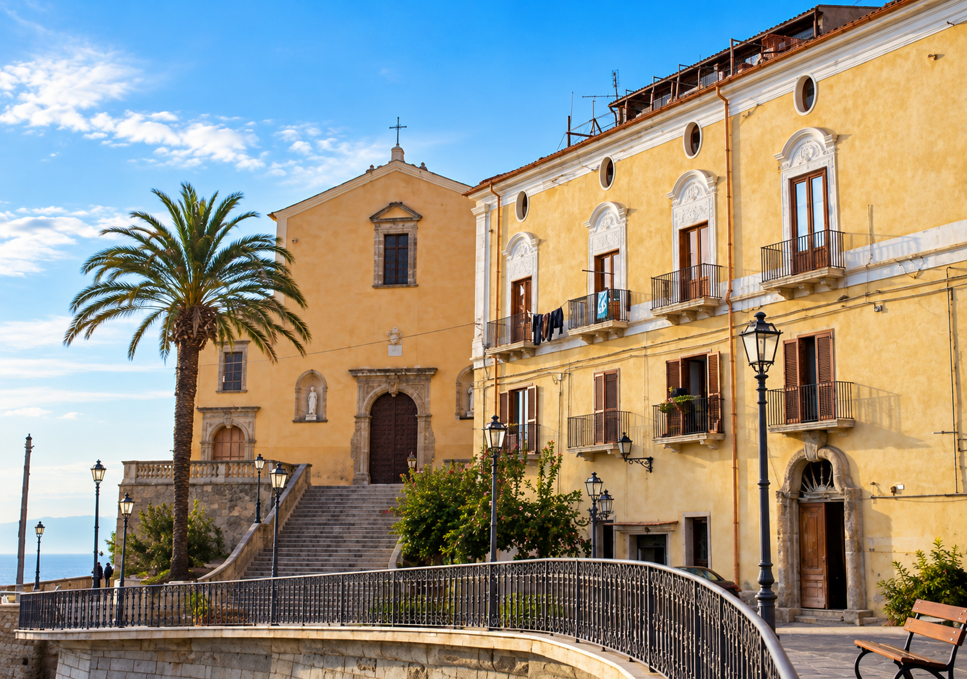
Among the most interesting architectural landmarks in the historic centre is Palazzo delle Clarisse, a building that tells an important chapter of the town’s religious and civic history. The complex is closely linked to the former monastic presence and has undergone several transformations and changes of use over time. Its architecture and location make it one of the most recognisable buildings in the old town.
Walking through the historic centre, visitors can also admire other notable palaces, including Palazzo Mirabelli and Palazzo Cavallo Marincola, which bear witness to the families and events that shaped Amantea’s history.
These buildings remind us that the town was not merely a fortified settlement, but also an important centre of administrative, cultural and social life.
Amantea’s Seafront Promenade: Strolls and Sunsets over the Tyrrhenian Sea
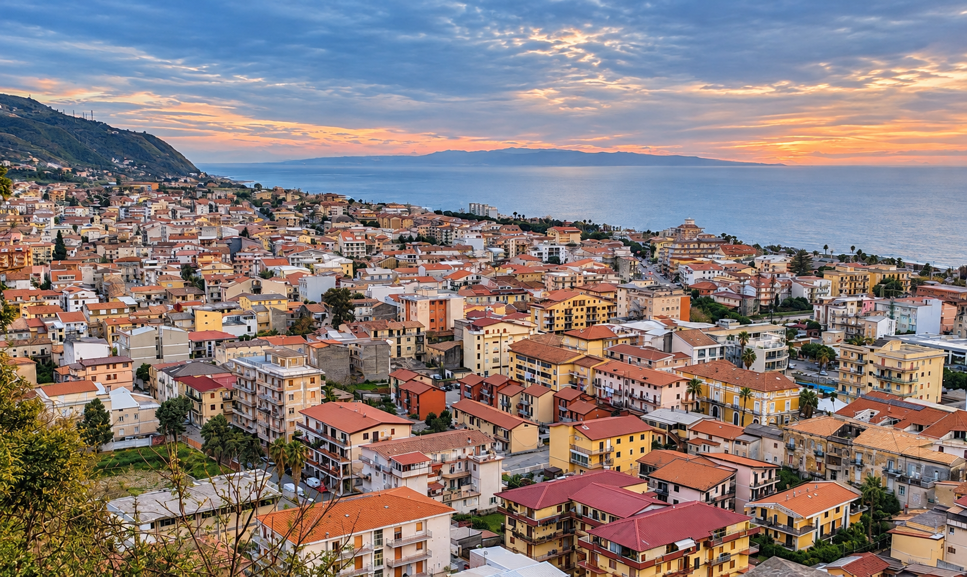
Amantea’s seafront promenade is one of the town’s main gathering places, especially during the summer months. Stretching along the Tyrrhenian coast, it runs beside a long beach and offers beautiful views of the sea. Much of the town’s seaside life takes place here, with beach clubs, bars and spaces dedicated to leisurely walks and relaxation.
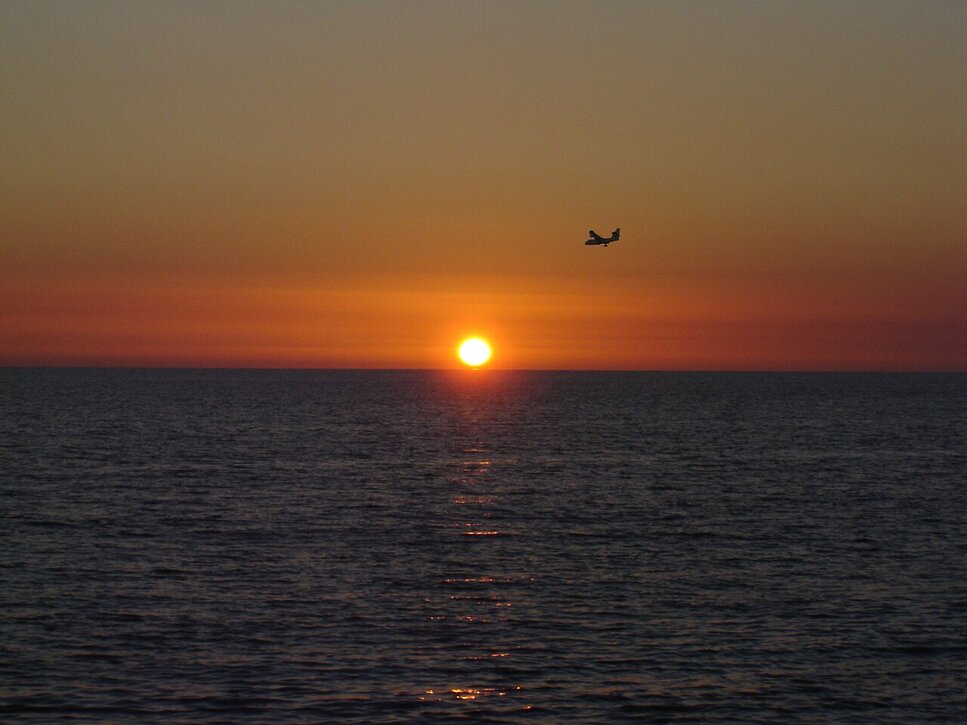
The promenade is particularly enjoyable in the evening, when sunlight reflects on the water and the landscape takes on warm, enchanting colours. Sunsets over the Tyrrhenian Sea are among the most beautiful sights Amantea has to offer, as the sun slowly sinks towards the horizon, bathing the coastline in golden light.
It is the perfect place to end a day spent exploring the historic centre, churches and castle, while enjoying the relaxed atmosphere of a charming seaside town.
Amantea’s Beaches: Sea, Relaxation and Coastal Landscapes
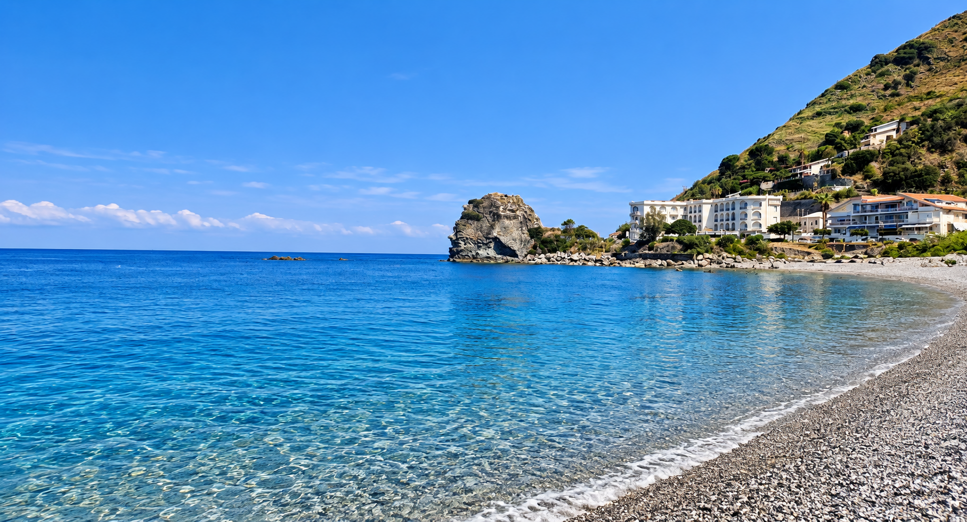
The beaches are one of Amantea’s main attractions, making the town a popular destination for summer holidays. The coastline features long stretches of predominantly sandy and pebbly beaches overlooking the Tyrrhenian Sea. The coast alternates between equipped beach clubs and stretches of free public beach, offering different options for those wishing to spend a relaxing day by the sea.
Among the best-known areas is Tonnara Beach, appreciated for its coastal scenery and the opportunity to unwind away from the busier central areas.
Just a short distance from Amantea’s centre lies Coreca, a coastal village known for its spectacular rocky cliffs and breathtaking views of the Tyrrhenian Sea. Here, the coastline takes on a different character compared to the town’s long beaches, with rocks emerging from the water and particularly scenic stretches of shore. The area’s most distinctive landmark is the Scoglio di Coreca, a striking rock formation rising from the sea.
Among the area’s most fascinating natural attractions are the Scogli di Isca, two rocky formations located offshore between Amantea and Belmonte Calabro. Known as Isca Grande and Isca Piccola, these rocks form the heart of a protected marine area of particular natural interest. The surrounding seabed supports rich biodiversity, making it a popular destination for diving enthusiasts and those interested in exploring the underwater world.
What to see in the surroundings
Amantea’s location makes it easy to explore some of the most charming villages along the Tyrrhenian coast of the Cosenza province and its hinterland, where medieval castles, ancient churches and spectacular panoramic views await visitors.
Among the most picturesque destinations near Amantea is Fiumefreddo Bruzio, a medieval village perched on a hill overlooking the Tyrrhenian Sea and included among Italy’s Most Beautiful Villages. Its historic centre preserves narrow streets, squares, noble palaces and numerous churches, creating a particularly enchanting atmosphere. One of its main attractions is Castello della Valle, also known for the works created by painter Salvatore Fiume, who left an important artistic legacy in the village.
Just a short distance from Amantea lies Belmonte Calabro, a charming hilltop village with a historic centre rich in architectural and cultural heritage. Its medieval origins are linked to the construction of a fortified settlement designed to control the coastline. Walking through the village, visitors can discover narrow alleys, historic buildings and panoramic viewpoints that tell the story of the local community.
Among the most distinctive destinations in the hinterland is Cleto, a small village that preserves a particularly evocative medieval atmosphere. Its most iconic landmark is Cleto Castle, an ancient fortress overlooking the village and the surrounding landscape.
Another interesting destination is Aiello Calabro, a historic inland village characterised by a remarkable architectural heritage. The village is dominated by the remains of its medieval castle, while its streets reveal historic palaces and traces of the noble families. Among its most significant buildings is Palazzo Cybo, closely connected to the history of the powerful Cybo Malaspina family. A few kilometres further north lies another charming town overlooking Calabria’s central Tyrrhenian coast: Paola, famous as the birthplace of Calabria’s patron saint, Saint Francis of Paola, and home to the Sanctuary of Saint Francis of Paola, a major religious destination attracting thousands of pilgrims.
Looking for the perfect itinerary? Look here!