Fiery sunsets
Wonderful views

Let yourself be embraced by the warmth of Calabria, where every glance stirs emotion, every encounter feels like a hug, and beauty surprises you at every step.
CALABRIA
O N T H E R O A D
CALABRIA
RoadCalabria
O N T H E R O A D
Italy's most authentic region!
ROADCALABRIA
CONTACTS
EXPLORE
Ideas, itineraries and places to discover, to experience Calabria on the road
Gerace Cathedral: Calabria’s great medieval jewel
Follow us on Instagram
Home
Itineraries
info@roadcalabria.it
Villages
What you’re looking for
CALABRIA
O N T H E R O A D
Beaches
Did you know that
Art, History, Culture
Useful Links
Magnificent Norman-Byzantine architecture, in one of Italy's most beautiful villages
National Parks
Write to us
Trekking
Some of the images on RoadCalabria come from the 'Calabria Straordinaria' portal of the Calabria Region and are used under a CC-BY license
© 2026 RoadCalabria
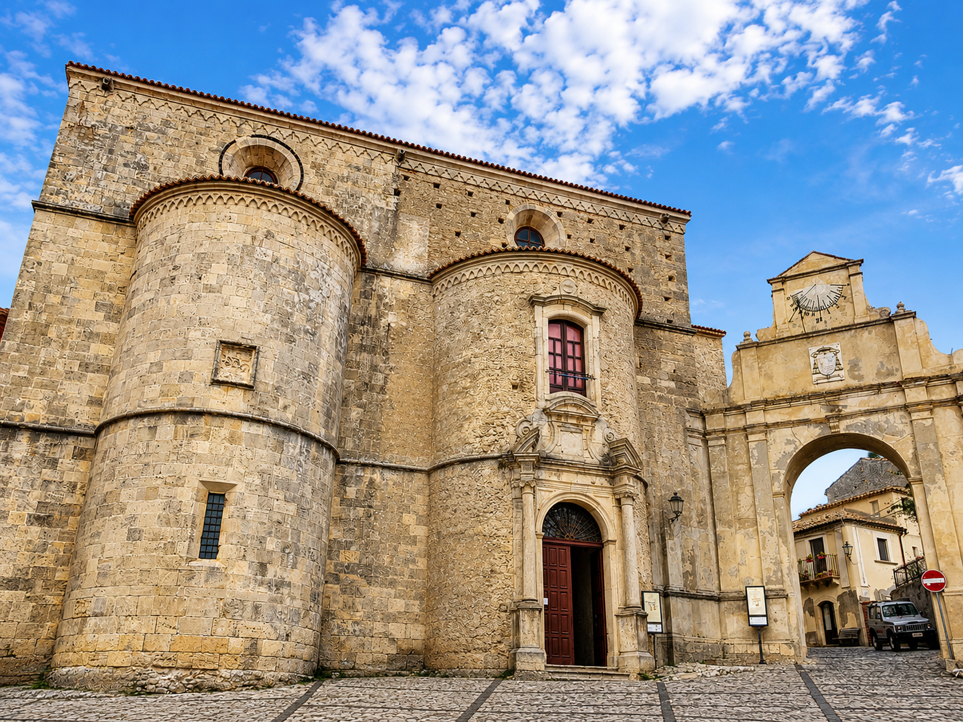
In the heart of the ancient village of Gerace stands one of the most imposing and fascinating cathedrals in Southern Italy. The Co-Cathedral of Santa Maria Assunta is the historic, artistic and religious symbol of Gerace and is considered one of the most important examples of Norman/Byzantine architecture in Calabria. Majestic and austere, it dominates the old town from the top of the rock on which the medieval village rises, offering visitors a journey through almost a thousand years of history.
The construction of the cathedral probably began in 1085, during the Norman period, at the behest of Count Roger of Hauteville, one of the leading figures in the Norman conquest of southern Italy. The works continued for several decades and the building was consecrated in 1222. The choice to build such a large church in a small mountain village was no accident: in the Middle Ages, Gerace was in fact one of the main religious and political centers of Byzantine and Norman Calabria.
The cathedral was built using local stone and materials recovered from ancient Greek and Roman buildings of nearby Locri Epizefiri. Even today, looking at the inner columns, it is possible to notice elements from buildings of classical antiquity, evidence of the ongoing interweaving of different civilizations that has marked Calabrian history.
The exterior of the cathedral looks simple and severe, typical of Norman architecture. The façade, altered over the centuries, retains an essential look, while the large bell tower and the massive side structure convey a sense of strength and monumentality. The church measures about 73 meters in length, making it one of the largest medieval cathedrals in the region.
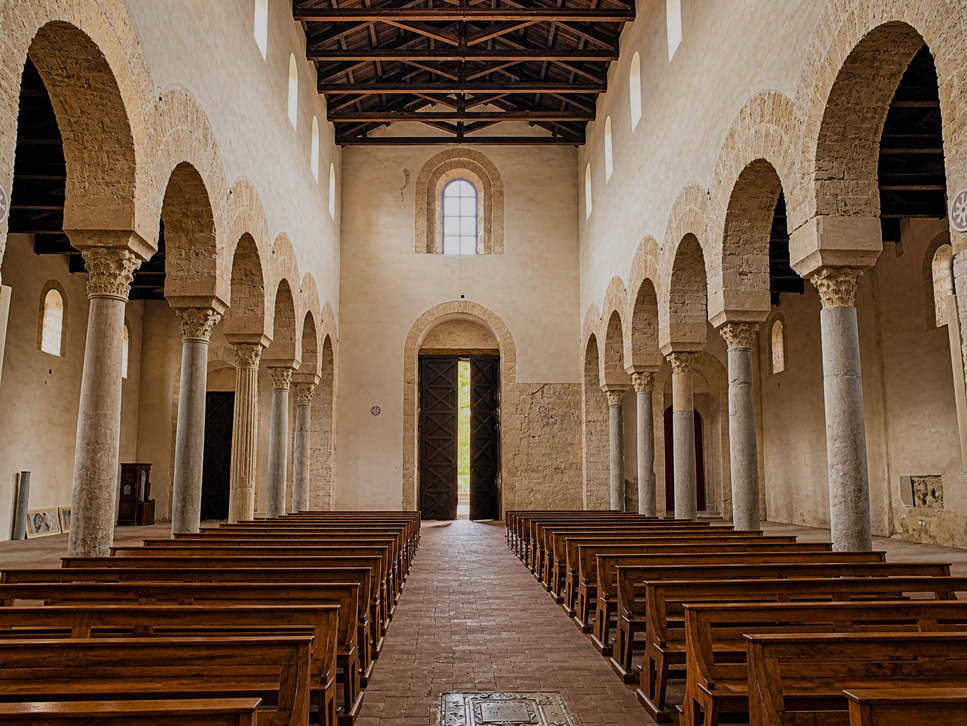
The interior immediately impresses with its grandeur. The basilica is divided into three naves by two rows of marble columns with capitals different from one another, many of which come from ancient Greco-Roman buildings. The tall arches and broad proportions create an evocative and solemn atmosphere, made even more fascinating by the soft light filtering through the windows.
Over the centuries the cathedral underwent numerous works and transformations. During the Baroque period, decorations, altars, and stuccoes were added, partly altering the original medieval appearance. However, between the nineteenth and twentieth centuries, major restorations made it possible to recover much of the original Norman structure, removing many later additions and bringing to light the building’s ancient austerity.
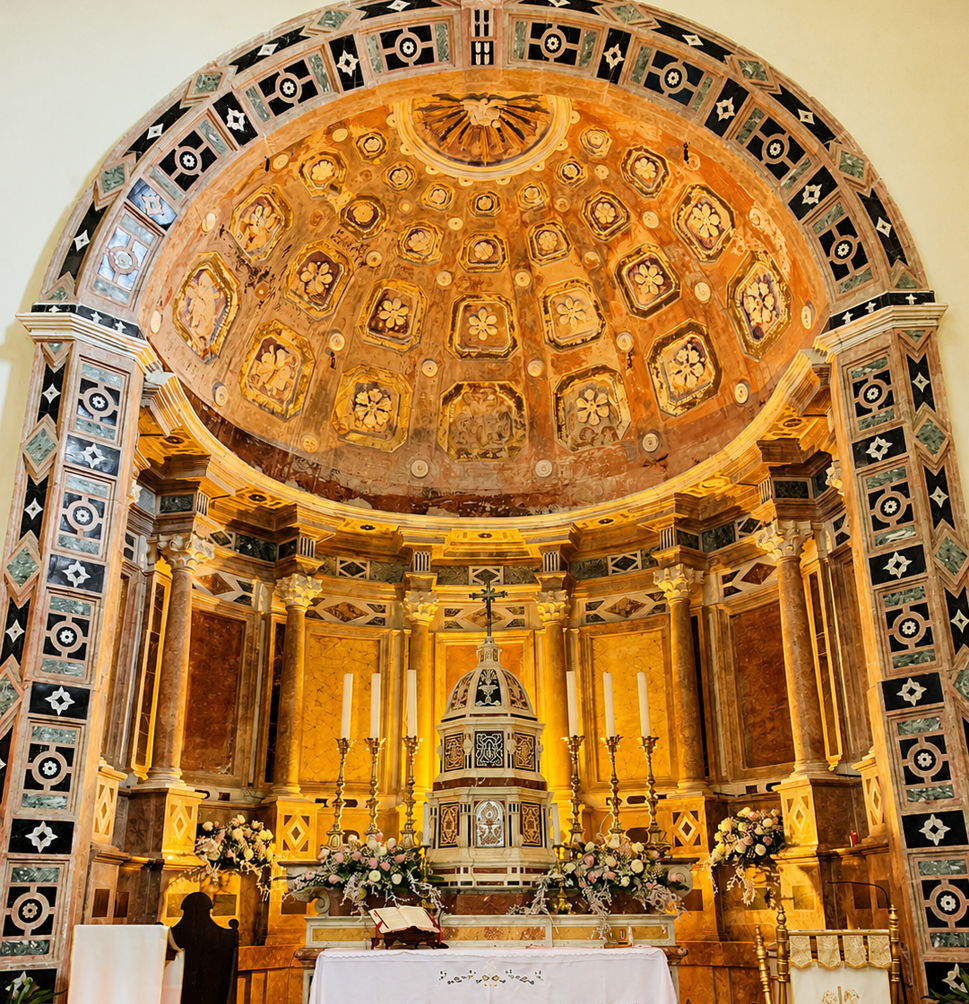
Among the cathedral’s most precious features is the splendid Chapel of the Most Holy Sacrament, distinguished by refined Baroque decorations and precious polychrome marbles. Of particular value is also the cathedral treasury, which preserves ancient reliquaries, sacred furnishings, and works of art of great historical importance.
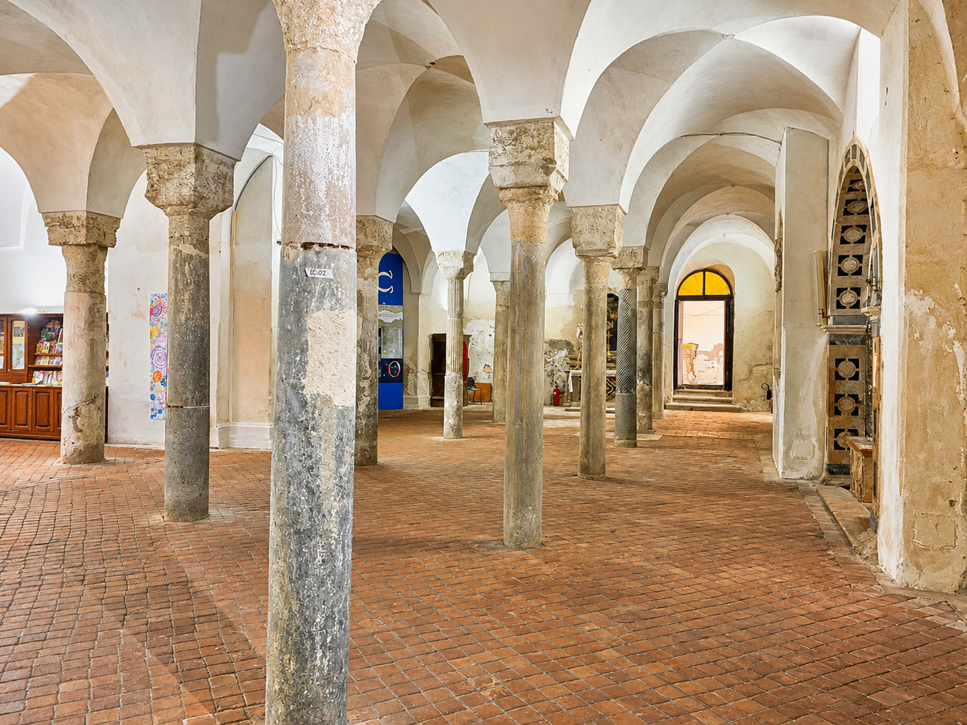
One of the most evocative settings is the crypt, located beneath the presbytery. This space, with a Greek-cross plan, is supported by 26 columns from the imperial age that uphold the vault of the cathedral’s oldest core, and still preserves a mystical, silent atmosphere today. In the past the crypt housed tombs of bishops and local nobles and was one of the most sacred places in the entire religious complex.
The crypt houses the chapel of Our Lady of Itria, a small space obtained from a rock-cut church, with a barrel vault and marble decorations.
Also very charming is the square in front of the cathedral, from which you can enjoy a splendid view of the Calabrian Ionian coast and the Locride valley. The church’s commanding position in fact also contributed to the defensive role of the medieval village.
Today the Cathedral of Gerace is one of Calabria’s most visited monuments and is considered one of the most important testimonies of the Norman-Byzantine era in southern Italy. Visiting this extraordinary building means immersing yourself in the region’s medieval history, amid sacred art, ancient architecture and breathtaking views that make Gerace one of Italy’s most beautiful villages.
Want to learn more about the history and places to visit in Gerace?
Fill out the form and I will provide you for free with all the necessary info.
Discover the surroundings…
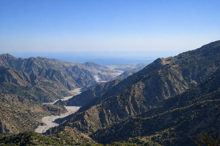
ASPROMONTE NATIONAL
PARK
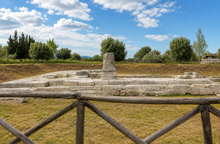
LOCRI ARCHAEOLOGICAL PARK
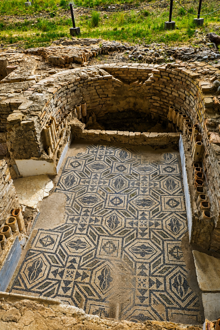
ROMAN VILLA OF CASIGNANA
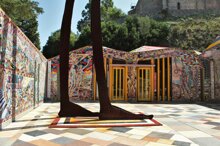
MUSABA