Fiery sunsets
Wonderful views

Let yourself be embraced by the warmth of Calabria, where every glance stirs emotion, every encounter feels like a hug, and beauty surprises you at every step.
CALABRIA
O N T H E R O A D
CALABRIA
RoadCalabria
O N T H E R O A D
Italy's most authentic region!
ROADCALABRIA
CONTACTS
EXPLORE
Ideas, itineraries and places to discover, to experience Calabria on the road
Discovering the Sibaritide: 3 days to explore its wonderful treasures
Follow us on Instagram
Home
Itineraries
info@roadcalabria.it
Villages
What you’re looking for
CALABRIA
O N T H E R O A D
Beaches
Did you know that
A very rich heritage ranging from archaeology to art and nature.
Art, History, Culture
Useful Links
National Parks
Write to us
Trekking
Some of the images on RoadCalabria come from the 'Calabria Straordinaria' portal of the Calabria Region and are used under a CC-BY license
© 2026 RoadCalabria
The Sibaritide is one of Calabria’s richest and most fascinating areas, a land where ancient history, culture and landscapes blend in a unique way. Set along the Ionian coast and on the slopes of the Pollino, this region preserves extraordinary traces of Magna Graecia, historic villages, age-old traditions and natural wonders still little known to mass tourism.
This 3-day itinerary in the Sibaritide is designed to offer you a complete experience: from the ruins of ancient Sybaris to medieval villages, all the way to karst caves and the striking landscapes of the inland. An authentic trip, perfect for those who want to discover a different Calabria, rich in history and identity.
Day 1: Sibari and Cassano all’Ionio, Magna Graecia and nature
The first day is dedicated to the origins of the Sibaritide, starting from the Archaeological Park of Sibari, one of the most important sites of Magna Graecia. Founded by the Achaeans in 720 BC, Sybaris was one of the richest and most powerful colonies of Magna Graecia. The city was famous throughout the ancient world for its luxury and prosperity, so much so that it became synonymous with wealth and refinement. Today you can visit the Archaeological Park of ancient Sybaris, where the remains of different historical phases overlap, including Sybaris, Thurii and Copia, evidence of the destructions and refoundations that occurred over the centuries.
Walking among the ruins, you can observe urban layouts, remains of public buildings and infrastructures that tell the daily life of one of the most important cities of the Greek world. The archaeological museum completes the visit with finds, ceramics and objects that give back a vivid picture of Sybarite civilization.
A few hundred meters from the Archaeological Park, you can visit the beautiful National Archaeological Museum of the Sibaritide, which preserves countless finds from the cities that followed one another, and among these stands out the Cozzante Bull, a precious Greek bronze statuette from the 5th–4th century BC found in 2004, depicting a bull in the act of charging. A symbol of fertility, strength and of the colony of Thurii, the artifact represents cultural continuity between the Magna Graecian and Roman civilizations.
In the afternoon you move to Cassano all’Ionio, where you can visit the spectacular Sant’Angelo Caves, a karst complex that develops underground among stalactites, stalagmites and evocative chambers. A different experience than usual, which lets you discover a hidden side of Calabria.
The day can continue in Cassano’s historic center, among alleys, panoramic views, the majestic Cathedral, the Basilica of the Nativity of the Blessed Virgin Mary of the Lauro, one of the main places of worship in the area, rich in history and spirituality, and the Sanctuary of Santa Maria della Catena.
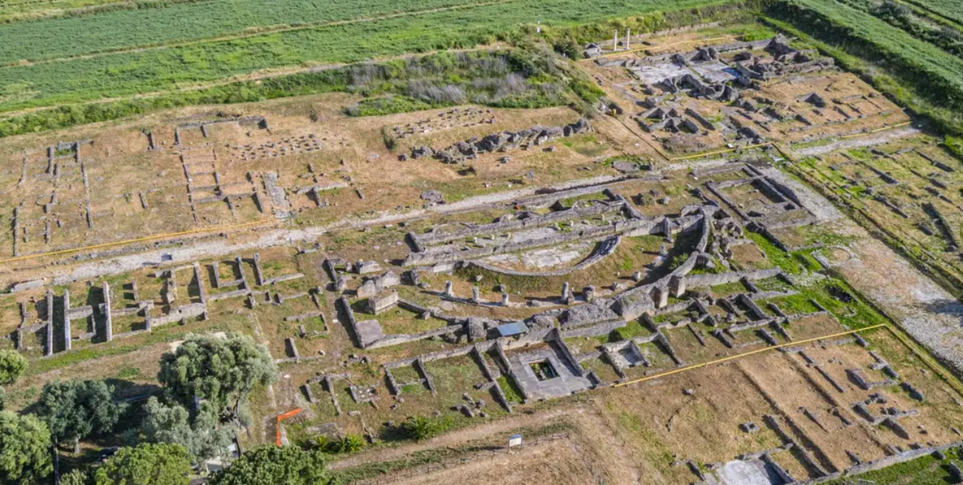
Photo by: Calabria Straordinaria
Day 2: Corigliano and Rossano, between castles and Byzantine soul
The second day is devoted to discovering Corigliano and Rossano, now merged into a single city but with clearly distinct historical identities.
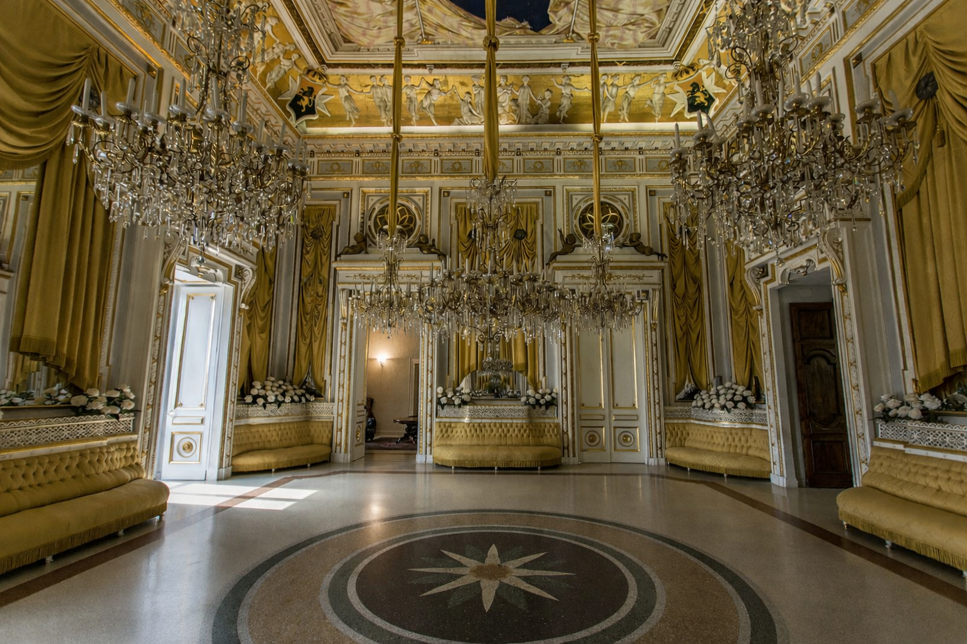
In Corigliano, the star is the Ducal Castle, one of Calabria’s best-preserved noble residences. Visiting it, you can admire frescoed rooms, the evocative Hall of Mirrors and panoramic views over the Sibari Plain. The historic center also offers churches and distinctive corners worth a stroll.
In the afternoon you continue on to Rossano, a town with a strong Byzantine past. Here you can visit the Cathedral, which houses the icon of the Madonna Achiropita, symbol of the city, and discover the famed Codex Purpureus, one of the world’s oldest illuminated Gospels, a UNESCO treasure in the Memory of the World register.
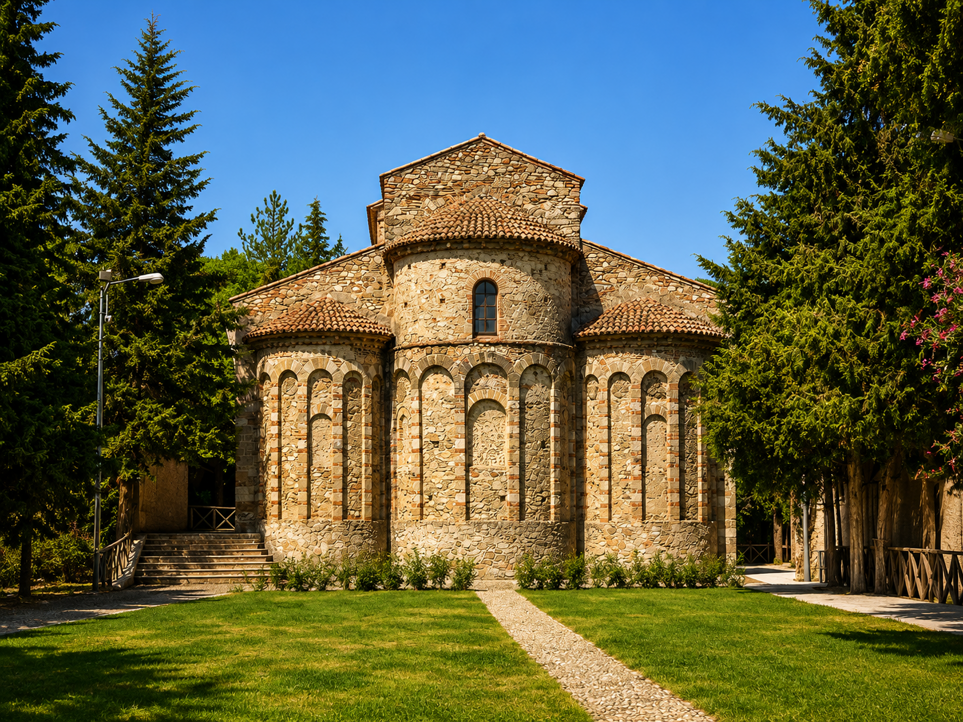
Also not to be missed is the church of San Marco, one of the most significant examples of Byzantine architecture in Calabria (recalling the famous Cattolica di Stilo), and the old town, made up of alleys, squares and traces of a rich, layered past.
The day can end with a visit to the Abbey of Santa Maria del Patire, set in greenery and perfect for a moment of peace and contemplation.
Paolo Musacchio - Wiki - CC BY-SA 4.0
Day 3: Civita and the wonders of the inland
For the third day, you can choose to head inland and discover one of Calabria’s most charming villages: Civita, located in the heart of the Pollino National Park.
Civita is one of the main centers of Arbëreshë culture, and still preserves its language, traditions, and unique architecture. Walking through its little lanes you can admire the distinctive Kodra houses, buildings with anthropomorphic shapes that make the village truly original.
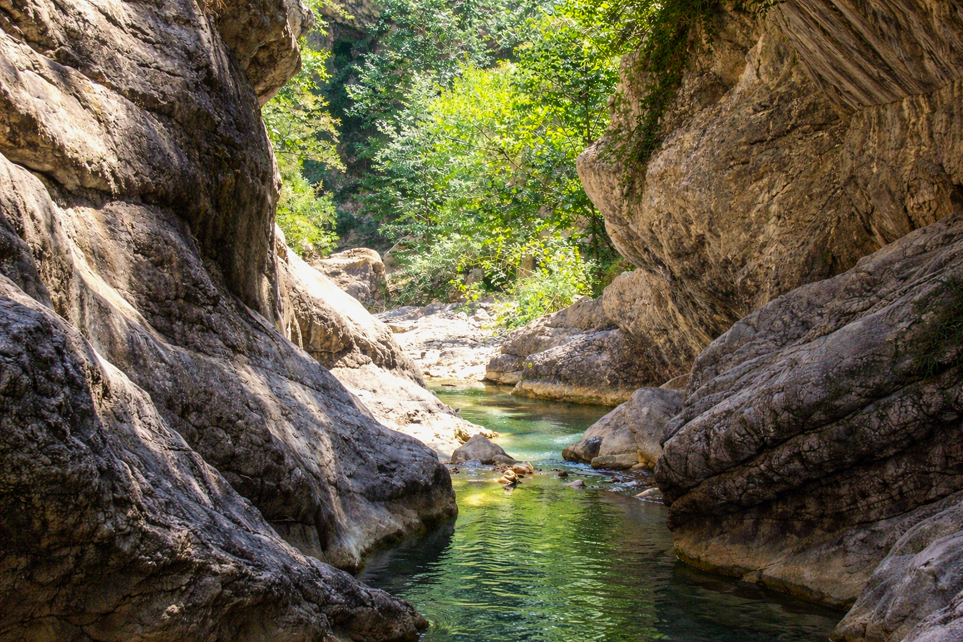
Just a short walk from the center is the striking Devil’s Bridge over the Raganello stream, one of the area’s most iconic sights. From here, nature trails also set off to explore the Raganello Gorges, among canyons, crystal-clear water, and spectacular scenery.
Alternatively, if you prefer a more relaxed pace, you can spend the day at the sea, enjoying the wide beaches of the Ionian coast, perfect for ending the trip between relaxation and nature.
Want to learn more about the history and places of Magna Graecia?
Click here and you’ll find much more, or alternatively fill out the form and I will provide you for free with all the necessary info.