Fiery sunsets
Wonderful views

Let yourself be embraced by the warmth of Calabria, where every glance stirs emotion, every encounter feels like a hug, and beauty surprises you at every step.
CALABRIA
O N T H E R O A D
CALABRIA
RoadCalabria
O N T H E R O A D
Italy's most authentic region!
ROADCALABRIA
CONTACTS
EXPLORE
Ideas, itineraries and places to discover, to experience Calabria on the road
Magna Graecia in Calabria: history, ancient cities and places to visit
Follow us on Instagram
Home
Itineraries
info@roadcalabria.it
Villages
What you’re looking for
CALABRIA
O N T H E R O A D
Beaches
Did you know that
Sibari, Locri, Crotone and Reggio Calabria. A journey into the roots of the Mediterranean.
Art, History, Culture
Useful Links
National Parks
Write to us
Trekking
Some of the images on RoadCalabria come from the 'Calabria Straordinaria' portal of the Calabria Region and are used under a CC-BY license
© 2026 RoadCalabria
Magna Graecia represents one of the most extraordinary historical legacies of the Mediterranean. Between the 8th and 6th centuries BC, settlers from Greece founded many cities along the coasts of southern Italy, creating a thriving civilization that would profoundly influence the culture, art, and thought of the ancient world.
Even today, the lands of southern Italy preserve remarkable traces of that era. Temples, archaeological parks, museums, and ancient cities tell an age-old story that still lives on in the landscape and in the cultural identity of Southern Italy.
For those who love history and cultural tourism, discovering the sites of Magna Graecia in Calabria means embarking on a fascinating journey among ancient ruins, archaeological museums, and Mediterranean landscapes where Greek civilization has left a deep mark.
The history of Magna Graecia
Magna Graecia began when Greek settlers started colonizing the coasts of southern Italy between the 8th and 7th centuries BC. The reasons were varied: the search for fertile land, the development of trade, and the expansion of Greek city-states across the Mediterranean.
The colonies founded in southern Italy quickly became important cultural and commercial centers. In these cities, philosophy, mathematics, medicine and art flourished, contributing decisively to the development of Western civilization.
Among the most famous figures associated with Magna Graecia was Pythagoras, the great philosopher and mathematician who founded his school in Crotone, transforming the city into one of the most important intellectual centers of the ancient world.
Over the centuries these cities prospered thanks to Mediterranean trade, until Rome gradually began conquering southern Italy from the 3rd century BC, eventually integrating the Greek colonies into the Roman world.
Where Magna Graecia is located
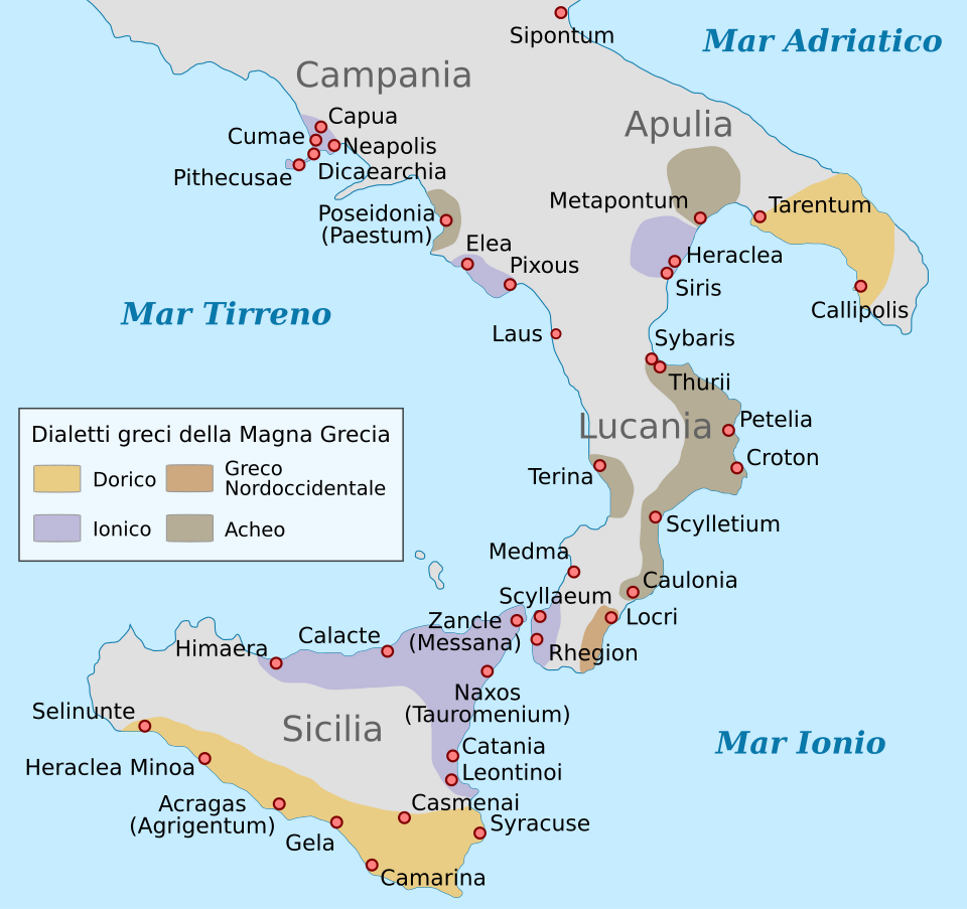
The territory of Magna Graecia covered much of southern Italy and Sicily, with colonies established along the coasts of the Ionian and Tyrrhenian Seas.
The main regions involved were:
- Calabria, one of the areas with the highest concentration of Greek colonies
- Sicily, home to remarkable cities such as Syracuse and Agrigento
- Apulia (Puglia), an important commercial hub in the Mediterranean
- Campania, where Greek cities such as Cumae and Neapolis (modern-day Naples) were founded
Among these regions, Calabria occupied a strategic position in the Mediterranean and hosted some of the most important cities of Magna Graecia.
Magna Graecia in Calabria
La Calabria fu uno dei territori centrali della Magna Grecia. Le colonie greche sorsero soprattutto lungo la costa ionica, dove i coloni trovarono porti naturali, pianure fertili e rotte commerciali ideali per lo sviluppo delle città.
Nel corso dei secoli queste colonie divennero centri prosperi e influenti, collegati tra loro da commerci e scambi culturali.
Molti dei resti di queste città sono oggi visitabili nei parchi archeologici della Calabria, che conservano alcune delle testimonianze più importanti della presenza greca in Italia.
Tra le principali città della Magna Grecia in Calabria si ricordano:
- Sybaris (Sibari)
- Kroton (Crotone)
- Locri Epizefiri (Locri)
- Rhegion (Reggio Calabria)
- Kaulon (Monasterace)
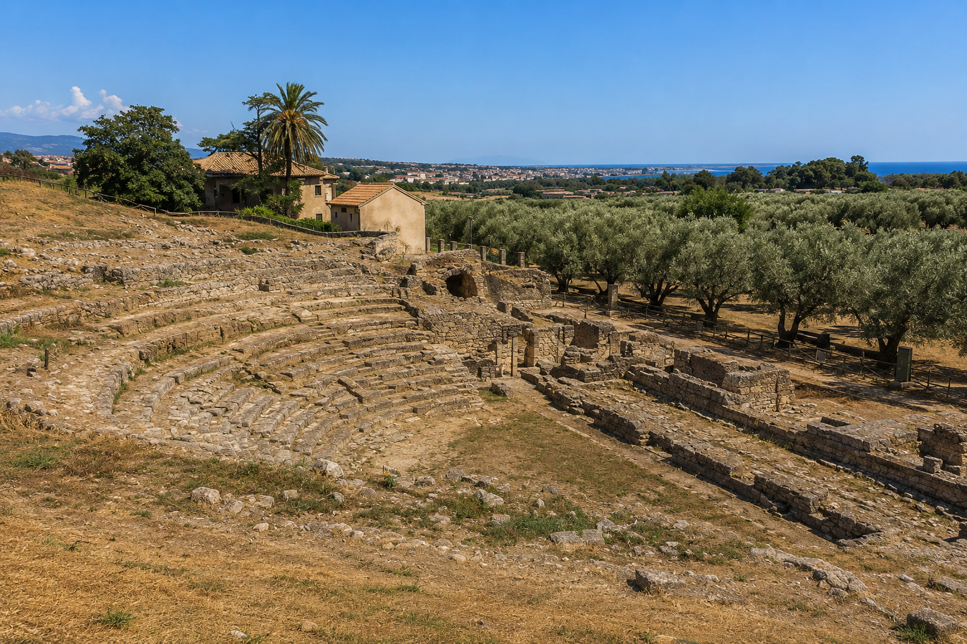
- Skylletium (Scolacium)
The main cities of Magna Graecia in Calabria
Sibari, the city of wealth
Founded in the 8th century BC, Sybaris was one of the richest and most powerful cities of Magna Graecia. Its name has remained in history as a symbol of prosperity and luxury.
Today, the Archaeological Park of Sibari preserves the remains of the ancient city, including streets, public buildings and residential districts that tell the story of life in this Greek colony.
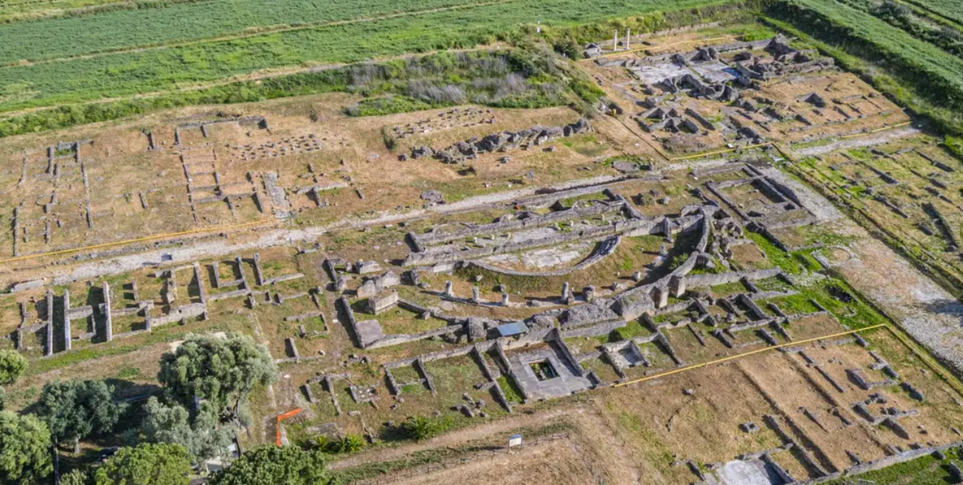
Photo by: Calabria Straordinaria
Crotone, the city of Pythagoras
Crotone was one of the most important cultural centers of Magna Graecia. It was here that the philosopher Pythagoras founded his famous philosophical school. The city was also renowned for its athletes and for its participation in the Olympic Games of ancient Greece.
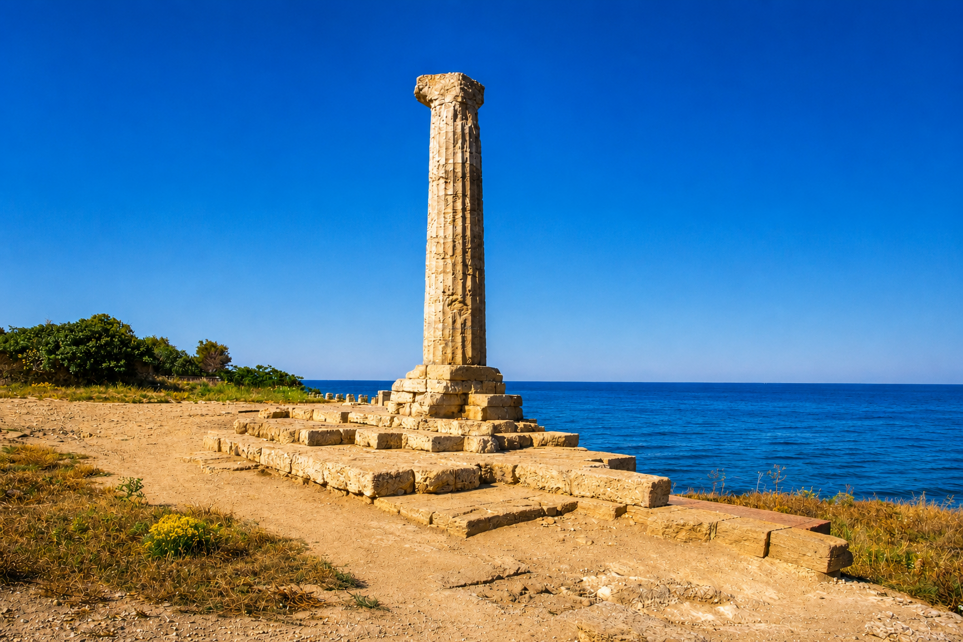
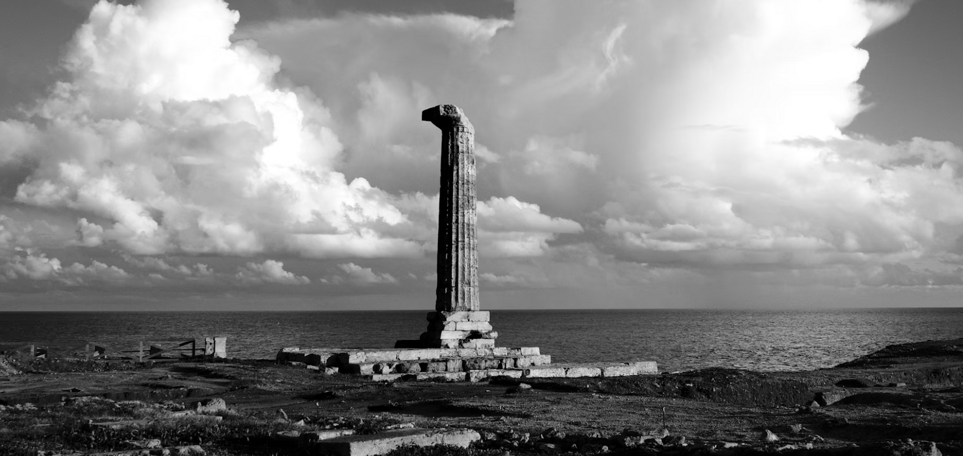
The archaeological excavations of Ancient Kroton within the city, as well as the promontory of Capo Colonna, home to the archaeological park of the same name, preserve some of the most remarkable treasures of this powerful city of Magna Graecia.
Rhegion: present-day Reggio Calabria
Modern-day Reggio Calabria was founded as a Greek colony under the name Rhegion. Thanks to its strategic position on the Strait of Messina, the city became an important commercial and cultural center.
Today, Reggio Calabria is home to one of the most important archaeological museums in Italy.
Locri Epizefiri: religion and art
Locri Epizefiri is one of the best-preserved archaeological sites of Magna Graecia.
The site preserves temples, city walls and sanctuaries, including the famous Sanctuary of Persephone. Locri is also renowned for its pinakes, refined terracotta votive tablets decorated with scenes from Greek mythology.
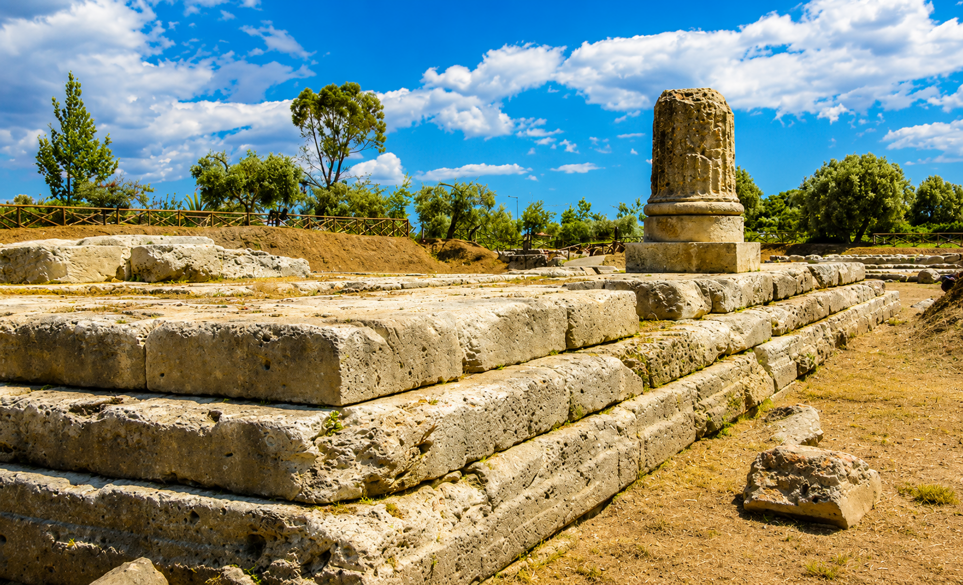
Photo by: Calabria Straordinaria
The archaeological parks of Magna Graecia in Calabria
Calabria is home to several archaeological parks that allow visitors to explore the ancient cities of Magna Graecia set within extraordinary landscapes.
Among the most important sites are:
- Archaeological Park of Sibari, one of the largest archaeological sites of Magna Graecia
- Archaeological Park of Locri Epizefiri, featuring temples, sanctuaries and ancient city walls
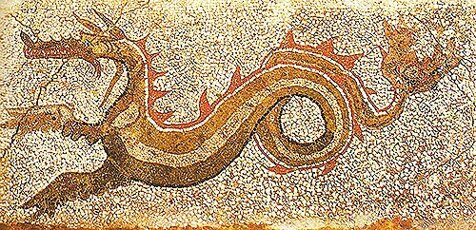
- Archaeological Area of Kaulon in Monasterace, famous for its large Hellenistic mosaic
- Archaeological Park of Capo Colonna in Crotone, where the famous Temple of Hera Lacinia stands overlooking the sea
- Archaeological Park of Scolacium, near Catanzaro
The latter deserves special mention: the ancient city was originally founded as a Greek colony under the name Skylletion and later became the Roman colony of Scolacium. Today, the archaeological park preserves impressive Roman remains, including a theatre, an amphitheatre, and the imposing Norman basilica of Santa Maria della Roccella.
The museums of Magna Graecia in Calabria
To fully understand the greatness of Magna Graecia, it is essential to visit the archaeological museums of Calabria, where artifacts from the ancient Greek cities are preserved.
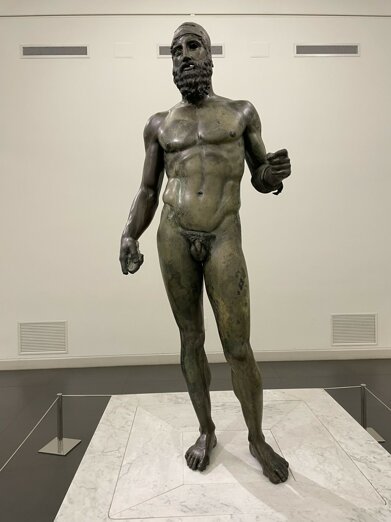
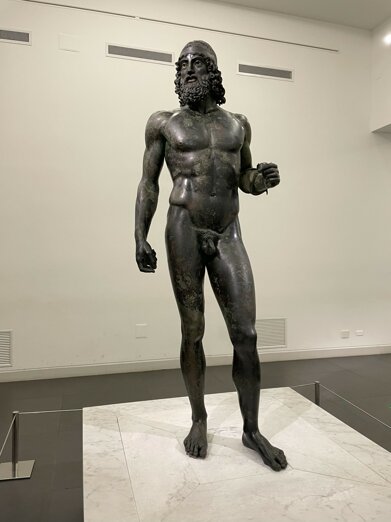
The most important is the National Archaeological Museum of Reggio Calabria, world-famous for housing the Riace Bronzes, two masterpieces of Greek sculpture dating back to the 5th century BC.
Other important museums include:
- National Archeological Museum of the Sibaritide
- Archeological Museum of Crotone
- Archeological Museum of Locri
- Archeological Museum of Vibo Valentia
- Archeological Museum of Monasterace
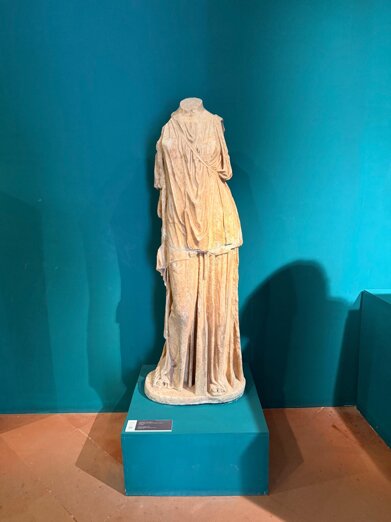
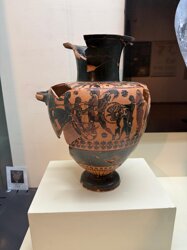
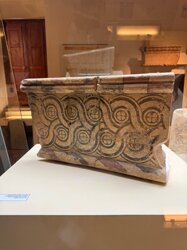
These museums preserve ceramics, statues, coins and everyday objects that tell the story of daily life in the Greek colonies.
A journey through today’s Magna Graecia
Today, Magna Graecia represents one of the most fascinating cultural experiences to discover in Calabria. The archaeological sites are set within extraordinary landscapes of crystal-clear seas, green hills and ancient Mediterranean villages.
Visiting these places means discovering an authentic Calabria, where history, archaeology and nature come together. From archaeological parks to museums that preserve millennia-old treasures, Magna Graecia continues to tell a story that belongs not only to Calabria, but to the entire Mediterranean.
For those who love history, archaeology and cultural tourism, Calabria is one of the most surprising destinations in Italy.
Do you want to find out how to include this destination in your trip to Calabria?
Fill out the form: I will help you for free to build the right itinerary for you.
Are you interested in Magna Graecia? Discover this itinerary!