Fiery sunsets
Wonderful views

Let yourself be embraced by the warmth of Calabria, where every glance stirs emotion, every encounter feels like a hug, and beauty surprises you at every step.
CALABRIA
O N T H E R O A D
CALABRIA
RoadCalabria
O N T H E R O A D
Italy's most authentic region!
ROADCALABRIA
CONTACTS
EXPLORE
Ideas, itineraries and places to discover, to experience Calabria on the road
Follow us on Instagram
Home
Itineraries
info@roadcalabria.it
Villages
What you’re looking for
CALABRIA
O N T H E R O A D
Beaches
Did you know that
Art, History, Culture
Useful Links
National Parks
Write to us
Itinerary Green Road
Trekking
Mountain - 7 Days
Some of the images on RoadCalabria come from the 'Calabria Straordinaria' portal of the Calabria Region and are used under a CC-BY license
© 2026 RoadCalabria
A full immersion in the three wonderful national parks of Calabria: Pollino, Sila, Aspromonte
This itinerary is, in a sense, a shorter version of The Parks Route. It is still designed for mountain lovers, but intended for those who have a few days less at their disposal.
The idea is a quicker tour of the three great national parks: the Pollino National Park, the gateway to Calabria from the north; the Sila National Park, the so-called “great forest of Italy”; and finally, the Aspromonte National Park, at the southern tip of the Italian peninsula, whose slopes descend directly into the waters of both the Tyrrhenian and Ionian seas. All three parks are rich in biodiversity and possess their own unique geological features, so much so that they are all protected by UNESCO: Pollino and Aspromonte as UNESCO Global Geoparks, and Sila as a UNESCO Biosphere Reserve.
On this journey, you will be able to admire and appreciate the natural wonders of this region, the diversity of landscapes and scenery among the various parks, the breathtaking views, and geosites of outstanding natural significance. You’ll have the chance to enjoy hikes and outdoor sports of different kinds, explore the traditional villages of the hinterland, savor the typical cuisine of the mountains… slow down and embrace the gentle, unhurried rhythms of mountain life.
IWhat can I say… enjoy your trip!
Days 1 and 2 - Pollino National Park
Let’s go! We are at the northern gateway to Calabria, the Pollino National Park, one of the 11 UNESCO Geoparks in Italy. This national park is the largest in Italy, with over 192,565 hectares. It is a mosaic of majestic mountains, spectacular gorges, and plateaus that stretch to the horizon. Here grows the legendary Bosnian pine, a symbol of resilience and beauty, clinging to the rocks like a guardian of time. Here also rises the highest peak of the Pollino massif and of all Calabria, Serra Dolcedorme, which reaches 2,267 meters above sea level.
Among ancient villages, crystal-clear rivers, and endless trails, Pollino offers authentic emotions, combining the rugged strength of nature with the depth of a land steeped in history and traditions.
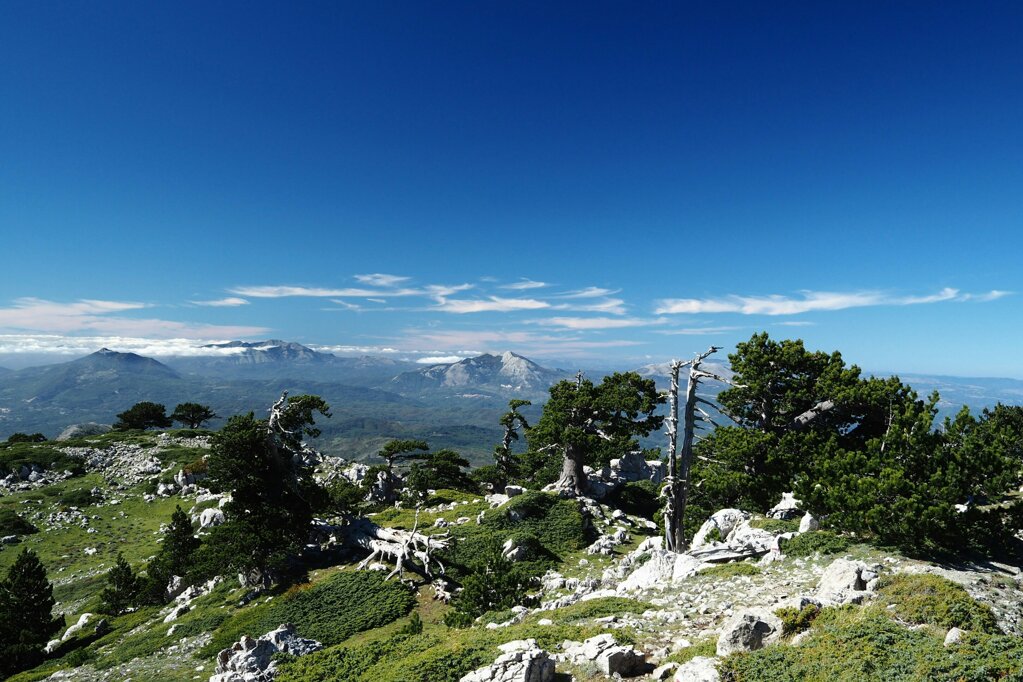
Naturally speaking, you will find many areas of great beauty and geological value; to name a few: Piani di Ruggio, a grassy plateau at 1500 meters, perfect for breathtaking views of the Pollino massif and Orsomarso; Piani di Pollino: the wild heart of the park, surrounded by woods and imposing peaks, starting point for climbing Serra di Crispo and Monte Pollino; Serra di Crispo and Giardino degli Dei, an iconic place where the centuries-old loricate pines grow, true natural monuments that seem sculpted by the wind; Gole del Raganello, a spectacular canyon between Civita and San Lorenzo Bellizzi, with dizzying walls and crystal-clear streams; Valle del Fiume Lao, ideal for hiking and rafting, immersed in lush woods and wild landscapes; Monte Alpi (on the Lucanian side), isolated and panoramic, offers a magnificent view of the entire park and the Tyrrhenian Sea on clear days; Bosco Magnano, an area of beech and monumental maple trees, with cool and unspoiled environments.
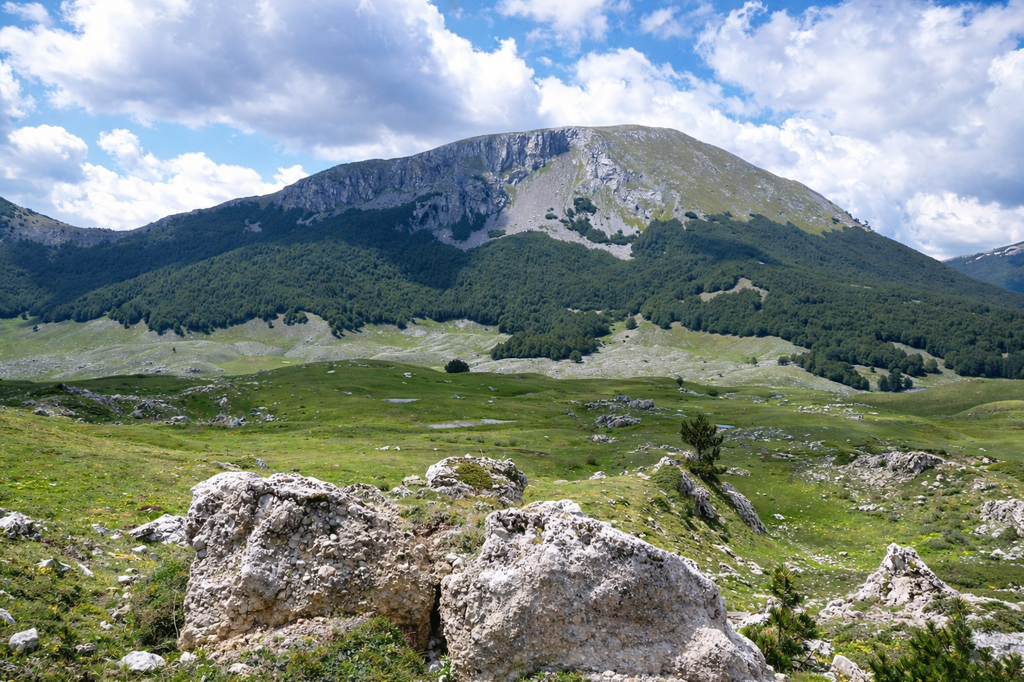
Within the Pollino National Park you can enjoy various hiking activities, treks of different lengths and difficulties, visit places steeped in history, explore incredible gorges, practice sports, and much, much more. I'll just give you a few pointers, but on this site you'll find all the details: if you love sports, you can go rafting or canyoning on the Lao river (here), in Laino Borgo, surrounded by breathtaking scenery. If you prefer trekking and trails, take a look here. If you are interested in nature at its finest, you can visit the nature reserve of the Raganello gorges and admire incredible canyons as well as the beautiful and mysterious Devil's Bridge; or the Romito Cave, where nature intertwines with history, and where you can visit an archaeological site dating back to the Upper Paleolithic containing one of the oldest examples of prehistoric art in Italy, the Bos primigenius, a graffito on a large boulder depicting a majestic bovine; if you want to enjoy a bit of relaxation, and feel like you're in Provence for a few hours, you can visit the beautiful Lavender Park; the Sanctuary of Santa Maria delle Armi, a monumental complex from the 10th century located over a thousand meters high, will move you and offer you wonderful views. If you want to immerse yourself in the local culture and discover the traditions of the area, you'll find plenty of villages... I'll barely mention four, perhaps the main ones, but I assure you there are many and all of them are wonderful.
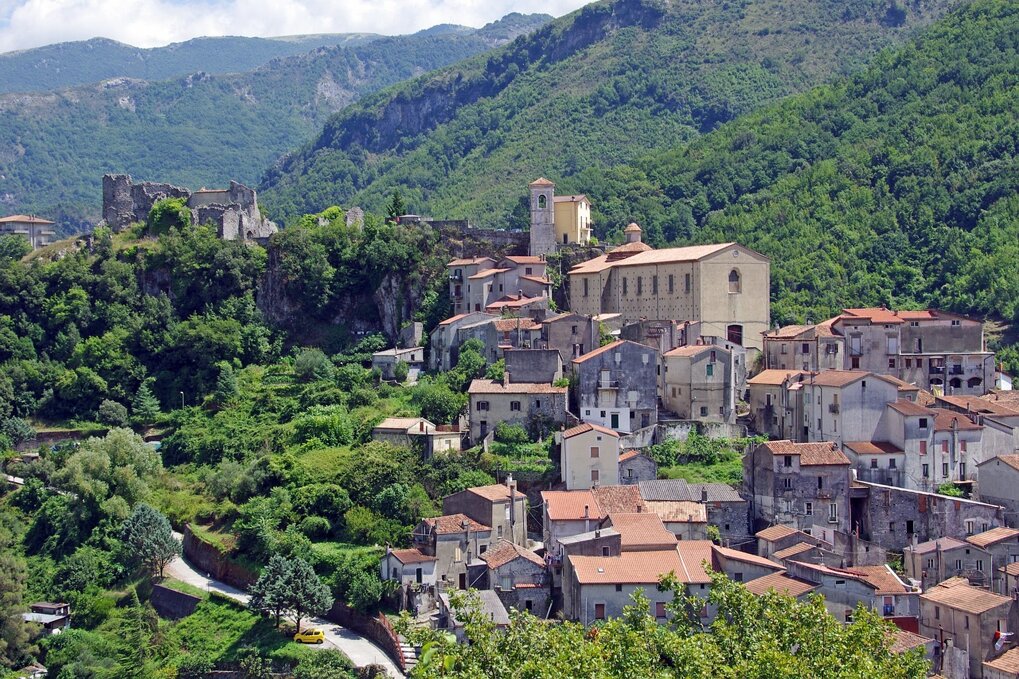
Morano Calabro, one of the most beautiful villages in Italy, will surprise you with its landscapes, artistic heritage, and its millenary history. Here you can visit the Church of Saints Peter and Paul, the Collegiate Church of Santa Maria Maddalena with the marvelous polyptych by Bartolomeo Vivarini, the Monastery of San Bernardino da Siena, the Norman-Swabian Castle, and much more. You can also go for a nice trek and visit the remains of the Colloreto Monastery, or visit the caves of San Paolo. And you can also enjoy delicious typical dishes in characteristic farmhouses. Altomonte, also among the most beautiful villages in Italy, just like Morano, will surprise you with its history and art; among the splendid Church of Santa Maria della Consolazione, the Church of San Francesco di Paola, the Convent of the Minims, the Dominican Convent, and the Civic Museum, it will give you beautiful moments of art. Here too, the gastronomic traditions are very interesting and I suggest you make a pit stop in one of the many farmhouses.
Civita will surprise you with its Arbëreshë culture, which you can learn more about here (link), its charming Kodra houses, and breathtaking views, such as those over the Raganello gorges and the Devil's Bridge. Cerchiara, finally, is a maze of little alleys and wonderful views, where you can taste the famous Cerchiara bread, and visit the aforementioned Sanctuary of Santa Maria delle Armi.
Days 3, 4 and 5 - Sila National Park
We continue, heading a few dozen kilometers further south. The Sila National Park, the tenth Italian UNESCO biosphere reserve, is an enchanted plateau, a green sea of forests stretching between sparkling lakes and gentle peaks. Here the landscape opens up into vast silent expanses, with waterways reflecting the sky and tall conifers outlining the horizon. In certain glimpses, the atmosphere recalls northern forests and landscapes, a sense of remoteness and purity that surprises those who do not expect it. It is the ideal place for those seeking peace, slow walks, and views that seem to come from another world.
From a naturalistic point of view, these are some of the reserves and natural areas I suggest: Biogenetic Nature Reserve of the “Giants of Sila”, a FAI-protected area that includes majestic larch pines and centuries-old maples, some over 40 meters tall and more than 350 years old; Lake Cecita, the largest lake in Sila, surrounded by woods and meadows, habitat for numerous bird species; Lake Ampollino, a body of water nestled between mountains and forests, ideal for walks and sports activities; Lake Arvo, a place of great charm, perfect for excursions, boat trips, and birdwatching; Tre Faggi Nature Reserve, characterized by monumental trees and mixed woods of beech, fir, and pine; Gariglione Nature Reserve, one of the richest from a botanical point of view, with rare and protected species; Macchia della Giumenta – S. Salvatore Nature Reserve, important for biodiversity, with landscapes that combine woods and pastures; Golia-Corvo Nature Reserve, kingdom of Sila’s fauna, with the possibility of spotting deer, wolves, and roe deer; Poverella-Villaggio Mancuso Nature Reserve, famous for its larch pine forests and picnic areas immersed in nature; Monte Botte Donato (1928 m), the highest peak in Sila, panoramic and evocative, from which the view embraces the entire plateau; the nature reserve of the Valli Cupe and its canyons, in the pre-Sila area of Catanzaro; the mysterious site of the Pietre dell’Incavallicata, known as the Giants of Campana.
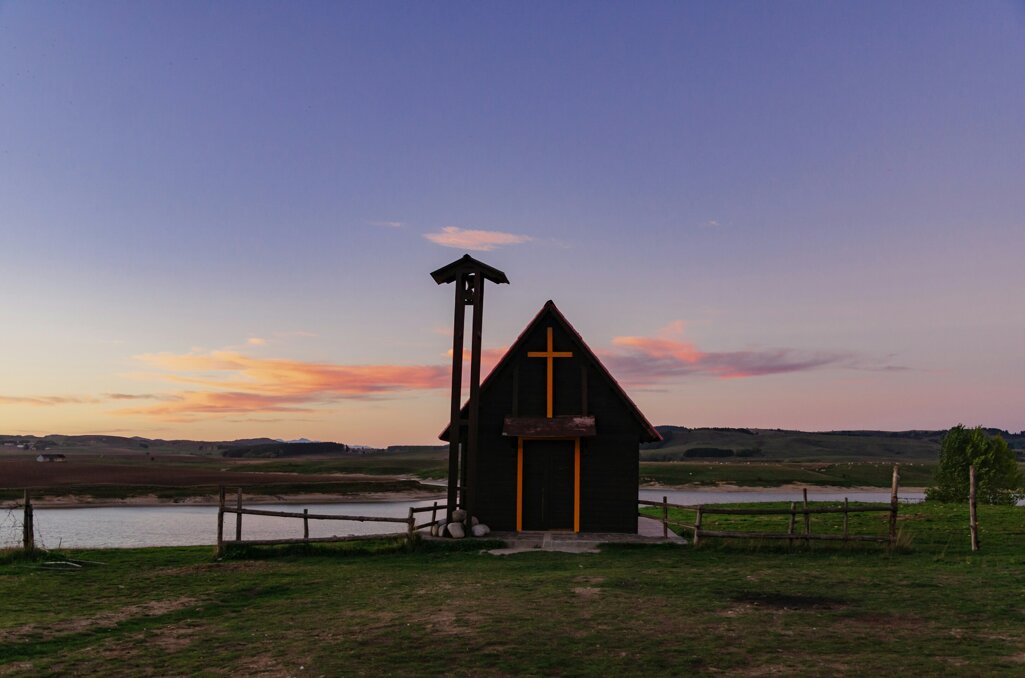
Inside the park you can do various activities, clearly of a hiking nature along the dozens of trails and routes (here), as well as cycling routes (also with e-bikes), lake sports, or even skiing if you find yourself in Sila during the winter season (here).
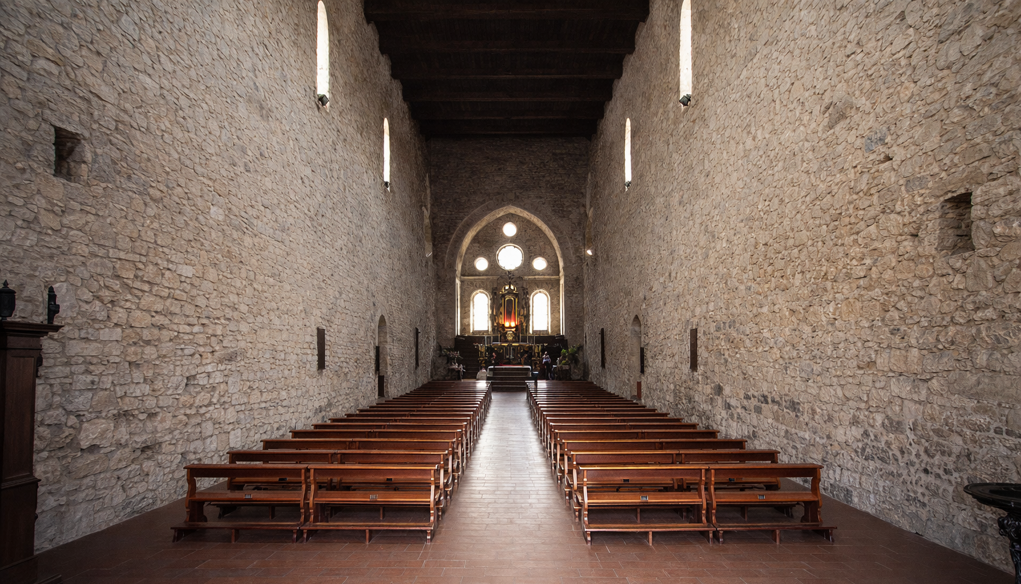
Camigliatello Silano and Lorica are the main locations in the heart of Sila, typical mountain villages where wooden houses and cabins dominate the scene. Here you will also find several trattorias where you can try the delicious typical Silan cuisine. Longobucco, located in the Greek Sila and home to the National Park authority, is a village with authentic charm, known for its ancient weaving craft traditions and the wild nature that surrounds it. Walking through its stone alleys, you can feel the soul of a town that preserves history, culture, and unspoiled landscapes. San Giovanni in Fiore, on the other hand, is a village rich in history and spirituality, founded by Abbot Joachim of Fiore, a medieval mystic and visionary. Today it houses the majestic Florense Abbey and retains an authentic soul, suspended between faith, nature, and ancient traditions.
Days 6 and 7 - Aspromonte National Park
Next stop… Aspromonte ! The Aspromonte National Park, also a UNESCO Global Geopark, is a world suspended between sky and sea, where majestic mountains plunge into wild and unspoiled nature. Among ancient forests, hidden waterfalls, riverbeds, villages, and deep valleys, every trail tells stories of legend and tradition. Here, nature inspires silence and wonder, and every glimpse seems sculpted by ancient hands, offering an intense and enveloping experience to those who cross it.
Within the Park, you can enjoy a wide variety of trails and trekking routes, ranging from beginner-friendly to very challenging ones suited for true experts, given the slopes and the unique morphology of the territory.
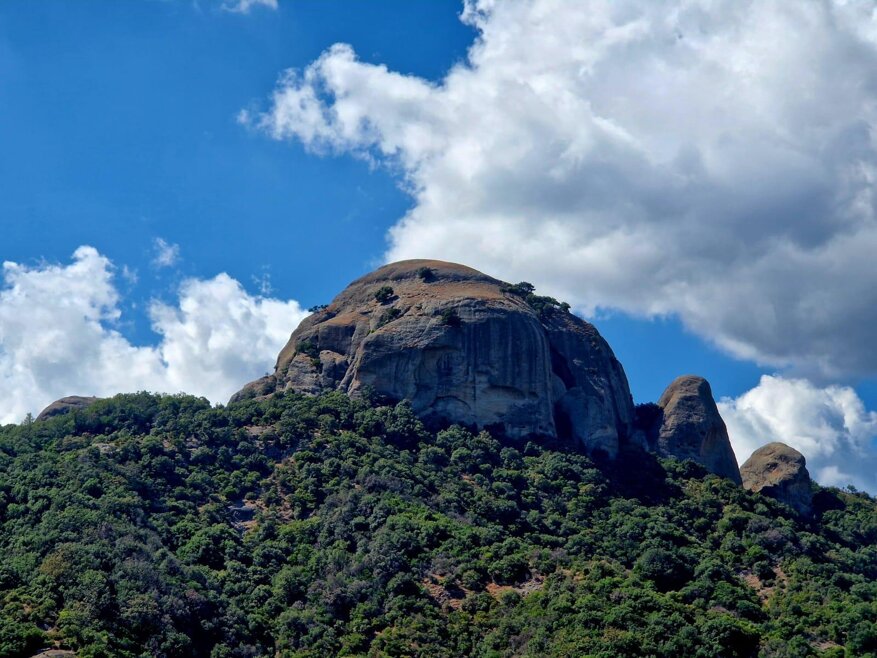
The park is home to numerous areas that stand out for both their natural beauty and geological importance. Among the most striking and relevant are: the Geosite of Rocca del Drako, an imposing rock formation with a possible origin linked to particular tectonic and geomorphological phenomena, also famous for its legendary allure; the Amendolea Riverbed – canyons and gorges carved by water over millennia, with clear evidence of sedimentation and erosion; Montalto (1955 m) – the highest peak of Aspromonte, geologically significant for its crystalline rocks and traces of ancient glacial erosion; the Valley of the Great Stones and Pietra Cappa – a unique rock outcrop, the tallest monolith in Europe; the Lamia Cave, the largest and most extensive hypogean formation known in the province of Reggio Calabria; the spectacular Maesano or Amendolea Waterfalls, as well as the Forgiarelle Waterfalls, and the Mundu and Galasia Waterfalls; the Papaleo Gorge, a stunning canyon carved by the La Verde riverbed; the ancient forests and beech woods – which, beyond their natural value, reveal the geological history of the plateau and its soils; the Canyons of Motta San Giovanni and the Rocks of Santa Lena.
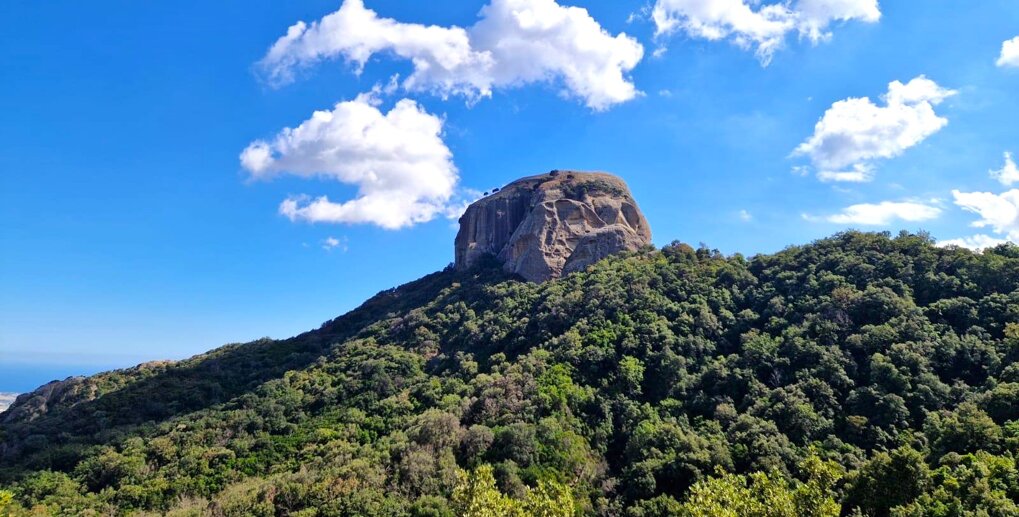
Gambarie represents the beating heart of the Aspromonte National Park. A lively mountain village, it offers hospitality and dining, and it is often the starting point for trekking and excursions, as well as a popular ski destination in winter.
Heading down towards the Ionian side, you’ll find the beautiful Gerace, a fantastic medieval village and a candidate to become a UNESCO World Heritage Site, which you can explore further here (link). Moving instead towards the Grecanic area, Bova, the capital of the so-called Bovesia, will amaze you with its traditions, beauty, and the ancient language still spoken there (ancient Greek…). Another corner of Greece in Italy is represented by Gallicianò, a place where time has truly stood still.
For the more adventurous, it’s possible to reach Roghudi Vecchio, a ghost village abandoned about 50 years ago after a devastating flood, perched high above the Amendolea Valley, offering breathtaking views. Finally, Pentidattilo, the ghost village par excellence, will captivate you with its mix of beauty and mystery.
Are you interested in this itinerary but would like to customize it?
Fill out the form: I will help you for free to define the perfect itinerary for you!