Fiery sunsets
Wonderful views

Let yourself be embraced by the warmth of Calabria, where every glance stirs emotion, every encounter feels like a hug, and beauty surprises you at every step.
CALABRIA
O N T H E R O A D
CALABRIA
RoadCalabria
O N T H E R O A D
Italy's most authentic region!
ROADCALABRIA
CONTACTS
EXPLORE
Ideas, itineraries and places to discover, to experience Calabria on the road
Locri: what to see between Magna Graecia, historic center, sea and villages of the Locride
Follow us on Instagram
Home
Itineraries
info@roadcalabria.it
Villages
What you’re looking for
CALABRIA
O N T H E R O A D
Beaches
Did you know that
Art, History, Culture
Useful Links
A city where the legacy of ancient Greece meets the charm of Calabria’s Ionian coast
National Parks
Write to us
Trekking
Some of the images on RoadCalabria come from the 'Calabria Straordinaria' portal of the Calabria Region and are used under a CC-BY license
© 2026 RoadCalabria
Overlooking the Ionian Sea, along Calabria’s eastern coast, Locri is one of the region’s most interesting destinations for those who love history, archaeology and the sea. The town preserves the legacy of Locri Epizefiri, one of the most important colonies of Magna Graecia, whose extraordinary past still lives on in the archaeological remains and the finds kept in local museums.
But Locri is not only a destination for lovers of ancient history. It is also a lively town, with a seafront facing the Ionian, beaches where you can spend pleasant summer days and an urban centre that tells a more recent story, closely linked to the development of the coast.
Visiting Locri means discovering two sides of Calabria: that of the great Greek cities that shaped the history of the Mediterranean, and that of today’s coastal towns, where traditions, landscapes and everyday life meet.
Its location also makes it easy to reach some of the most charming villages of the Locride area, including Gerace, Antonimina and other small inland centres.
Where Locri is located
Locri is located in the Metropolitan City of Reggio Calabria, along the southern Ionian coast, in the area commonly known as Locride.
The town overlooks the Ionian Sea directly and occupies a flat strip between the shoreline and the first inland hills, where the landscape gradually rises toward the mountains of the Aspromonte.
Locri is a short distance from Siderno and Marina di Gioiosa Ionica, while inland you can reach Gerace, one of Calabria’s most charming medieval villages.
The present-day town developed mainly along the coast, while ancient Locri Epizefiri stood a little farther south, in the area now occupied by the National Archaeological Park of Locri.
This closeness between the modern town and the ancient settlement is one of the most interesting aspects of the visit: in just a few minutes you move from today’s streets to traces of a civilization that lived over two thousand years ago.
The history of Locri: from Greek origins to the modern city
The history of Locri has its roots in the 8th–7th century BC, when Greek settlers from the region of Locris, in mainland Greece, founded on the Calabrian Ionian coast the city of Locri Epizephyrii. The colony quickly became one of the most important centers of Magna Graecia, standing out for its political organization, economic wealth, and cultural and religious prestige.
Among the most famous figures linked to the city is Zaleucus, traditionally remembered as one of the first lawmakers of the Greek world, to whom ancient sources attribute a written code of laws.
Locri Epizephyrii was also known for its sanctuaries, for artistic production, and for political and commercial ties with other cities of the Mediterranean. Particularly important was the cult of Persephone, venerated in one of the most renowned sanctuaries of Magna Graecia.
Over the centuries the city went through periods of prosperity and times of crisis, coming under Roman influence and undergoing the changes that affected southern Italy during late antiquity.
With the gradual decline of the coastal settlement, part of the population moved to more easily defensible places inland, contributing to the development of the future Gerace.
Modern Locri, instead, developed much later, initially under the name Gerace Marina, officially taking the name Locri in the twentieth century.
The city's history is therefore a long journey linking Magna Graecia, the Roman world, the Middle Ages, and contemporary Calabria, making it a destination especially rich in meaning.
What to see in Locri
Locri offers a particularly interesting historical and cultural heritage, where the traces of Magna Graecia coexist with religious buildings, historic palaces and places linked to the life of the modern city.
The Archaeological Park of Locri Epizefiri is without doubt the main attraction, but it is also worth spending some time in the town center, at the museums and along the seafront.
The National Archaeological Park of Locri Epizefiri: a journey into Magna Graecia
A few kilometers from the town center lies the National Archaeological Park of Locri Epizefiri, one of Calabria’s most important and fascinating archaeological sites. The park preserves the remains of the ancient Greek colony, a city that for centuries played a leading role in the history of Magna Graecia.
The archaeological area is very extensive and preserves evidence from different moments of city life, from the fortifications to the places of worship, from the residential quarters to the spaces intended for craft activities.
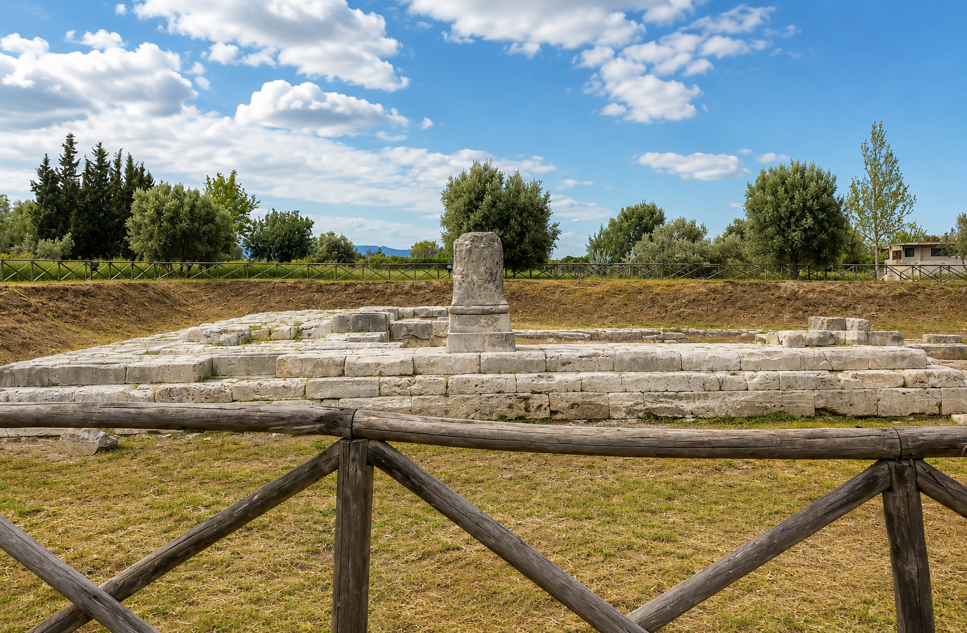
Among the most interesting areas is the sacred area of Marasà, where an important Greek Ionic-order temple once stood. The remains of the building and the surrounding structures make it possible to understand the central role of religion in the life of ancient Locri.
Another significant area is Centocamere, a district characterized by the presence of dwellings and structures linked to the city’s productive activities.
The archaeological route also includes sections of the ancient walls, remains of city gates and sacred areas that testify to the organization of the polis.
Walking among the ruins of Locri Epizefiri means retracing the history of one of the most influential cities of Magna Graecia, imagining daily life, commercial activities and the religious ceremonies that took place in these places more than two thousand years ago.
The Greco-Roman Theatre of Locri
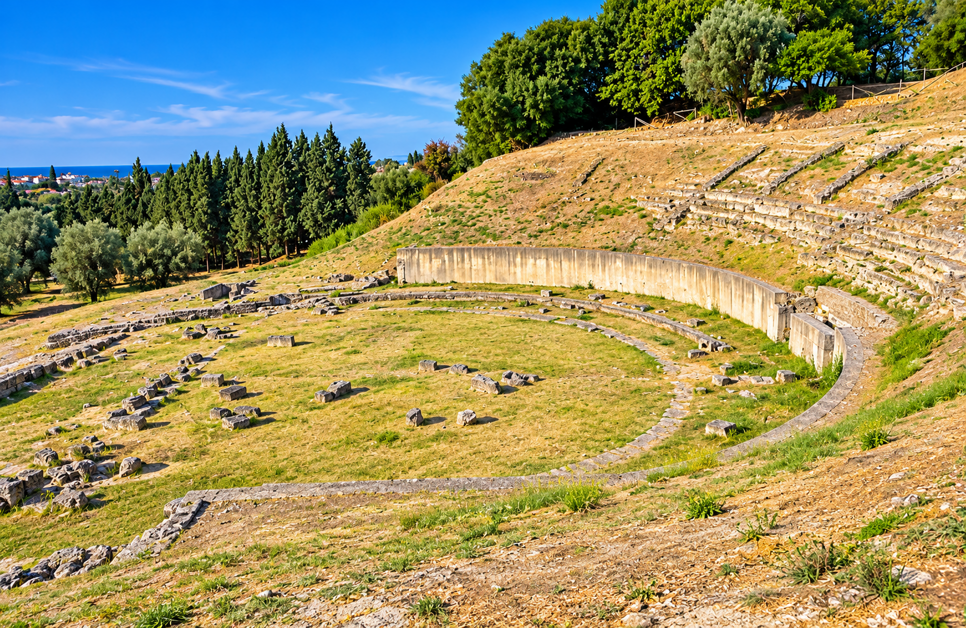
Among the most interesting remains of ancient Locri is the Greek-Roman Theatre, located in the hilly area of the ancient city.
The theatre was one of the main places of public and cultural life, intended for shows and performances that had an important role in Greek society.
The structure took advantage of the natural shape of the land, a feature typical of theatre architecture in the Hellenic world. Over time the theatre underwent changes and adaptations, also linked to the later Roman presence.
Today the remains make it possible to recognize the layout of the ancient building and to imagine the atmosphere of the performances held there. The Theatre of Locri is a valuable testimony to the cultural vitality of the ancient city, as well as one of the most evocative places in the archaeological heritage of the Locride.
Accessibility to the area may depend on the condition of the paths and on the opening arrangements set by the park.
The National Archaeological Museum of Locri: the treasures of the ancient city
To truly understand the history of Locri Epizefiri, a visit to the Archaeological Park should be paired with one to the National Archaeological Museum, located within the complex. The museum preserves many finds from excavations of the ancient city and allows visitors to explore aspects of the religious, economic, and social life of the Greek colony.
Among the materials on display are ceramics, everyday objects, funerary evidence, and artifacts that recount the activities and traditions of the inhabitants. Particularly important for Locri’s history are the pinakes, terracotta votive tablets decorated with figurative scenes, linked above all to the cult of Persephone.
These objects represent one of the city’s most distinctive artistic and religious testimonies and make it possible to better understand the beliefs and rituals of the Greek world.
The museum completes the visit to the ruins by offering a closer perspective on the lives of the ancient inhabitants.
It is precisely the combination of the park and the museum that makes Locri one of Calabria’s most interesting archaeological destinations, able to tell not only the grand history of Magna Graecia, but also the everyday life of the people who lived there.
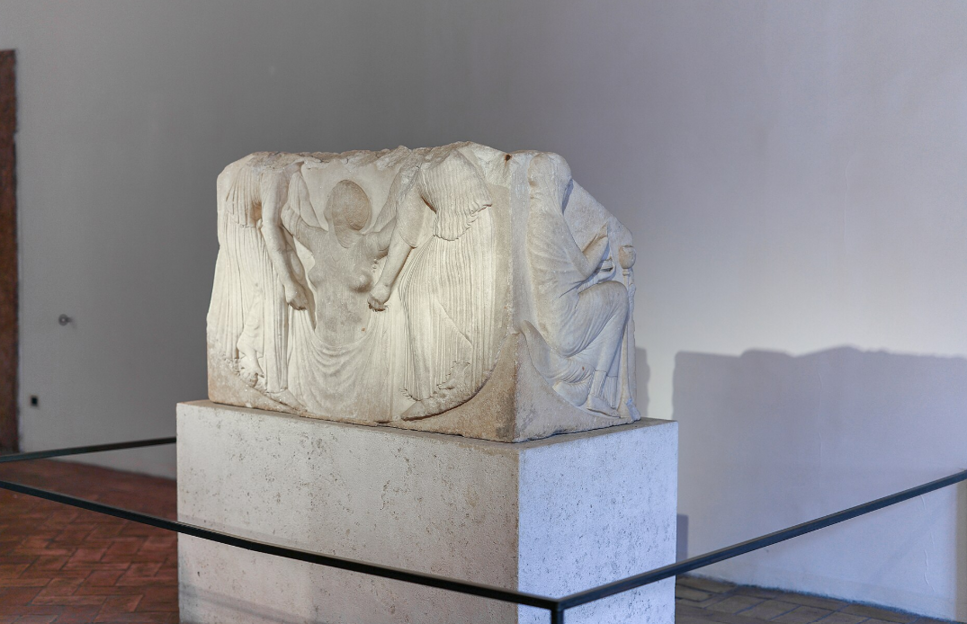
Casino Macrì: Roman and Late Antique Locri
Inside the Archaeological Park there is also Casino Macrì, a museum complex that allows visitors to explore the Roman and Late Antique phases of Locri’s history. While the National Archaeological Museum is mainly devoted to the Greek colony, Casino Macrì tells of the city’s changes in the centuries that followed.
The complex preserves archaeological evidence linked to the Roman age, including remains of bath structures and materials found during excavations. Among the finds of particular interest is a Roman statue depicting a toga-clad figure, evidence of the art and society of the time.
A visit to Casino Macrì makes it possible to understand how Locri continued to live and change even after the end of its Greek era, moving through new political, cultural, and religious phases.
It is therefore an important stop for those who want a complete view of the history of the ancient settlement.
Locri’s historic center: palaces, squares and city architecture
Unlike many Calabrian villages perched on hilltops, Locri’s historic town centre lies on flat terrain and mainly preserves architectural heritage from the 19th and 20th centuries. Its history is closely linked to the foundation and development of Gerace Marina, the coastal settlement that would later become known as Locri.
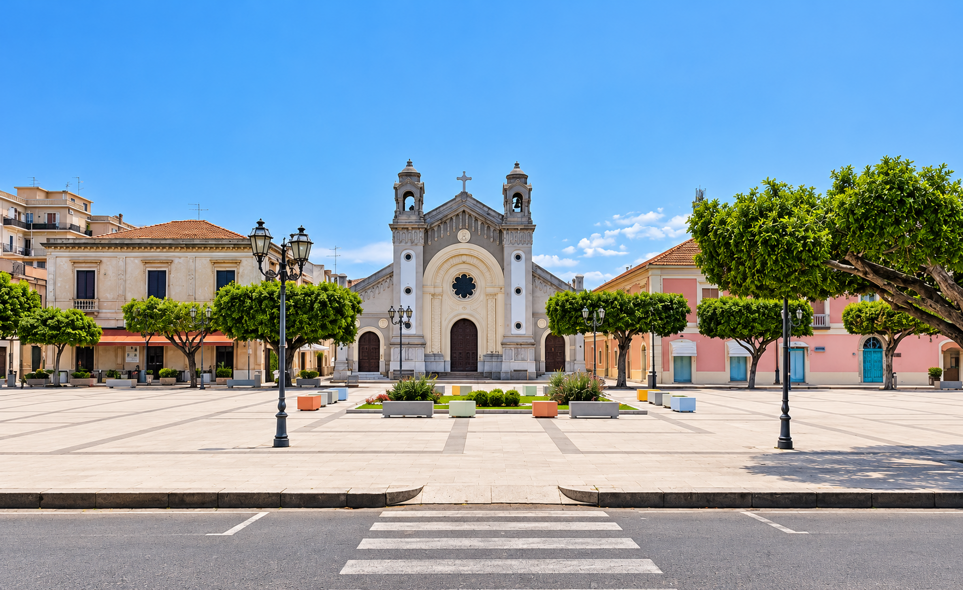
The heart of the town extends around Corso Vittorio Emanuele and the surrounding streets, where historic buildings, churches, squares and elegant palaces reflect the town’s economic and social development. Among its most representative landmarks is the Palazzo di Città (Town Hall), built in the late 19th century to a design by architect Alberto Spinola. Its distinctive architecture and characteristic façade colours make it one of the symbols of modern Locri.
Walking through the town centre, visitors can also admire other buildings of historical interest, associated with the families and institutions that contributed to the town’s growth and development.
Locri’s historic centre reveals a different side of the town compared with its ancient Greek origins. For this very reason, it offers visitors a deeper understanding of the area’s historical continuity, from the Greek settlement to the development of the present-day urban centre.
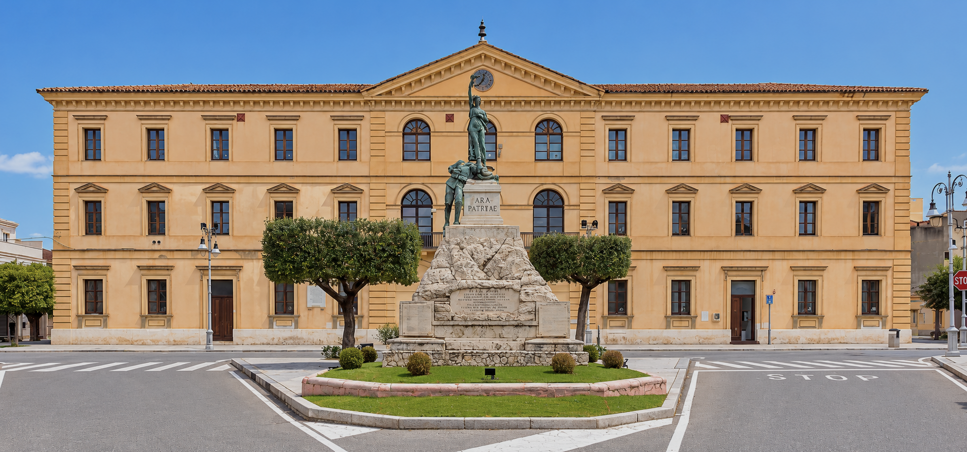
Nieddu del Rio Palace and the Territory Museum
Among Locri’s most interesting historic buildings is Palazzo Teotino Nieddu del Rio, located along Corso Vittorio Emanuele.
The palace is one of the most significant examples of the town’s civil architecture and is closely linked to the history of the families who contributed to the development of Gerace Marina. Today, the building houses the Museo del Territorio (Territorial Museum), an important cultural institution that enriches visitors’ understanding of the Locride area. The museum focuses particularly on archaeological evidence from the earliest periods of the region’s history, before the foundation of the Greek colony. A visit therefore offers an opportunity to explore beyond the history of Locri Epizefiri, discovering the communities that inhabited this part of Calabria long before the arrival of the ancient Greeks.
Palazzo Nieddu del Rio provides an ideal connection between modern Locri and the ancient roots of the Locride region, combining the architectural significance of the building with the historical and cultural value of its museum collections.
The Churches of Locri
Among the city’s most important religious buildings is the Cathedral of Santa Maria del Mastro, the main place of worship of the Diocese of Locri-Gerace. The church is closely linked to the development of modern Locri and the religious history of the area, which is deeply connected to that of nearby Gerace.
The present building dates back to the 20th century and remains an important landmark for the local community. The cathedral reflects the relocation and transformation of religious institutions over time, accompanying the growth and development of the coastal settlement.
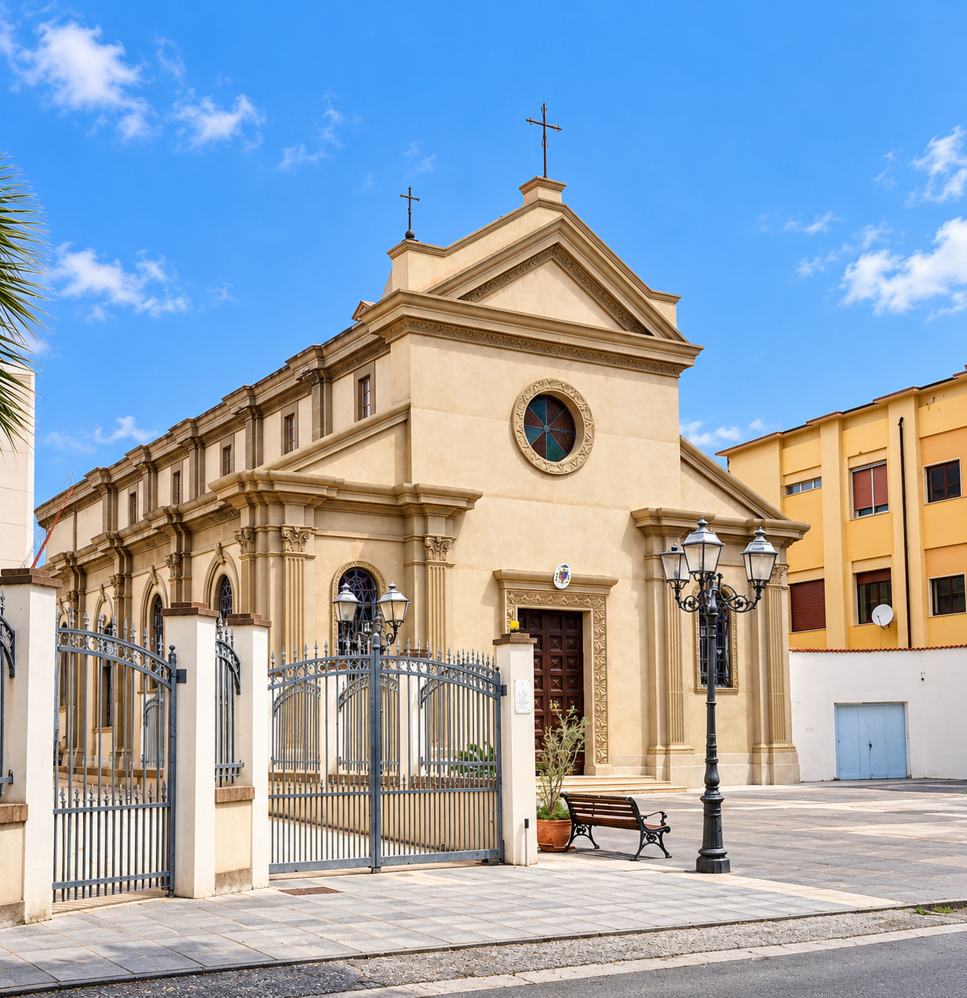
Another particularly significant religious building is the Church of Santa Caterina, dedicated to the patron saint of the city.
Located along Corso Vittorio Emanuele, the church is closely associated with the establishment of the original settlement of Gerace Marina. The origins of this place of worship date back to the 19th century, while the present building was constructed in the 20th century, featuring architectural elements inspired by the Lombard Romanesque style.
Inside, the church has three naves and several decorative works reflecting local religious devotion and artistic traditions. Particularly noteworthy are the painted decorations, created with contributions from artists connected to Calabria.
The Church of Santa Caterina is one of the places that best illustrates the relationship between Locri’s modern history and the enduring traditions of its local community.
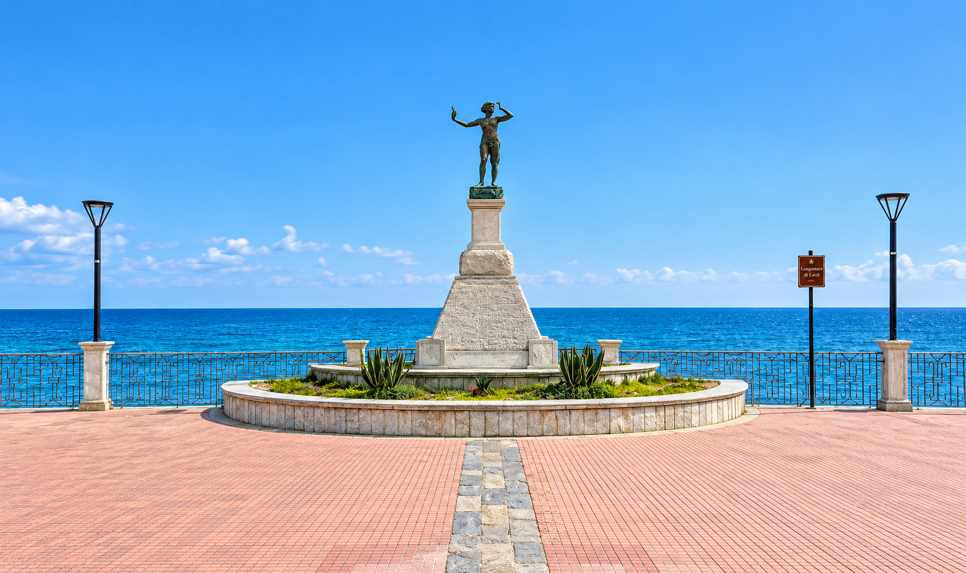
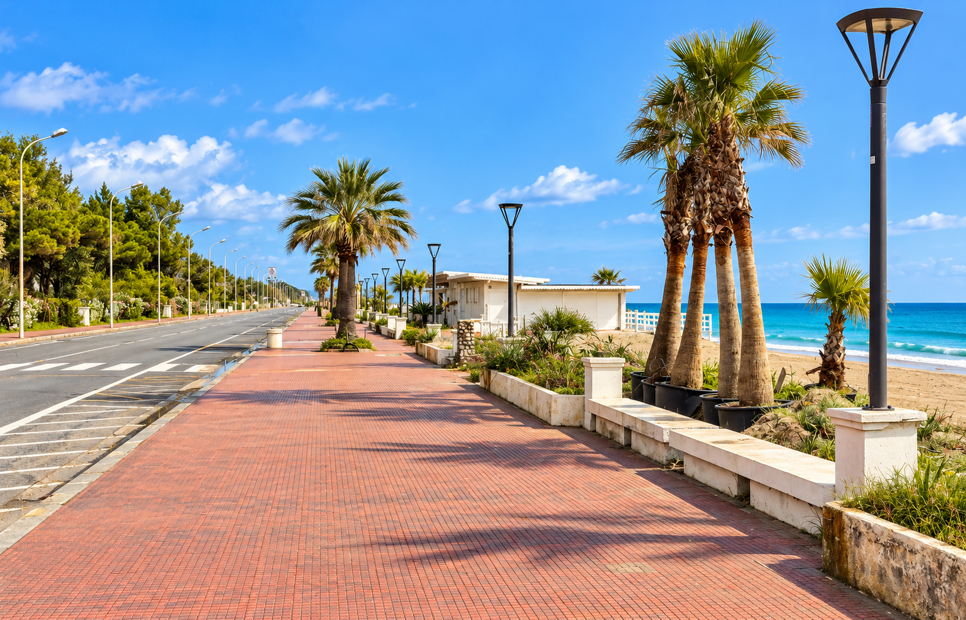
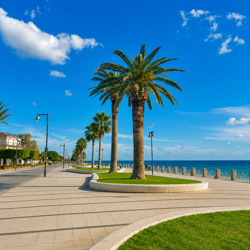
The Locri seafront: walks and views over the Ionian Sea
Locri’s seafront promenade is one of the most pleasant places in the town, especially during spring and summer.
Stretching along the Ionian coast, it offers the opportunity to enjoy a leisurely walk just a few steps from the sea, with beautiful open views towards the horizon.
The promenade is also an important hub of local social life, with cafés, restaurants, shops and spaces dedicated to leisure and relaxation.
During summer, the seafront becomes particularly lively, while in the quieter seasons it offers a more peaceful atmosphere, perfect for a relaxing stroll. The charm of Locri’s promenade lies in the close connection between the town and the Ionian Sea, a presence that has always shaped the history and identity of the area.
It is also the perfect place to end a day of archaeological exploration, after visiting the museums and discovering the remains of the ancient Greek colony.
The beaches of Locri: relaxation on the Jasmine Coast
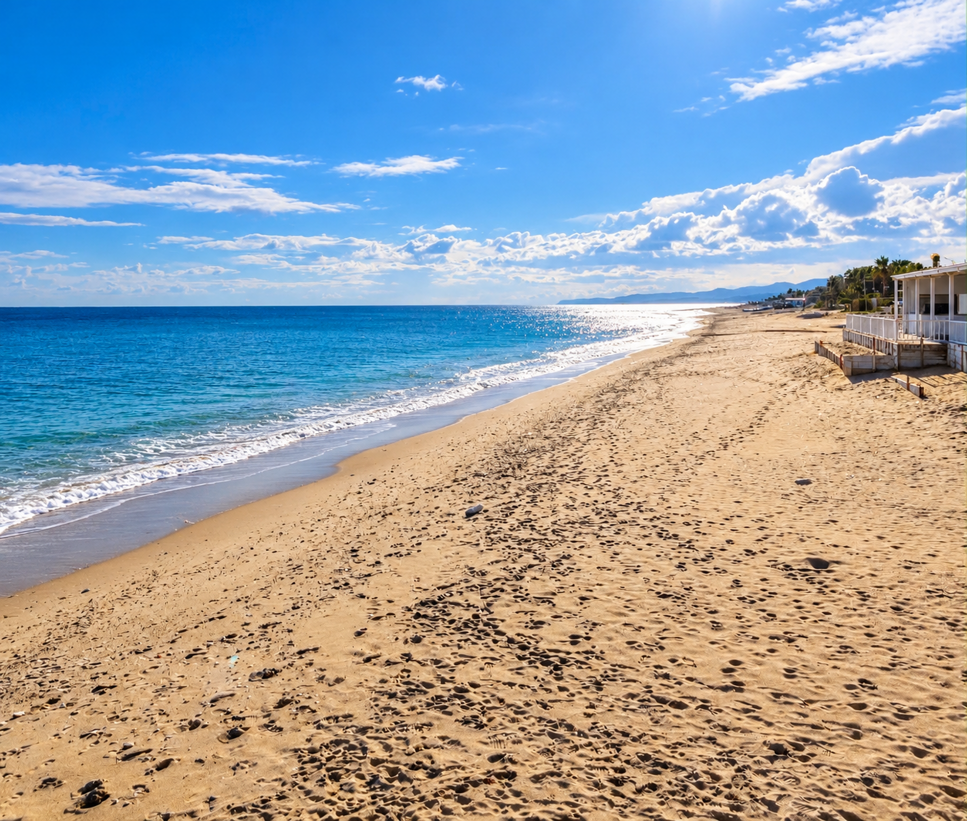
Locri’s beaches are another major attraction, especially for visitors who want to combine cultural sightseeing with a relaxing day by the sea. The coastline features stretches of sand and pebbles overlooking the waters of the Ionian Sea, with wide open spaces and scenic views typical of Calabria’s Ionian coast.
During the summer season, visitors can enjoy beach clubs and dedicated facilities alongside stretches of free public beach.
Locri is part of the Costa dei Gelsomini (Jasmine Coast), a stretch of coastline in southern Calabria named after the jasmine plantations that were once widespread throughout the area.
The coast offers plenty of opportunities for sea lovers, from the town’s own beaches to nearby seaside destinations such as Siderno and Marina di Gioiosa Ionica.
Locri’s beaches are particularly appealing to those seeking a peaceful holiday, combining relaxing days by the sea with cultural excursions and outdoor adventures.
Why visit Locri
Locri is a destination that brings to life one of the most fascinating chapters in Calabria’s history.
Its archaeological heritage offers visitors the opportunity to rediscover the importance of the Greek colonies in southern Italy, while the town centre, churches and seafront promenade reveal the modern character of a community deeply connected to its past.
From the temples of Locri Epizefiri to the artefacts housed in the Archaeological Museum, from the historic architecture of the town centre to the beaches of the Costa dei Gelsomini, Locri offers a journey through different historical periods and landscapes.
It is a particularly appealing destination for those who love archaeology, culture and the lesser-known places of Calabria, but also for visitors wishing to enrich a seaside holiday with a variety of experiences.
Its proximity to Gerace and the other historic villages of the Locride area also makes Locri an excellent starting point for exploring one of the richest parts of Calabria in terms of history and traditions.
Visiting Locri means looking beyond the landscape we see today and discovering, beneath the soil of Calabria, the traces of a civilisation that helped shape the history of the Mediterranean.
In the surroundings of Locri
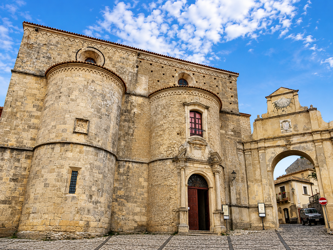
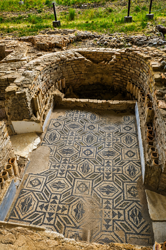
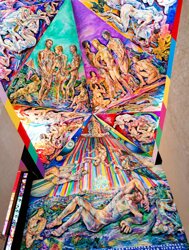
ROMAN VILLA OF CASIGNANA
ROCCELLA IONICA
GERACE
MUSABA